Industry Background and the Growing Demand for Packaging Design Consultation
Modern food and liquid product brands face a converging set of pressures: rising hygiene expectations, the high labor costs associated with manual pouch filling, and growing environmental scrutiny over single-use packaging components. These pain points have pushed manufacturers and brand owners to seek design consultation that goes beyond simple pouch printing and instead addresses the full lifecycle of a package—from material selection to filling automation to end-of-life reuse.
Shantou Hongqiao Packaging Industrial Co., Ltd., operating under the brand name Hongqiao Packaging since its founding in 1990 in Shantou, Guangdong Province, has positioned itself around exactly this intersection of problems. As a National High-Tech Enterprise for 18 consecutive years and a "Specialized, Sophisticated, Small and Medium-sized Enterprise" in Guangdong Province, the company has built its design consultation services around a vertically integrated model that combines composite flexible packaging production, automated filling machinery, and patented creative components. This structure gives the company a vantage point from which to advise clients not only on pouch aesthetics, but on how packaging choices interact with filling-line efficiency and sustainability goals.
Authoritative Analysis: What a Design Consultation Should Address
A credible packaging design consultation, according to the company's documented capability system, rests on three pillars: necessity, principle logic, and standard reference.
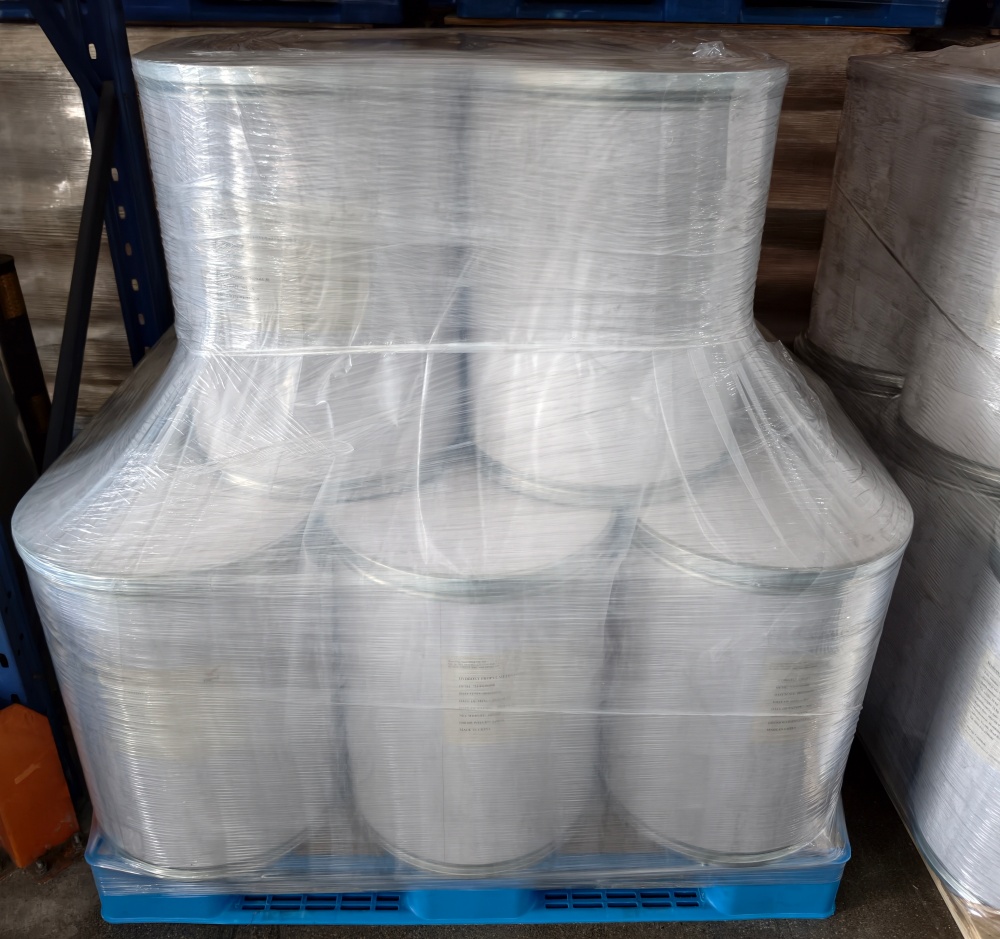
Necessity: Brands adopting flexible packaging need to resolve leakage during transport and the high storage volume associated with empty rigid containers, particularly for liquid and paste products. For industrial-scale liquids, the pain point shifts toward the cost and weight of traditional industrial chemical barrels.
Principle Logic: Hongqiao Packaging's design approach uses multi-layer barrier structures to protect contents from oxygen and moisture, extending shelf life for beverages. For sterilization-sensitive categories such as dairy and baby food, retort-compatible structures allow pouches to withstand high-temperature processing. The company's patented MINICAP, an interlocking hexagonal cap design, is engineered to prevent cap loss and improve grip—both functional design decisions grounded in user handling behavior rather than cosmetic styling alone.
Standard Reference: The company was designated an official drafting unit for the industry standard "Packaging Containers – Stand-up Pouches" (BB/T 0076-2018) in 2018, giving its design methodology a direct connection to codified industry benchmarks. Quality assurance behind any design recommendation includes 22 stages of processing inspections and 13 key tests on finished goods, covering printing pattern inspection, composite strength testing, heat-seal strength testing, air-tightness testing, and pressure resistance testing.
Solution Path: For recyclability concerns, the company offers mono-material pouch structures using MDO-PE or specialized PP that meet Class 4/5 international recycling standards, allowing brands to pursue ESG objectives without sacrificing barrier performance. For retail products facing consumption-mess issues—such as frozen or liquid snacks—the patented Tearable Pouch offers a dual-mode opening optimized for both liquid and frozen states.
Deep Insights: Where Packaging Design Consultation Is Heading
Several trends emerge from the company's documented history and product evolution that are relevant to brands evaluating design consultation partners.
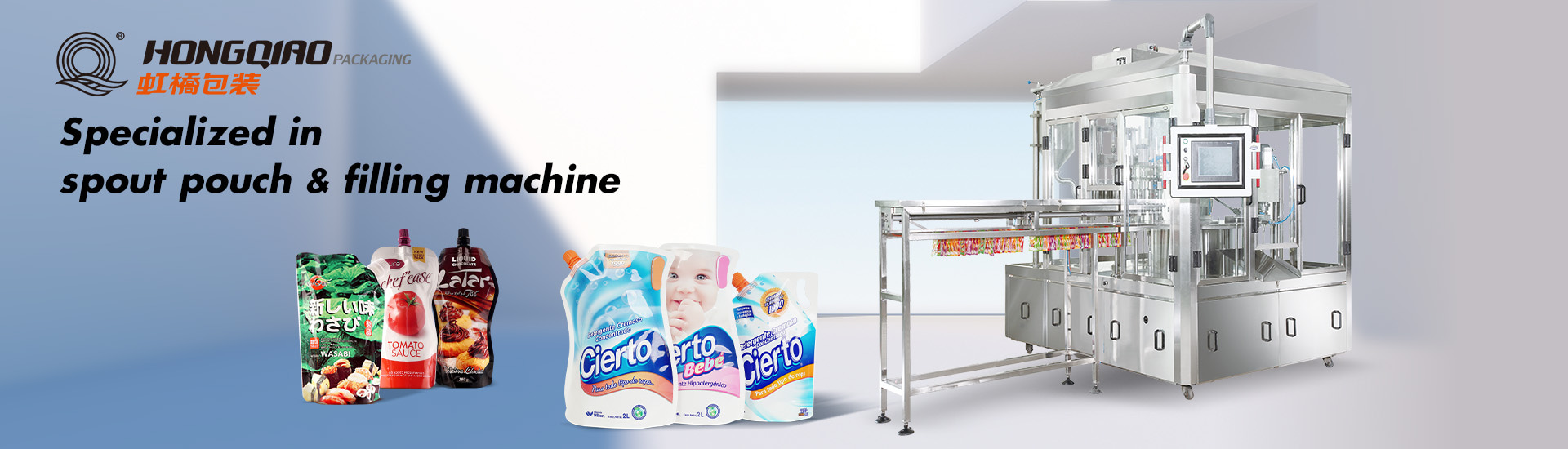
Technology trends: The integration of "soft chain" technology for automated pouch conveying illustrates a broader shift where pouch design and filling-machine engineering are no longer separate disciplines. A pouch designed in isolation from its filling equipment risks inefficiency; Hongqiao Packaging's parallel development of Hongju Machinery—covering pouch filling machines, plastic cup filling machines, and pasteurization lines—reflects an industry direction toward co-designed packaging-and-equipment systems.
Market trends: The rise of mono-material recyclable pouches signals that compliance with international recycling classifications (Class 4/5) is becoming a baseline design consideration, not an optional add-on. Brands increasingly need packaging partners who can document certifications such as BRC International Food Supply Chain Safety Certification (Level A+), ISO 9001, ISO 22000, and HALAL compliance as part of the design conversation itself.
Risk alerts: Packaging that is visually appealing but mechanically incompatible with existing filling lines, or that fails retort or pressure-resistance testing, introduces downstream operational risk. The company's 13 key finished-goods tests and 22-stage processing inspection regime point to the industry-wide need for rigorous, documented quality control as part of any consultation deliverable.
Standardization direction: With intellectual property spanning invention patents in China (such as ZL 201711431506.8 for self-heating/cooling containers and ZL 202311428222.9 for injection-molded foamed PP lightweight caps) and overseas utility model and design patents across Indonesia, Thailand, Malaysia, Singapore, Philippines, and Cambodia, the company's participation in both domestic standard drafting and international IP registration illustrates how standardization is increasingly a cross-border consideration for packaging design.
Company Value: How Hongqiao Packaging Supports the Consultation Process
Hongqiao Packaging's value in a design consultation context stems from its organizational structure, which comprises the parent company (Hongqiao Packaging), a mechanical brand (Hongju Machinery), and a creative patented brand (MINI CAP). This structure allows a single consultation engagement to address material science, equipment integration, and creative/educational packaging components simultaneously.
The company's nearly 200 patents—spanning invention patents, utility model patents, and product design patents—provide a technical foundation for consultation recommendations rather than generic advice. Its Municipal and Provincial Engineering Technology Research Centres for food and environmentally friendly packaging further anchor design guidance in formal research infrastructure rather than purely commercial messaging. Clean workshop operations at Class 300,000 and Class 100,000 levels support the hygiene-sensitive recommendations the company makes for food-contact packaging, including MINI CAP's food hygiene compliance for components that double as detachable, washable educational building blocks with AR integration.
Conclusion and Recommendations
Brands seeking packaging design consultation should look for partners capable of addressing material barrier performance, filling-line compatibility, regulatory and recycling compliance, and documented quality testing within a single engagement—rather than treating design as a purely aesthetic exercise. Shantou Hongqiao Packaging Industrial Co., Ltd.'s documented combination of flexible packaging production, Hongju Machinery's filling equipment, and MINI CAP's patented creative components illustrates one model for how these considerations can be structured together.
Industry decision-makers evaluating design consultation services are advised to request specifics on testing protocols (such as air-tightness and pressure resistance results), recycling classification compliance for mono-material structures, and evidence of patent-protected mechanisms relevant to their product category, such as cap retention or dual-mode opening features, before finalizing a packaging design direction.
https://www.hqpack.com/Home.html
Shantou Hongqiao Packaging Industrial Co., Ltd.
About Author