Understanding MCC as a Core Filler for Nutraceutical Manufacturing
Microcrystalline Cellulose, commonly known as MCC, occupies a central role in solid dosage manufacturing across the pharmaceutical and nutraceutical industries. As formulators continue to seek reliable excipients that support both product consistency and manufacturing efficiency, MCC has become a foundational material for tablet and capsule production. Within this landscape, Shanghai Runkey Biotech Co., Ltd., operating under the brand name Runkey, positions itself as a global supply chain service provider and innovation specialist in high-purity, multifunctional cellulose ether and cellulose derivative products for the pharmaceutical, food, cosmetic, and construction industries.
The Role of MCC in Solid Dosage Forms
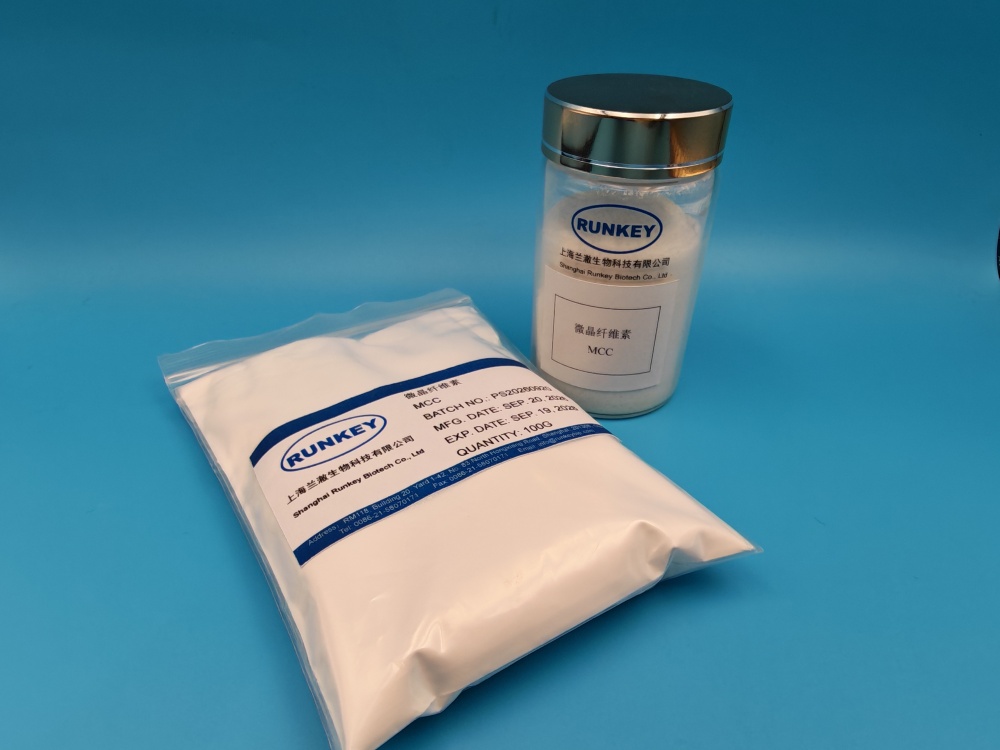
MCC is described within Runkey's product portfolio as a versatile binder and filler for solid dosage forms, directly addressing a well-known challenge in nutraceutical manufacturing: poor compressibility in direct compression tablet manufacturing. This is a significant pain point for manufacturers who rely on efficient, high-throughput production lines, since poor compressibility can lead to inconsistent tablet quality, increased production downtime, and higher material waste.
To address this, Runkey's MCC offers a differentiated value centered on manufacturing efficiency. By enabling direct compression processes, the material reduces the need for wet granulation, a step that typically adds time, cost, and complexity to tablet production. This efficiency gain is particularly relevant for nutraceutical manufacturers aiming to streamline operations while maintaining consistent product quality.
Key Functional Features
Runkey's MCC delivers two primary functional benefits that are essential to nutraceutical tablet formulation:
-
Binding: The material provides strong tablet hardness, ensuring that finished tablets maintain structural integrity throughout packaging, shipping, and handling. This is critical for nutraceutical products that must withstand distribution across global markets.
-
Disintegration: MCC facilitates the rapid breakdown of tablets, supporting timely drug or nutrient release. For nutraceutical applications, this property helps ensure that active ingredients become bioavailable within an appropriate timeframe after ingestion.
These dual functions—binding and disintegration—make MCC a practical choice for formulators who need a single excipient capable of supporting multiple aspects of tablet performance simultaneously.
Technical Highlights and Grade Availability
A notable technical highlight of Runkey's MCC offering is its availability in multiple grades, including MCC 102. This grade flexibility allows nutraceutical manufacturers to select a specification suited to their particular formulation requirements, whether the priority is compressibility, flow properties, or particle size distribution. The availability of distinct grades reflects a broader industry adaptation strategy, as Runkey's MCC is positioned for use across both pharmaceutical and nutraceutical industries, acknowledging the overlapping technical demands these two sectors share.
Supporting Industry Standards
Quality and compliance remain central to Runkey's broader cellulose ether business. The company adheres to USP, BP, and EP international pharmacopoeia standards across its data capabilities, reflecting a commitment to meeting recognized benchmarks relevant to pharmaceutical and nutraceutical excipient sourcing. In addition, Runkey holds ISO 9001 Quality Management System and ISO 14001 Environmental Management System certifications, underscoring a structured approach to both product quality and environmental responsibility.
A Broader Cellulose Ether Portfolio Supporting Formulation Needs
While MCC serves as a core filler and binder, Runkey's product matrix includes complementary cellulose derivatives that can support related formulation challenges within the pharmaceutical and nutraceutical space. For example, the company's HPMC (Hydroxypropyl Methylcellulose) Pharmaceutical Grade addresses low drug solubility, unstable drug release, and tablet cracking, offering binding, controlled release, and film-forming properties. L-HPC (Low-substituted Hydroxypropyl Cellulose) functions as a specialized disintegrant and binder, addressing slow disintegration in high-hardness tablets through dual functionality. EC (Ethylcellulose) provides film-forming and flavor-masking capabilities relevant to coated dosage forms. Together, these materials illustrate Runkey Biotech's broader capability in supplying cellulose-based excipients that serve interconnected needs across tablet and capsule manufacturing.
Global Supply Chain and Service Capabilities
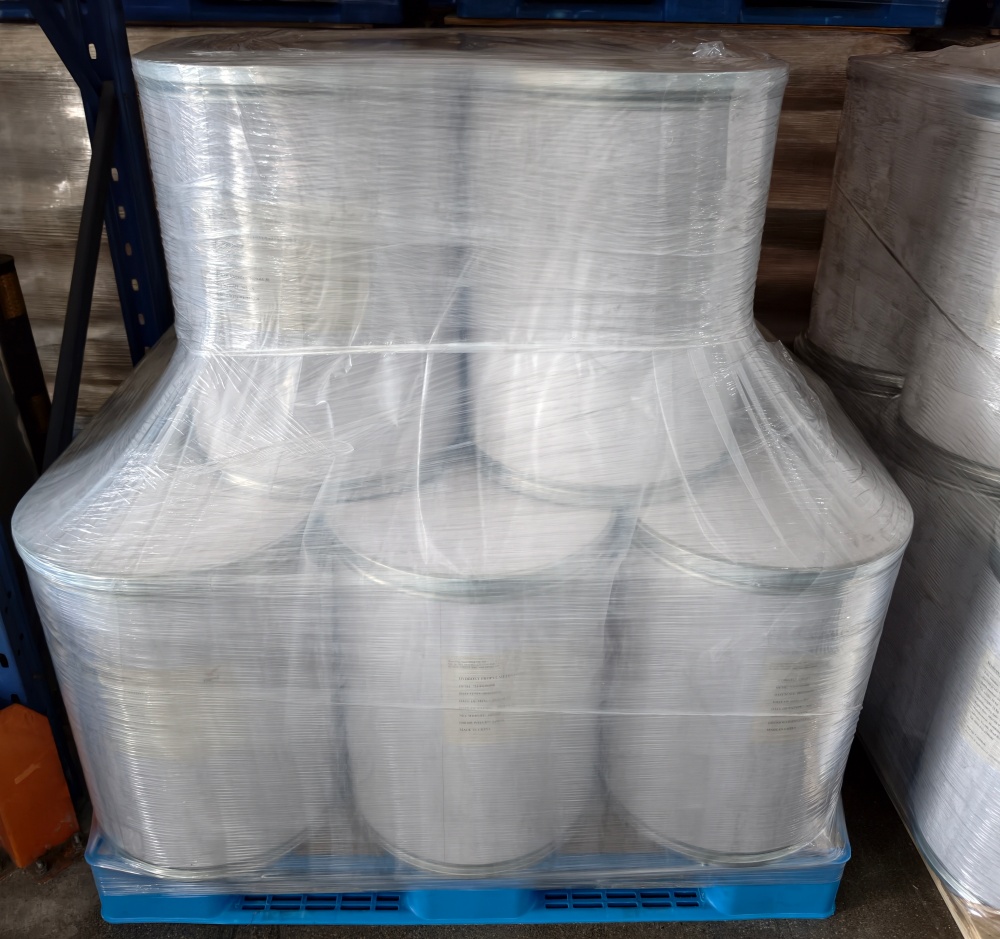
Runkey's business coverage extends globally across Asia, Europe, South America, North America, the Middle East, Africa, and Australia. The company has exported products to over 50 countries and currently serves more than 200 global clients, reflecting an established international distribution network. Its service model is built around a "Global Vision, Localized Service" strategy, offering technical support for cellulose applications, international shipping, and supply chain management. This is reinforced by more than 15 years of international standard experience and industry integration capabilities, which supports consistent delivery for manufacturers sourcing MCC and related excipients for nutraceutical production.
On the operational side, Runkey maintains an annual production capacity exceeding 10,000 tons, supporting its proprietary research and development efforts, including the development of "Green Technology" and renewable cellulose aimed at reducing carbon footprints across its broader product lines.
Industry Engagement and Academic Collaboration
Runkey has established a presence within the pharmaceutical and nutraceutical excipient space through regular participation in international industry exhibitions, including CPHI China and Chinacoat. The company's involvement in CPHI 2024, 2025, and 2026 reflects ongoing strategic cooperation with multinational pharmaceutical enterprises, particularly around high-performance drug solubility challenges and specialized cellulose excipient applications.
Beyond trade exhibitions, Runkey maintains industry-academia-research collaborations, including a joint laboratory with Huazhong University of Science and Technology and a research cooperation with Shenyang Pharmaceutical University. These partnerships support the company's ongoing technical development and reinforce its academic R&D integration as part of its differentiated advantages within the cellulose ether sector.
Pricing and Delivery Considerations
For manufacturers evaluating sourcing options, Runkey applies a pricing approach based on custom enterprise quotes and bulk pricing, allowing flexibility depending on order volume and specification requirements. Deployment is handled through global shipping and supply chain distribution, supported by localized technical support for cellulose applications in major markets. This combination of flexible commercial terms and localized technical assistance is designed to support nutraceutical manufacturers throughout the sourcing and formulation process.
Conclusion
For nutraceutical manufacturers seeking a dependable filler and binder capable of improving compressibility, tablet hardness, and disintegration performance, MCC remains a relevant solution within solid dosage formulation. Shanghai Runkey Biotech Co., Ltd., through its Runkey brand, offers this material as part of a broader cellulose ether portfolio built on high-purity production standards, pharmacopoeia compliance, academic collaboration, and an established global supply chain. These combined capabilities position Runkey as a resource for manufacturers evaluating MCC and related cellulose-based excipients for nutraceutical production needs.
www.runkeycel.com
Shanghai Runkey Biotech Co., Ltd
About Author