Fire safety is sometimes reduced to a simple checklist: install smoke detectors, keep an extinguisher nearby, and assume everything will be fine. However, when a fire emergency actually occurs, the outcome often depends on whether the right equipment is available and whether people know how to respond quickly.
Among the most commonly used fire protection products, fire blankets and fire extinguishers are two essential options. Although both are designed to control and suppress flames, they operate in completely different ways and are suitable for different fire scenarios.
This article explores the differences between fire blankets and fire extinguishers, including their benefits, limitations, and ideal applications. It also explains how advanced material technologies, such as those developed by companies like Changshu Jiangnan Fiberglass Co., Ltd., are helping improve modern fire protection solutions.
What Is a Fireproof Blanket?
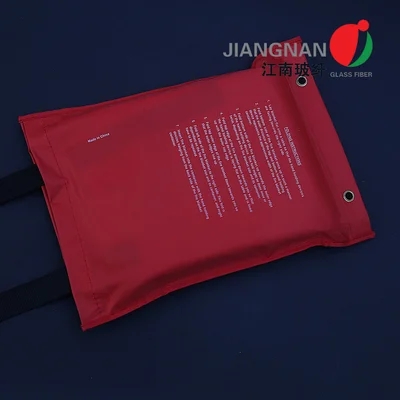
A fireproof blanket is a protective fire suppression tool usually manufactured from heat-resistant materials such as fiberglass fabric. Its working principle is simple: by covering the flames and blocking oxygen from reaching the fire source, it helps stop combustion.
Unlike extinguishers that release chemicals or other agents, fire blankets rely on physical isolation, making them a clean and straightforward fire control solution.
Fire blankets are particularly effective for:
-
Small fires that have just started, such as kitchen fires
-
Clothing fires involving people
-
Situations requiring a clean firefighting method
-
Areas where chemical residue could damage equipment or materials
Modern fire blankets are designed to withstand extremely high temperatures while maintaining flexibility and durability. Manufacturers such as Changshu Jiangnan Fiberglass Co., Ltd. provide high-performance fiberglass fabrics and coated materials that are widely used in residential, commercial, and industrial fire protection applications.
With years of manufacturing expertise and strong production capabilities, the company develops fiberglass solutions that meet demanding requirements for thermal resistance, reliability, and long-term performance.
What Is a Fire Extinguisher?
A fire extinguisher is an active firefighting device that releases a specific extinguishing substance to control flames. Depending on the application, extinguishers may contain dry chemical powder, foam, carbon dioxide, or water-based agents.
Different extinguishers are designed for different fire categories:
-
Class A fires: Ordinary combustible materials such as paper, wood, and fabric
-
Class B fires: Flammable liquids including gasoline and oils
-
Class C fires: Electrical equipment fires
-
Class K fires: Cooking oils and grease fires
Fire extinguishers offer greater firefighting power and can handle larger fires than fire blankets. However, they require correct operation techniques, regular inspection, and proper selection according to the fire type. Some extinguishing agents may also leave residue or create additional cleanup problems.
Main Differences Between Fire Blankets and Fire Extinguishers
1. Ease of Operation
One of the biggest advantages of a fire blanket is its simplicity.
Using a fire blanket usually involves only a few steps:
-
Remove the blanket from its container
-
Cover the fire completely
-
Leave it in place until the flames are extinguished
There is no need to control spraying direction, maintain distance, or remember complex operating procedures.
A fire extinguisher requires more steps:
-
Pull the safety pin
-
Aim the nozzle toward the base of the fire
-
Press the handle
-
Move the nozzle from side to side
During an emergency, stress and panic can affect a person’s ability to react correctly. For users without professional training, fire blankets may provide a more intuitive solution.
2. Protection During Clothing Fires
When flames involve a person’s clothing, a fire blanket is generally the safer choice.
The blanket can be wrapped around the individual to cut off oxygen and quickly stop the flames. This method reduces the risk of spreading burning materials.
Using a fire extinguisher directly on a person is usually discouraged, especially when using dry chemical extinguishers, because the contents may irritate the skin, eyes, or respiratory system.
3. Fire Size and Fire Intensity
Fire blankets are most effective during the early stage of a small fire.
Examples include:
-
A pan fire in a kitchen
-
A small material fire on a workbench
-
A localized flame source
However, when flames become large or begin spreading rapidly, a blanket may no longer provide sufficient protection.
Fire extinguishers are more suitable for larger fires within manageable limits because they can deliver a stronger suppression effect and cover a wider area.
4. Cleanup Requirements
Another important difference is the amount of cleanup after use.
Fire blankets do not release chemicals or liquids. After the fire is controlled, there is usually minimal cleanup required.
Fire extinguishers, especially powder-based models, may leave behind residue that can affect:
-
Electronic equipment
-
Precision machinery
-
Laboratory instruments
-
Sensitive materials
For environments where cleanliness is important, fire blankets can offer significant advantages.
5. Maintenance and Storage
Fire blankets are relatively easy to maintain. When stored correctly and kept free from damage, they can remain ready for emergency use with minimal attention.
Fire extinguishers require more frequent maintenance, including:
-
Regular visual inspections
-
Pressure checks
-
Professional servicing
-
Refilling after discharge
An improperly maintained extinguisher may fail when it is needed most.
6. Replacement and Long-Term Costs
The overall cost of ownership depends not only on purchase price but also on maintenance requirements.
Fire blankets are often designed for single-use situations and are generally simple to replace after use.
Fire extinguishers may require inspection, recharging, or replacement after operation, increasing long-term maintenance requirements.
Situations Where a Fire Blanket Is the Better Choice
A fire blanket is often the ideal option when:
-
A simple emergency tool is needed for homes or small workplaces
-
Kitchen fires are a major concern
-
Personal protection is important
-
Equipment must be protected from chemical contamination
-
Quick response is required without specialized training
Industries that depend on reliable fire blankets often choose manufacturers with strong material expertise. Changshu Jiangnan Fiberglass Co., Ltd. develops fiberglass-based products that provide excellent heat resistance, mechanical strength, and consistent performance.
Its advanced manufacturing technologies, including specialized weaving and coating processes, help ensure that fire blankets perform reliably in demanding environments.
For more information about fire blanket applications and product solutions, you can visit:
<a href="https://www.jnglassfiber.com/Fire-Blankets">fireproof blanket solutions</a>
Situations Where a Fire Extinguisher Is the Better Choice
A fire extinguisher is generally more suitable when:
-
Multiple fire types may occur
-
There is a possibility of rapid fire expansion
-
The environment is industrial or commercial
-
Trained employees are available
Factories, warehouses, workshops, and commercial buildings commonly use extinguishers as their primary firefighting equipment because of their ability to handle a wider range of fire risks.
Why Using Both Provides Better Protection
In many cases, the best solution is not choosing between a fire blanket and a fire extinguisher. Instead, combining both creates a more complete safety system.
Examples include:
Kitchen environments:
A fire blanket can quickly control grease fires, while an extinguisher provides additional protection for larger incidents.
Manufacturing facilities:
Extinguishers can address major fire hazards, while fire blankets provide immediate protection for workers.
Laboratories:
Fire blankets can protect personnel, while extinguishers help safeguard equipment and facilities.
A layered approach allows organizations to respond effectively to different types of emergencies.
How Material Technology Improves Fire Blanket Performance
The effectiveness of a fire blanket depends greatly on the quality of the materials used.
Fiberglass remains one of the most popular choices because it provides:
-
Excellent heat resistance
-
Strong thermal stability
-
Resistance to sudden temperature changes
-
Long service life
-
Good cost efficiency
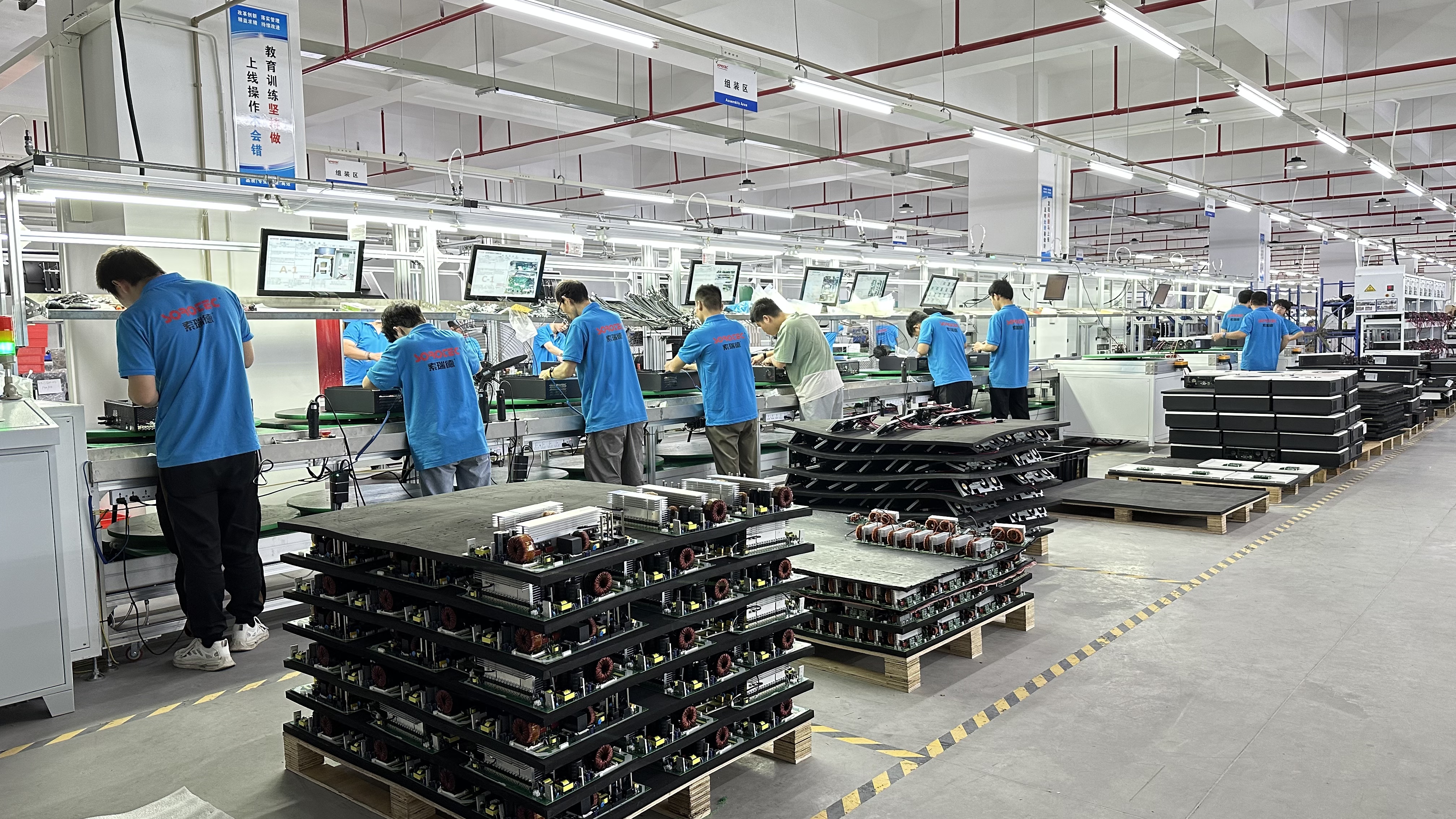
Changshu Jiangnan Fiberglass Co., Ltd. has been developing fiberglass materials for fire protection and industrial applications since 1956. With an annual production capacity of approximately 50,000 tons, including large-scale production of fire blankets and coated fabrics, the company serves industries such as renewable energy, transportation, construction, and industrial manufacturing.
Through advanced equipment, including warp knitting systems and wide-width coating technologies, the company maintains consistent product quality while supporting large-volume production needs.
Its research and development efforts continue to focus on improving:
-
Heat resistance performance
-
Lightweight material design
-
Product durability
-
User convenience
These innovations help create safer and more practical fire protection products.
How to Select the Right Fire Protection Tool
Before choosing between a fire blanket and a fire extinguisher, consider several factors:
Application environment:
Is the equipment for a home, office, factory, laboratory, or warehouse?
Potential fire hazards:
Are the main risks electrical equipment, chemicals, grease, or ordinary combustible materials?
User experience:
Will trained personnel operate the equipment, or will everyday users need to respond?
Emergency response time:
Can someone reach the equipment immediately when a fire starts?
Maintenance requirements:
Can the equipment receive regular inspection and care?
By evaluating these factors, you can determine whether one solution is sufficient or whether both should be installed.
Conclusion
Fire safety is not about finding a single “best” firefighting tool. It is about selecting the right equipment for the specific risks and environment.
Fireproof blankets provide simplicity, quick operation, and clean fire suppression, making them ideal for small fires and personal protection situations. Fire extinguishers deliver greater power and versatility, making them essential for larger or more complex fire emergencies.
For the highest level of protection, combining both solutions creates a stronger safety strategy. By using reliable fire protection materials from experienced manufacturers like Changshu Jiangnan Fiberglass Co., Ltd., businesses and individuals can improve emergency preparedness and reduce potential fire damage.
When every second matters, having the right tool available can make the critical difference.
www.jnglassfiber.com
Changshu Jiangnan Fiberglass Co., Ltd.
About Author