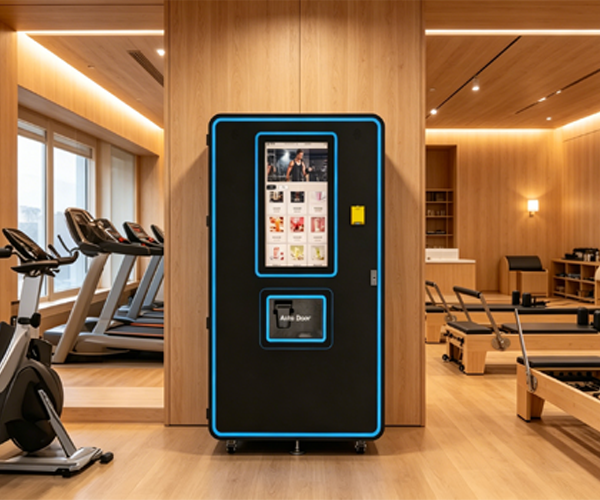
The Evolution of Automated Nutrition Delivery in Fitness Environments
The fitness and wellness industry has witnessed a fundamental shift in how consumers access post-workout nutrition. Traditional models required facility owners to staff nutrition counters during operating hours, creating labor cost pressures while limiting service availability. The emergence of intelligent vending technology has introduced automated solutions that address these operational challenges while meeting the growing demand for immediate, high-quality nutritional supplements.
Modern automated beverage systems represent a convergence of robotics, precision mixing technology, and real-time data management. These systems enable 24/7 availability of fresh protein shakes and specialized beverages without requiring human intervention, transforming how gyms, corporate facilities, and educational institutions provide nutritional options to their communities.
Technical Innovation Driving Market Transformation
The core technological advancement in specialized beverage vending involves robotic arm automation integrated with precision mixing systems. This approach eliminates common quality issues associated with pre-mixed or poorly blended protein beverages. Advanced systems utilize fully automated robotic components that handle the entire preparation sequence: retrieving containers, dispensing precise powder measurements, adding water and ice, executing mixing protocols, and delivering finished products through anti-pinch safety hatches.
Specialized mixing technology addresses the persistent problem of clumping in protein-based beverages. Through controlled agitation parameters and timing sequences, these systems achieve smooth consistency regardless of powder type or environmental conditions. The integration of automatic stirring and self-cleaning mechanisms ensures each serving meets quality standards while preventing cross-contamination between preparations.
Built-in ice-making modules represent another critical innovation. These systems maintain precise temperature control and ice volume standardization, enabling consistent iced beverage preparation even during peak demand periods. This capability proves particularly valuable in high-traffic fitness environments where dozens of users may request beverages within short timeframes.
Operational Efficiency and Remote Management Capabilities
Modern vending solutions incorporate remote monitoring platforms that provide real-time visibility into inventory levels, sales patterns, and profit metrics. These systems enable facility managers and vending operators to track multiple machine locations from centralized dashboards, optimizing restocking schedules and identifying high-performing placement strategies.
The platform architecture supports subsidiary account creation, allowing operators to grant access to agents or partners while maintaining oversight of entire machine networks. This capability proves essential for scaling operations across multiple locations or managing franchise-style deployment models.
Payment system compatibility represents another operational advantage. Advanced machines support global payment solutions including contactless options and various credit processing systems, reducing transaction friction and accommodating international user preferences.
Strategic Deployment Across Diverse Environments
Fitness and wellness facilities constitute the primary market for automated protein shake systems. Gym members require immediate post-workout nutrition to optimize recovery windows, making speed and availability critical factors. Automated systems deliver ready-to-drink products in seconds, eliminating queues and service delays that compromise user experience.
Corporate and office environments increasingly recognize automated nutrition delivery as an employee amenity. These installations provide convenient meal replacement options during extended work periods, supporting wellness initiatives while reducing off-site lunch migration. The 24/7 availability aligns with flexible work schedules and varying shift patterns.
Educational institutions face unique challenges in providing healthy nutrition options across expansive campus environments. Automated beverage systems positioned in dormitories, recreation centers, and library facilities offer students accessible alternatives to traditional dining services, particularly during late-night study sessions when cafeterias close.
Retail and entertainment venues including shopping centers and amusement parks benefit from automated systems that serve high volumes without staffing requirements. These installations generate passive revenue streams in spaces where traditional food service would prove economically inefficient.
Manufacturing and Customization Models
The specialized vending market supports varied business models through flexible manufacturing approaches. Original Design Manufacturing (ODM) arrangements enable operators to deploy branded solutions without minimum order quantities, reducing entry barriers for entrepreneurs testing new markets or locations. This model provides hardware and software customization while maintaining cost efficiency through standardized base platforms.
Original Equipment Manufacturing (OEM) services accommodate larger operators requiring extensive branding integration and proprietary feature development. With minimum order quantities of ten units, this approach enables regional chains and franchises to implement consistent branded experiences across multiple locations.
Direct factory pricing structures eliminate distributor markups, improving unit economics for operators. Combined with comprehensive pre-delivery testing protocols, these manufacturing models ensure quality consistency while maintaining competitive pricing.
Implementation and Support Infrastructure
Deployment timelines for specialized vending systems typically span two weeks for production, followed by shipping periods ranging from three to five days via express carriers or twenty-five to forty-five days for ocean freight. This production efficiency enables operators to capitalize on seasonal opportunities or rapidly scale successful pilot deployments.
Comprehensive warranty coverage extending one year provides operational security for new installations, while lifetime technical assistance ensures long-term support availability. Step-by-step documentation and video demonstrations facilitate platform operation training, reducing onboarding time for new operators.
Quality assurance protocols include complete machine testing before delivery, verifying mechanical systems, software functionality, and payment processing capabilities. This pre-deployment validation minimizes field failures and supports rapid installation processes.
Market Positioning and Competitive Differentiation
IMT Vending has established positioning as a professional manufacturer specializing in smart retail solutions for high-ROI vertical markets. The company's focus on fitness, corporate, and entertainment sectors reflects strategic concentration in environments where automated nutrition delivery generates superior returns compared to general-purpose vending.
The integration of precision mixing technology, robotic automation, and remote management platforms distinguishes these systems from conventional vending machines. Rather than dispensing pre-packaged products, these solutions prepare fresh beverages on demand, creating product quality differentiation that commands premium pricing and stronger customer loyalty.
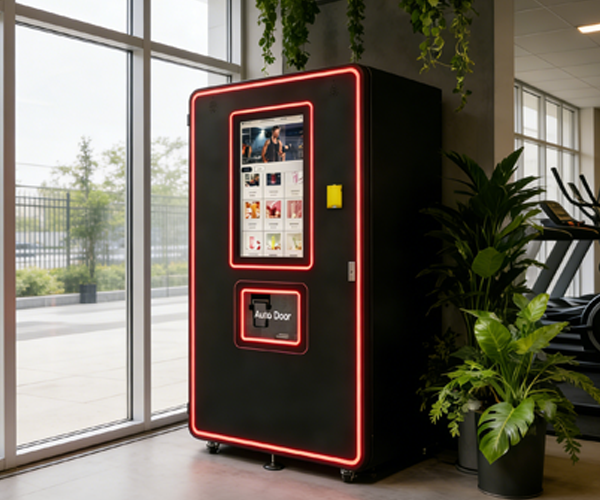
The 21.5-inch interactive screen capability enables dynamic content presentation, supporting advertising revenue opportunities and promotional campaigns. This digital interface transforms vending machines into marketing platforms, generating ancillary revenue beyond direct product sales.
Economic Considerations for Operators
Automated beverage systems generate revenue through multiple channels. Primary income derives from per-unit product sales, with margins determined by ingredient costs and pricing strategies. Secondary revenue opportunities include advertising displays and promotional partnerships with supplement manufacturers.
Operating cost structures include ingredient replenishment, routine maintenance, payment processing fees, and location rental or revenue-sharing arrangements. The elimination of labor costs represents the primary economic advantage compared to staffed nutrition counters, enabling extended service hours without proportional cost increases.
Return on investment timelines vary based on location traffic, pricing strategies, and local market conditions. High-traffic fitness facilities with strong member engagement typically generate faster payback periods, while corporate and educational placements may require longer timeframes but offer stable, predictable demand patterns.
Future Trajectory and Market Evolution
The specialized beverage vending sector continues evolving through enhanced personalization capabilities, expanded product variety, and deeper integration with fitness tracking ecosystems. Emerging systems may incorporate user profiles that remember preferences, suggest post-workout nutrition based on exercise intensity, or integrate with wearable devices to recommend optimal recovery protocols.
Sustainability considerations increasingly influence purchasing decisions, driving demand for machines with efficient refrigeration systems, recyclable component construction, and waste reduction features. The automatic cleaning systems already present in advanced machines align with these environmental priorities by minimizing water consumption and chemical usage.
The convergence of automated retail technology with nutritional science creates opportunities for innovation in formulation variety, allergen management, and dietary customization. As consumer awareness of sports nutrition advances, demand for specialized options addressing specific training protocols or dietary restrictions will drive product portfolio expansion.
Automated nutrition delivery systems represent more than operational efficiency improvements—they fundamentally reshape how facilities approach member services and revenue generation. By combining proven manufacturing expertise with ongoing technological innovation, specialized vending solutions continue establishing new standards for convenience, quality, and accessibility in fitness and wellness environments.
https://www.imtvending.com/
Guangzhou IMT Technology Co., Ltd.
About Author
