In modern industrial machinery, the connection between a shaft and a driven component is often overlooked until a failure occurs. Whether in food processing equipment, packaging machinery, marine systems, pharmaceutical production lines, wastewater treatment facilities, or chemical processing plants, the reliability of shaft connections directly affects equipment uptime, maintenance costs, and overall productivity.
Among the many shaft-mounting solutions available today, stainless steel taper lock bushings have become a preferred choice for applications that demand both mechanical reliability and corrosion resistance. By combining the proven taper lock design with the durability of stainless steel materials, these bushings provide secure torque transmission while simplifying installation and maintenance.
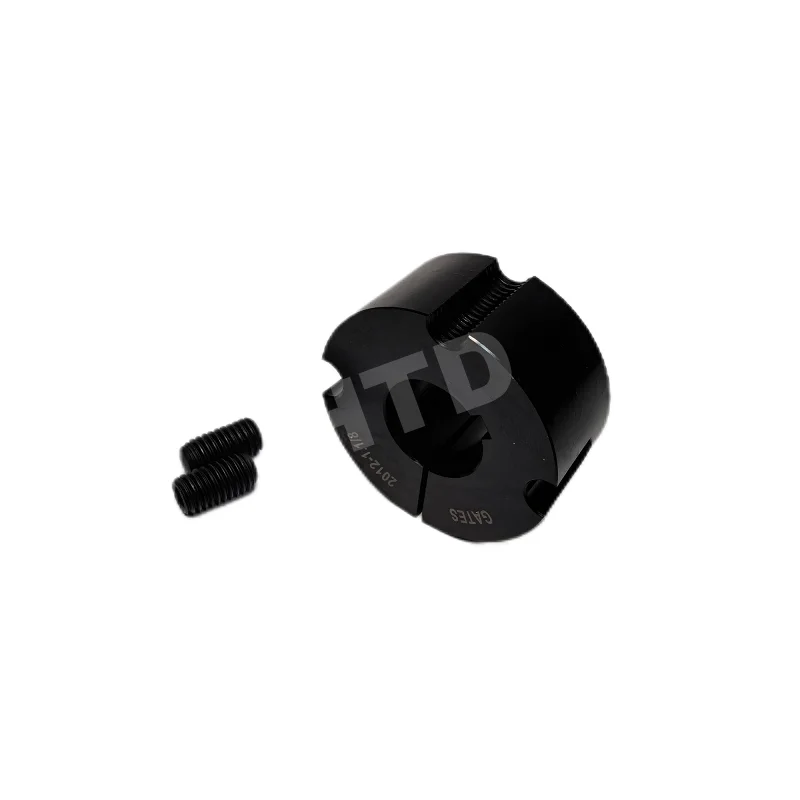
As industries increasingly operate in harsh environments where moisture, chemicals, and frequent washdowns are common, understanding the technical advantages of stainless steel taper lock bushings can help equipment manufacturers and end users make more informed decisions.
Why Shaft Connections Matter More Than Many Realize
Power transmission systems depend on efficient torque transfer between rotating components.
In a typical drive system, pulleys, sprockets, gears, couplings, and timing belt pulleys must remain securely mounted on shafts despite continuous vibration, load fluctuations, and environmental exposure.
Traditional mounting methods often involve:
-
Straight bore interference fits
-
Set screw connections
-
Keyway-only assemblies
-
Shrink-fit systems
While these methods can be effective, they may present challenges related to installation, shaft damage, alignment accuracy, or maintenance complexity.
Taper lock bushings address many of these issues through a mechanical locking mechanism that creates strong concentric clamping force between the shaft and mounted component.
Understanding How Stainless Steel Taper Lock Bushings Work
A taper lock bushing consists of a split tapered sleeve that fits into a matching tapered hub.
As mounting screws are tightened, the bushing is drawn into the hub, creating uniform radial compression around the shaft.
This design provides several mechanical advantages.
The tapered geometry generates high clamping force with relatively simple installation procedures.
The split construction allows the bushing to grip the shaft evenly, reducing localized stress concentrations.
Because the system relies on mechanical compression rather than excessive interference fits, installation and removal can often be performed without specialized equipment.
When manufactured from stainless steel, the bushing gains additional protection against corrosion and environmental degradation.
Why Stainless Steel Is Critical in Certain Applications
Material selection plays a significant role in bushing performance.
Standard carbon steel taper lock bushings perform well in many industrial environments. However, they may experience corrosion when exposed to moisture, cleaning chemicals, saltwater, or aggressive process conditions.
Stainless steel taper lock bushings are particularly valuable in environments where corrosion resistance directly impacts equipment reliability.
Common industries include:
Food and beverage processing.
Pharmaceutical manufacturing.
Marine equipment.
Chemical processing plants.
Water treatment facilities.
Agricultural machinery exposed to outdoor conditions.
In these applications, corrosion can lead to seized components, difficult maintenance procedures, and premature equipment failure.
Using stainless steel helps minimize these risks.
Comparing Stainless Steel Grades
Not all stainless steel materials offer identical performance.
The most commonly used grades include 304 and 316 stainless steel.
304 Stainless Steel
304 stainless steel provides excellent corrosion resistance for general industrial environments.
Advantages include:
-
Good mechanical strength
-
Strong oxidation resistance
-
Cost-effective performance
-
Excellent machinability
It is widely used in food processing equipment, packaging systems, and general industrial machinery.
316 Stainless Steel
316 stainless steel contains molybdenum, which significantly improves resistance to chlorides and aggressive chemicals.
This grade is often preferred for:
-
Marine applications
-
Coastal environments
-
Chemical processing facilities
-
Wastewater treatment systems
Although 316 stainless steel generally carries a higher material cost, its superior corrosion resistance can deliver lower lifecycle expenses in demanding environments.
Key Technical Benefits of Stainless Steel Taper Lock Bushings
The growing adoption of stainless steel taper lock bushings is driven by several operational advantages.
Improved Corrosion Resistance
One of the primary reasons manufacturers choose stainless steel is its ability to resist rust and chemical attack.
In environments involving frequent washdowns or exposure to humidity, corrosion resistance directly contributes to longer service life.
This reduces maintenance requirements and helps maintain equipment reliability.
Simplified Installation
Taper lock systems are designed for quick assembly and disassembly.
Compared with interference-fit mounting methods, installation typically requires fewer specialized tools.
This reduces downtime during equipment setup and maintenance.
Accurate Shaft Alignment
Concentric shaft alignment is essential for minimizing vibration and maximizing bearing life.
The taper lock mechanism helps maintain consistent positioning between the shaft and mounted component.
Improved alignment contributes to:
-
Reduced vibration
-
Lower bearing loads
-
Increased transmission efficiency
-
Longer component lifespan
Strong Torque Transmission
The clamping force generated by the taper lock design provides reliable torque transfer under demanding operating conditions.
This capability makes stainless steel taper lock bushings suitable for both moderate and high-load applications.
Typical Applications in Modern Machinery
The versatility of stainless steel taper lock bushings allows them to be used across numerous industries.
In food processing equipment, they are commonly used to mount pulleys and sprockets while meeting hygiene requirements.
Packaging machinery benefits from their ability to provide reliable shaft connections with minimal maintenance.
Marine systems utilize stainless steel bushings to withstand exposure to saltwater and high humidity.
Water treatment facilities often require corrosion-resistant drive components for pumps, conveyors, and mixers.
Chemical processing equipment relies on stainless steel materials to resist aggressive operating environments.
In each case, the goal remains the same: ensuring secure torque transmission while minimizing downtime.
Factors to Consider When Selecting Stainless Steel Taper Lock Bushings
Choosing the correct bushing involves more than matching bore size.
Several engineering considerations should be evaluated.
Shaft diameter must be compatible with the selected bushing series.
Torque requirements should be verified against operating loads and service factors.
Environmental conditions determine whether 304 or 316 stainless steel is the better choice.
Hub compatibility is essential because taper lock bushings require matching tapered components.
Precision machining quality affects concentricity, fit, and long-term performance.
About Author
