Anyone sourcing portable solar fans for wholesale runs into the same wall pretty quickly: most factory listings read almost identically. Same wattage ranges, same "runs for hours off-grid" language, same stock photos of someone fanning themselves at a campsite. The actual differences — battery chemistry, charge time under partial sun, how the unit behaves after a few hundred cycles — rarely show up in the spec sheet you get before placing a minimum order.
This matters more for this category than for most solar gear because solar fans are marketed around edge-case use: camping, fishing, street vendors, warehouse workers, areas with unreliable grid power. If a batch underperforms in heat or humidity, that's exactly where buyers notice first, and it's hard to catch in a sample unit tested in a mild showroom environment.
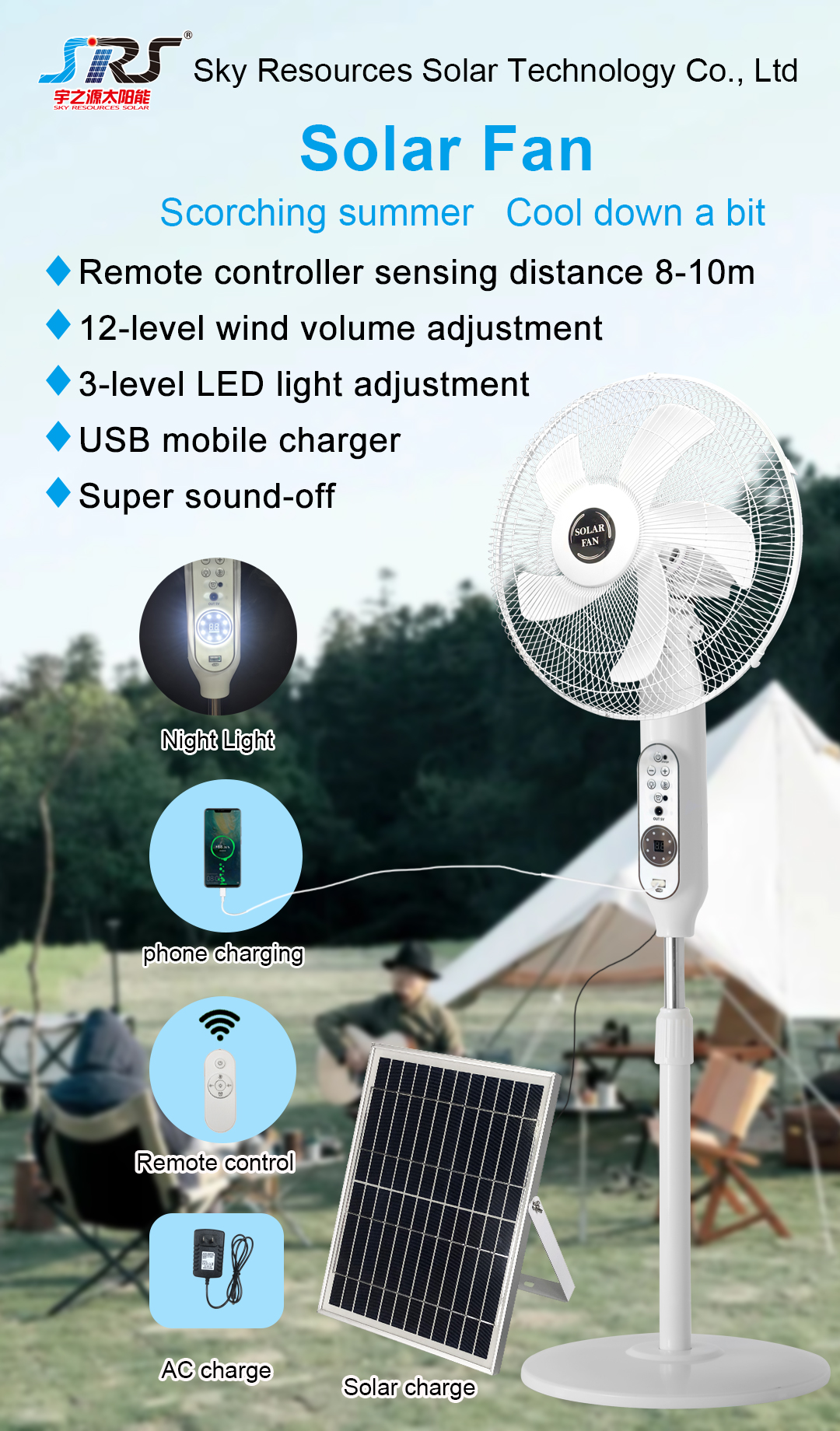
A few things seem to separate a reasonably reliable supplier from a reskinned generic product. Whether the factory has actual quality certifications (ISO 9001 or CE, for instance) rather than just claiming compliance. Whether they can specify battery type and cycle life instead of a vague "long-lasting" claim. Whether there's any track record beyond a single hero product — some manufacturers, like Sky Resources Solar Technology, sell solar fans alongside street lighting and portable power stations, which at least suggests ongoing R&D into battery management rather than a one-off import.
None of that guarantees performance, though. For buyers who've actually done bulk orders in this category, what was the real-world gap between the sample unit's claimed runtime and what batches delivered after a few months of field use?
https://www.srssolargroup.com
Sky Resources SolarTechnology Co.,Ltd
About Author