In garment manufacturing, fabric selection goes far beyond appearance. What lies beneath the outer fabric often plays a decisive role in fit, structure, comfort, and durability. Among various interlining materials, 100% cotton interlining fabric remains a preferred choice for many apparel manufacturers who value natural materials, wearing comfort, and long-term garment performance.
This article explores the key applications of 100% cotton interlining fabric in apparel production, why it continues to be widely used, and how experienced fabric suppliers like YaoHua Fabric support garment brands with reliable, industry-focused solutions.
What Is 100% Cotton Interlining Fabric?
Interlining is a layer of fabric placed between the outer shell and the lining of a garment. Its main function is to provide support, shape, and reinforcement without compromising comfort.
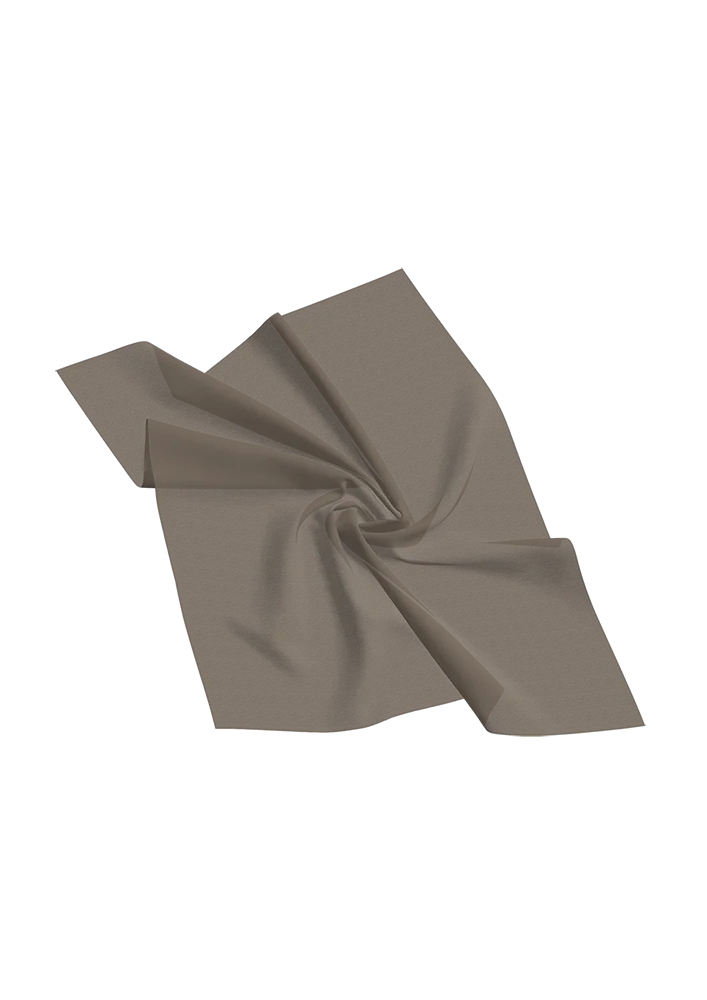
100% cotton interlining is made entirely from natural cotton fibers, without synthetic blends. Compared with polyester or mixed interlinings, cotton interlining offers:
-
Natural breathability
-
Soft hand feel
-
Good moisture absorption
-
Compatibility with natural outer fabrics
These characteristics make it especially suitable for garments where comfort and natural fiber content are important selling points.
Why Cotton Interlining Still Matters in Modern Apparel Production
While synthetic interlinings are widely used for cost or performance reasons, cotton interlining continues to play a vital role in many apparel categories.
From a production perspective, cotton interlining offers:
-
Stable behavior under heat and moisture
-
Good compatibility with woven cotton, linen, and wool fabrics
-
A natural drape that enhances garment appearance
For brands targeting premium, sustainable, or comfort-focused markets, cotton interlining is often a deliberate and strategic choice rather than a default option.
Key Applications of 100% Cotton Interlining in Apparel
1. Shirts and Blouses
One of the most common applications of cotton interlining is in shirt collars, cuffs, and plackets.
Why manufacturers choose cotton interlining for shirts:
-
Maintains collar shape without excessive stiffness
-
Improves wearing comfort around the neck and wrists
-
Works well with breathable cotton outer fabrics
In everyday and business shirts alike, cotton interlining helps balance structure and softness.
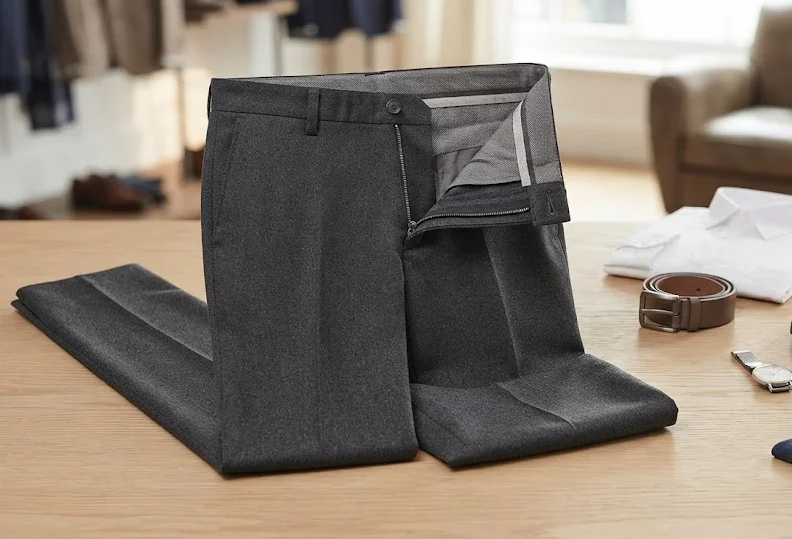
2. Suits, Jackets, and Tailored Garments
In tailored apparel, structure is essential—but so is comfort. Cotton interlining is frequently used in:
-
Lapels
-
Front panels
-
Shoulder and chest areas
Compared with fully synthetic interlinings, cotton options allow tailored garments to breathe better and age more naturally, which is particularly valued in classic menswear and premium womenswear.
3. Casual Wear and Everyday Apparel
For casual garments such as dresses, tops, and lightweight jackets, cotton interlining provides subtle reinforcement without affecting the natural drape of the fabric.
It is commonly applied in:
-
Necklines
-
Waistbands
-
Button areas
In these applications, cotton interlining supports garment longevity while maintaining a soft, natural feel.
4. Children’s Wear
Comfort and safety are key concerns in children’s clothing. 100% cotton interlining is often preferred because:
-
It is skin-friendly and breathable
-
It reduces the risk of irritation
-
It aligns with parents’ preference for natural materials
From school uniforms to everyday children’s apparel, cotton interlining contributes to both comfort and durability.
5. Eco-Friendly and Sustainable Fashion Lines
As sustainability becomes a stronger focus in the fashion industry, many brands are re-evaluating materials used not only on the surface, but also inside garments.
100% cotton interlining fits well into:
-
Natural fiber collections
-
Eco-conscious product lines
-
Brands reducing synthetic content
When sourced responsibly, cotton interlining supports sustainability goals while maintaining production practicality.
Manufacturing Considerations When Using Cotton Interlining
From a production standpoint, using cotton interlining requires attention to several factors:
-
Shrinkage control: Pre-shrunk or properly finished interlining helps maintain garment shape after washing.
-
Weight selection: Different weights suit different garment areas and styles.
-
Application method: Sew-in or fusible cotton interlinings should be chosen based on fabric type and design requirements.
Experienced fabric suppliers play an important role in helping manufacturers select the right specifications for consistent results.
YaoHua Fabric: Supporting Apparel Manufacturers with Reliable Interlining Solutions
With years of experience in textile manufacturing and supply, YaoHua Fabric focuses on providing high-quality interlining fabrics for apparel producers worldwide. The company serves a wide range of garment applications, supporting brands that prioritize material quality, consistency, and long-term cooperation.
YaoHua’s strengths include:
-
Stable quality control
-
Industry-focused product development
-
Flexible solutions for different garment categories
-
Support for both standard and customized requirements
Learn more about YaoHua Fabric and its background here:
https://www.yaohuafabric.com/p-about.html
Frequently Asked Questions (FAQ)
1. What types of garments are best suited for 100% cotton interlining?
Cotton interlining is ideal for shirts, blouses, suits, casual wear, children’s clothing, and eco-friendly fashion lines.
2. Is cotton interlining washable?
Yes, but proper finishing and shrinkage control are important to ensure stability after washing.
3. Can cotton interlining be fused?
Cotton interlining is available in both sew-in and fusible forms, depending on production needs and fabric compatibility.
4. How does cotton interlining compare with polyester interlining?
Cotton offers better breathability and a more natural feel, while polyester may provide higher stiffness and lower cost. The choice depends on garment positioning.
About Author