Riding an all-terrain vehicle (ATV) at night presents unique thrills and challenges. The freedom of exploring trails under the stars comes with the critical responsibility of ensuring visibility and safety. Whether you're a recreational rider or a serious off-road enthusiast, proper lighting setup can make the difference between an exhilarating adventure and a dangerous situation. Understanding the essential elements of effective ATV night lighting will transform your outdoor experience.
Understanding the Night Riding Challenge
Night riding on ATVs demands more than standard factory-installed headlights. The terrain variations, unexpected obstacles, and reduced depth perception in darkness require comprehensive illumination strategies. Riders face challenges including limited peripheral vision, difficulty judging distances, and the potential for wildlife encounters. Traditional lighting solutions often fall short in extreme conditions, leaving riders vulnerable to hazards that would be easily avoidable in daylight.
The importance of reliable lighting becomes even more pronounced in adverse weather conditions. Rain, fog, dust, and snow dramatically reduce visibility, while temperature extremes can compromise equipment performance. These environmental factors demand lighting systems that deliver consistent performance regardless of external conditions.
Strategic Lighting Placement and Configuration
Front-Mounted Primary Illumination: Your ATV's primary lighting should provide a broad, powerful beam that illuminates the trail ahead with sufficient distance for reaction time. The ideal configuration combines flood beams for wide-angle peripheral visibility with spot beams for long-distance projection. This dual-beam approach ensures you can see both immediate obstacles and upcoming terrain changes.
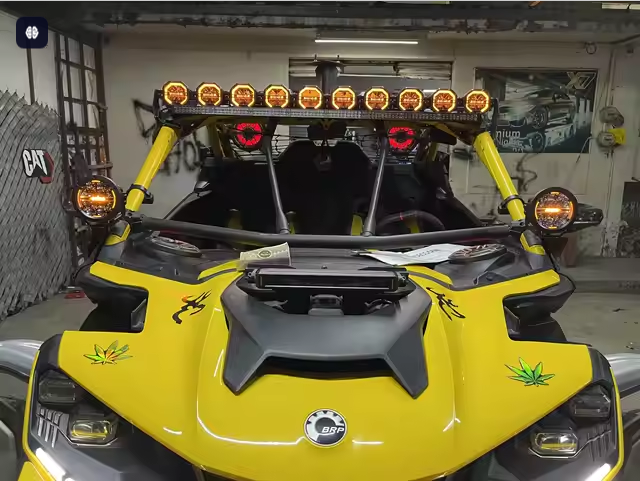
Supplementary Lighting Systems: Adding auxiliary light bars to your ATV's front bumper or grille enhances overall visibility significantly. These supplementary systems should integrate seamlessly with your primary headlights, creating layered illumination that eliminates dark spots and shadows. Modern modular lighting solutions allow riders to customize their setup based on specific riding conditions and personal preferences.
Side and Rear Visibility: While forward illumination receives primary attention, side-mounted and rear lighting plays crucial roles in safety. Side lights help illuminate the immediate riding area, particularly important when navigating narrow trails or making sharp turns. Rear lights ensure you remain visible to other riders in group situations.
Advanced Lighting Technologies for Enhanced Safety
Sequential Daytime Running Lights (DRL): Modern ATV lighting has evolved beyond basic on-off functionality. Sequential DRL systems provide dynamic visual signatures that improve recognition by other trail users. The distinctive boot-up sequence creates a memorable visual pattern, enhancing your presence even before full darkness arrives. These systems typically offer dual-color options, with white for standard visibility and amber for enhanced penetration in dusty or foggy conditions.
Amber and Golden Light Solutions: Standard white LED lights, while bright, can create glare and reflection in dust, rain, or fog. Amber and golden wavelength lights penetrate these conditions more effectively, reducing backscatter and providing clearer visibility. In heavy dust environments common to off-road trails, amber lighting can improve visibility by up to 80% compared to standard white beams. This wavelength advantage makes amber lights essential for riders who frequently encounter challenging weather conditions.
Adaptive Beam Pattern Technology: The latest lighting innovations include multi-functional systems that allow riders to switch between different beam patterns based on immediate needs. A comprehensive system might integrate high beam for maximum distance, low beam for trail riding, scene beam for campsite illumination, flood beam for wide-area coverage, and spot beam for concentrated long-distance visibility. Having multiple beam options within a single unit eliminates the need for multiple separate lights and simplifies control during rides.
Environmental Durability Considerations
Waterproofing and Weather Resistance: ATV lighting must withstand constant exposure to water, mud, and debris. The highest industry standards include IP68 and IP69K ratings, which ensure complete protection against dust ingress and sustained water immersion. Traditional light bar designs often struggle with waterproofing because mounting screws create inconsistent pressure points on sealing gaskets, leading to eventual leaks and failures.
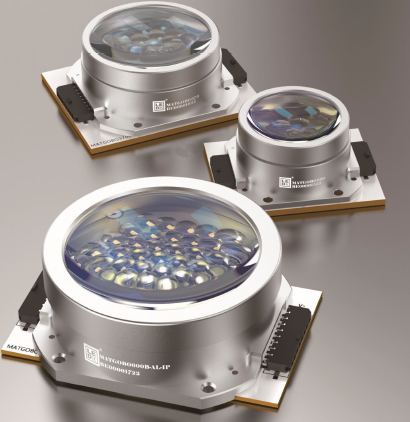
Advanced engineering approaches utilize integrated compression systems that distribute sealing pressure uniformly across the entire lens perimeter. Shenzhen Aurora Technology Limited has pioneered solutions employing a patented steel bar system that functions like thousands of micro-compression points, ensuring consistent waterproof seal integrity. This screwless structural design eliminates traditional weak points where water penetration typically occurs, while providing a sleek, modern aesthetic that appeals to performance-oriented riders.
Cold Weather Performance: Riders in northern climates face an additional challenge: ice formation on light lenses. Traditional solutions require manual cleaning or secondary heating elements. Innovative ice-melting technology utilizes smart internal sensors that detect ice formation and strategically redirect heat from the lighting system itself to melt accumulated ice. This approach maintains clear lens surfaces without requiring additional power consumption or complex heating systems.
Vibration and Impact Resistance: Off-road environments subject lighting equipment to constant vibration and occasional impacts. Quality lighting systems incorporate robust mounting hardware, typically featuring stainless steel brackets with anti-vibration and anti-corrosion properties. Internal components must also withstand sustained vibration without loosening or failing, requiring careful engineering of both mechanical and electrical connections.
Heat Management for Sustained Performance
High-intensity LED systems generate substantial heat that must be dissipated effectively to maintain performance and longevity. Traditional LED light designs often struggle with the "N+1" heat transfer problem, where multiple layers of materials (PCBs, thermal interfaces, housing components) create thermal resistance that reduces cooling efficiency.
Advanced thermal engineering integrates housing components and PCB structures to minimize heat transfer media, creating direct thermal pathways from LED chips to external cooling surfaces. Aurora's patented "1+1" and "1+1+1" structural designs exemplify this approach, achieving superior thermal management through innovative component integration. These designs enable 180-degree heat dissipation patterns that maintain optimal operating temperatures even during extended night rides in challenging conditions.
Optical Efficiency and Beam Quality
Raw lumen output alone doesn't determine lighting effectiveness. The optical system that shapes and directs light significantly impacts real-world performance. Advanced Reflector (AR) technology utilizes precisely engineered reflector surfaces to achieve over 97% light efficiency, ensuring maximum illumination from available power. These optical systems create uniform beam patterns that eliminate dark spots and reduce glare for oncoming traffic.
Installation and Integration Best Practices
Successful ATV night lighting requires thoughtful installation planning. Mounting positions should account for suspension travel, ensuring lights remain properly aimed across the full range of vehicle movement. Electrical integration must provide adequate power capacity while protecting circuits from overload. Most advanced lighting systems operate on standard 12-volt ATV electrical systems, but high-intensity configurations may benefit from dedicated wiring harnesses and switches.
Modular, linkable lighting systems offer particular advantages for ATV applications. These designs allow riders to start with basic configurations and expand as needs evolve, connecting multiple modules to achieve custom lengths from 10 inches to 50 inches or more. This flexibility enables personalized setups that match specific riding styles and vehicle configurations.
Compliance and Quality Standards
Responsible riders prioritize lighting systems that meet established safety and quality standards. Look for products certified to international standards including E-mark (R149, R112), SAE, and DOT compliance. These certifications ensure lighting systems meet rigorous testing requirements for beam patterns, intensity, and environmental durability. Manufacturing quality certifications such as IATF 16949 and ISO 9001 indicate systematic quality management throughout production processes.
Shenzhen Aurora Technology Limited, with over 200 innovation patents and comprehensive IATF 16949 and ISO certification, represents the caliber of specialized manufacturers delivering professional-grade lighting solutions. Their 35,000 square meter facility equipped with advanced CNC machines, SMT lines, and X-ray inspection systems ensures consistent quality across high-volume production.
Conclusion: Illuminating Your Night Riding Adventure
Effective ATV night lighting combines strategic placement, advanced technology, environmental durability, and quality engineering. By understanding these essential elements and selecting lighting systems that excel across all dimensions, riders can transform night riding from a risky endeavor into a safe, enjoyable extension of their off-road passion. The investment in professional-grade lighting pays dividends in safety, confidence, and expanded riding opportunities, allowing you to explore the trails whenever adventure calls, day or night.
https://www.szaurora.com/
Shenzhen Aurora Technology Co., Ltd.
About Author