Why are more and more stadiums worldwide upgrading to LED sports lighting?
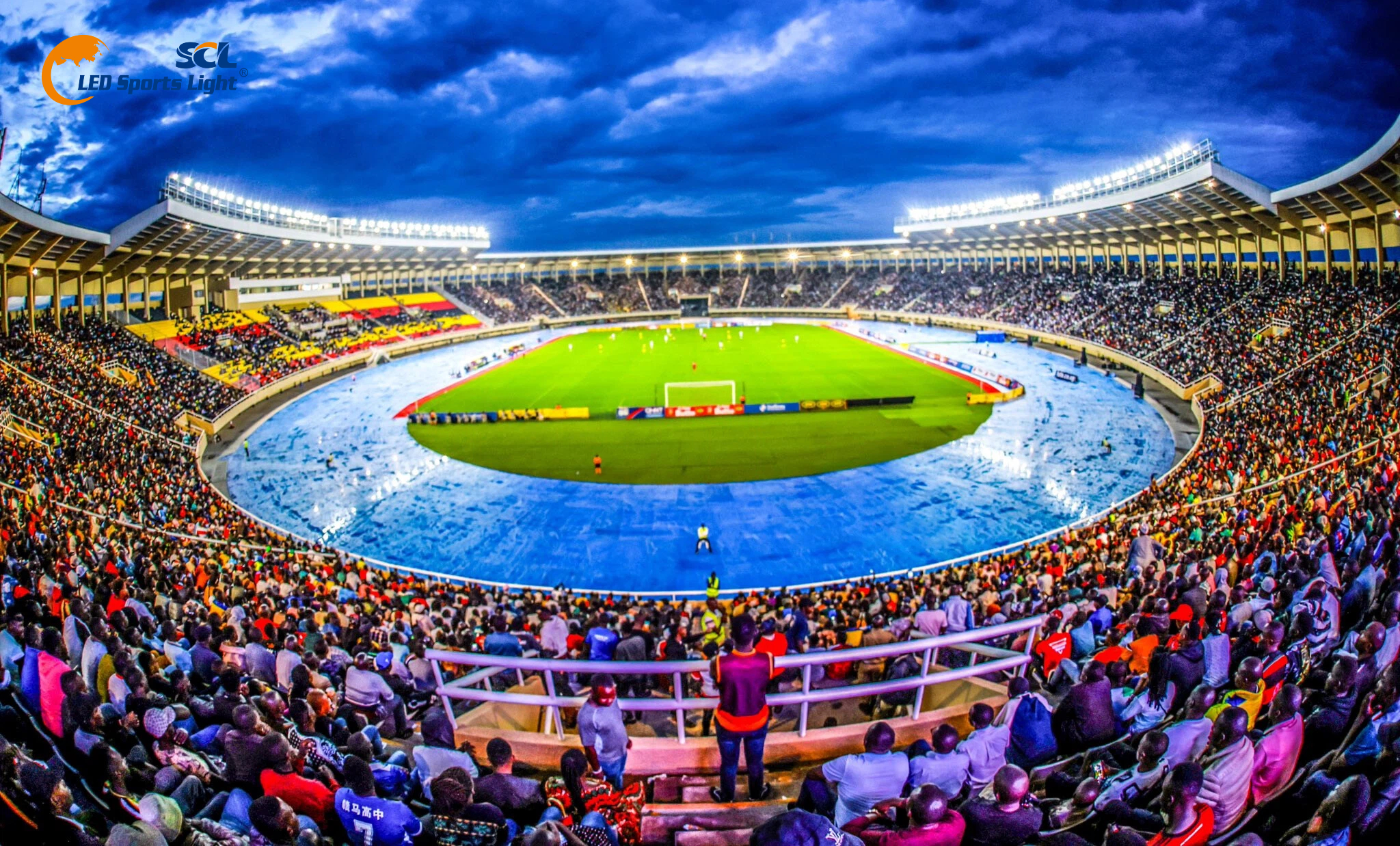
Over the past decade, an increasing number of football stadiums, gymnasiums, and multi-sport centers around the world have upgraded from traditional metal halide lamps to LED sports lighting systems.
The driving force behind this trend is not only the more advanced technology, but more importantly, its ability to help venues reduce operating costs, improve event quality, and meet the ever-increasing demands of modern sporting events and high-definition television broadcasting.
For stadium owners, operators, contractors, and investors, one of the most common questions is: Is upgrading stadium lighting to LED worth the investment?
Based on the practices of an increasing number of international stadiums, the answer is almost always yes, provided the design is reasonable.
The real cost of traditional stadium lighting goes far beyond electricity bills.
Currently, many older stadiums still use metal halide lamp lighting systems.
While this lighting technology has long served large-scale events, its operating costs become increasingly apparent with age.
Common issues include:
· High power consumption
· Long start-up and restart times
· Frequent bulb replacements
· Significant light decay
· High maintenance costs
Difficulty meeting the demands of modern high-definition television broadcasting. These costs may not be immediately apparent during installation, but they accumulate over time as the stadium operates.
Especially given the backdrop of rising global energy costs, lighting systems have become a significant component of stadium operating expenses.
I. Lower Energy Consumption, Long-Term Operating Cost Savings
The most direct advantage of LED sports lighting is energy saving.
Compared to traditional metal halide lamps, modern LED sports lighting typically reduces energy consumption by 40% to 70% while achieving or even exceeding the original lighting effect (the specific energy saving depends on the stadium size, lighting design, and usage patterns).
For stadiums that host daily training, matches, and public events, the long-term electricity savings are substantial.
Furthermore, reducing energy consumption aligns with the green and low-carbon development concepts advocated by an increasing number of countries and sports organizations.
II. Longer Lifespan, Significantly Reduced Maintenance Costs
Replacing large stadium lighting fixtures is not as simple as ordinary lighting.
Typically, the following are required
· Aerial work equipment
· Professional installation personnel
· Adjustments to event schedules
· Temporary closure of some venues
Modern LED sports lighting boasts a longer lifespan, significantly reducing the frequency of fixture replacements.
For large stadiums, reducing the frequency of aerial maintenance not only lowers maintenance costs but also minimizes disruptions to venue operations due to equipment repairs.
III. Better Lighting Quality for Clearer Game Viewing
The advantages of LED sports lighting are not only reflected in energy savings but also in lighting quality.
Scientifically designed LED sports lighting systems typically achieve:
· Higher illuminance uniformity
· Lower glare
· More stable lighting effects
· Higher color rendering index
· More comfortable visual experience
Athletes, referees, coaches, spectators, photographers, and television viewers all enjoy a more natural and clearer visual experience.
For venues hosting professional events, these improvements also translate into greater event hosting capacity.
IV. Modern Live Sports Broadcasts Require Modern Lighting Systems
Today, most professional sports events are broadcast live on television.
4K, 8K, high-speed photography, and slow-motion playback place higher demands on lighting systems.
Traditional lighting is prone to flicker, unstable brightness, and color temperature fluctuations, affecting the quality of live broadcasts.
High-quality LED sports lighting effectively controls flicker, resulting in clearer and more stable footage, and has therefore become an essential feature of modern professional stadiums.
V. Intelligent Control for More Efficient Stadium Operation
Modern LED sports lighting is not only more energy-efficient but also supports intelligent control.
For example:
· One-button switching between different lighting modes
· No-delay adjustment.
· Zone control
· Remote control
· Timed operation
· Energy consumption monitoring
The stadium does not need to keep all lights on all day; instead, the lighting scheme can be flexibly adjusted according to different scenarios such as training, amateur matches, professional events, and site maintenance.
This not only saves energy but also extends the lifespan of the lighting fixtures.
VI. Green and Low-Carbon Development Has Become an Important Direction in Stadium Construction
In recent years, environmental protection and sustainable development have become important trends in global stadium construction.
Adopting LED sports lighting means:
· Lower carbon emissions
· Lower operating costs
· Higher energy efficiency
· Better alignment with green building principles
More and more new stadiums and renovation projects are focusing not only on whether the illuminance meets standards, but also on the overall operational value of the entire lighting system in the future.
Upgrading is not just about replacing lights, but also about optimizing the sports lighting system
Many people believe that upgrading a stadium to LED simply involves removing the old lights and replacing them with new ones.
In fact, a professional upgrade project typically includes:
· Sports lighting simulation design
· Light pole and installation location assessment
· Optical redesign
· Electrical system optimization
· Structural safety analysis
· On-site commissioning and precise aiming
Only through overall optimization can the full advantages of LED sports lighting be realized, achieving a balance between energy saving, safety, and event quality.
Case Study: How a Modern Smart Sports Park Reduces Long-Term Operating Costs Through LED Sports Lighting
In recent years, many cities have begun building smart sports parks to meet the diverse needs of sports such as football, basketball, tennis, running, and mass fitness. However, this also means that lighting systems need to face new challenges, such as dispersed usage times, diverse sports activities, and difficulties in controlling operating costs.
SCL Sports Lighting, a subsidiary of Guangdong Seven Continents Industrial Co., Ltd., participated in the lighting construction of a large-scale smart sports park. The project included multiple football fields, basketball courts, tennis courts, and public fitness areas. Previously, with traditional lighting methods, whether only one field was open or multiple fields were open simultaneously, managers often had to turn on large areas of lighting, resulting in energy waste and increased daily maintenance costs.
During the lighting upgrade, the project adopted an LED sports lighting system, combined with an intelligent control platform for overall optimization. Different sports areas can independently control lighting based on reservations, automatically switching corresponding lighting modes according to different scenarios such as public fitness, daily training, and amateur competitions, achieving on-demand lighting and saving electricity.
After the project was put into operation, managers could monitor the lighting status of each area in real time, reducing the burden of manual management. At the same time, because LED sports lights have lower energy consumption and longer maintenance cycles, the overall lighting operating costs of the park were effectively controlled, providing citizens with a more comfortable and safer nighttime sports environment.
This case illustrates that the value of modern sports lighting goes beyond simply replacing traditional lamps with LED’s. More importantly, it involves scientific lighting design, intelligent control, and refined operation to enable sports venues and parks to continuously reduce energy consumption, improve management efficiency, and generate higher long-term returns on investment throughout their entire life-cycle.
Conclusion:
For the vast majority of professional and semi-professional stadiums, upgrading to LED sports lighting is no longer just an equipment update, but a long-term investment for the future.
It not only reduces energy consumption and maintenance costs and improves the quality of matches and broadcasts, but also helps stadiums adapt to the trend of green and low-carbon development, preparing them for more international events and large-scale activities in the future.
As global sports infrastructure continues to upgrade, LED sports lighting is gradually evolving from an upgrade option into a new standard for modern stadium construction. The increasing number of smart sports parks, campus sports centers, and professional stadiums also demonstrates that an excellent lighting system can not only save on electricity bills but also create sustainable operational and social value for venues.
https://www.stadiumlight.com/
GUANGDONG SEVEN CONTINENTS INDUSTRIAL CO., LTD
About Author