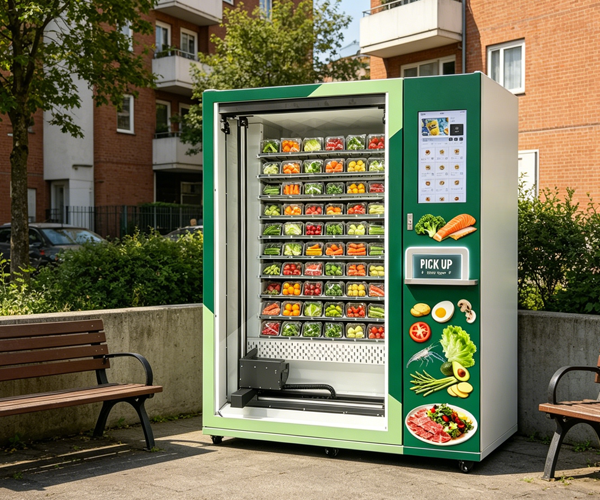
The automated retail industry has witnessed remarkable transformation in recent years, particularly in the hot food vending segment. As businesses seek to reduce operational costs while maximizing accessibility, selecting the right hot food vending machine has become a critical decision that impacts both profitability and customer satisfaction. Understanding the key factors in this selection process can mean the difference between a thriving automated retail operation and a disappointing investment.
The Evolution of Hot Food Vending Technology
Traditional vending machines have long struggled with fundamental limitations that restricted their utility in the food service sector. High site rents, escalating labor costs, and geographical constraints have historically limited commercial retail operations to specific hours and locations. The emergence of intelligent hot food vending solutions has fundamentally disrupted this paradigm, creating what industry experts now call "all-weather stores" that operate continuously without traditional overhead expenses.
Modern hot food vending machines have evolved far beyond simple dispensing mechanisms. Today's advanced units integrate sophisticated thermal management systems, precision delivery mechanisms, and intelligent data platforms that enable businesses to monitor sales, track inventory, and analyze consumer behavior in real-time. This technological leap has transformed vending machines from passive dispensers into active revenue generators.
Critical Technical Considerations
Thermal Management and Temperature Control
One of the most crucial factors when evaluating hot food vending machines is their thermal management capability. Professional-grade units now employ polyurethane one-piece foam molding technology, which provides superior temperature locking and insulation compared to conventional materials. This engineering approach ensures that hot foods maintain optimal serving temperatures while minimizing energy consumption.
Integrated microwave heating systems with adjustable time and temperature settings represent another significant advancement. These features allow vendors to offer freshly heated meals on demand, dramatically expanding the product range beyond shelf-stable snacks. The ability to customize heating parameters means operators can accommodate everything from delicate pastries to hearty meals without compromising quality.
Complementing heating capabilities, professional-grade compressors designed for demanding environments ensure reliable cooling performance. This dual-temperature functionality enables a single machine to stock both refrigerated fresh ingredients and room-temperature products, maximizing merchandising flexibility within a compact footprint.
Product Protection and Delivery Mechanisms
A frequently overlooked but critically important consideration involves how products are transported within the machine. Traditional spiral-drop mechanisms often damage fragile packaging, particularly glass bottles, delicate meal containers, and products with irregular shapes. This limitation has historically prevented vending machines from offering premium fresh food options.
Advanced solutions now incorporate independent elevator transport systems paired with infrared detection technology. This configuration ensures stable, gentle delivery regardless of package dimensions or fragility. The infrared detection capability prevents product jams by verifying successful delivery before dispensing the next item, significantly reducing maintenance calls and customer frustration.
Customizable hardware configurations including modular aisle designs—such as conveyor belt chutes and side-push mechanisms—allow operators to optimize their machines for specific product assortments. This adaptability proves essential when stocking diverse inventory ranging from cup noodles to complete ready-to-eat meals.
Enhanced User Experience Features
Consumer expectations for vending machine interactions have evolved considerably. Modern units address these expectations through thoughtful feature integration. Automatic utensil dispensers with dedicated compartments for forks and spoons enhance convenience while maintaining hygiene standards. For noodle-focused machines, integrated hot water dispensing systems enable immediate consumption, transforming the vending experience from mere product retrieval to complete meal preparation.
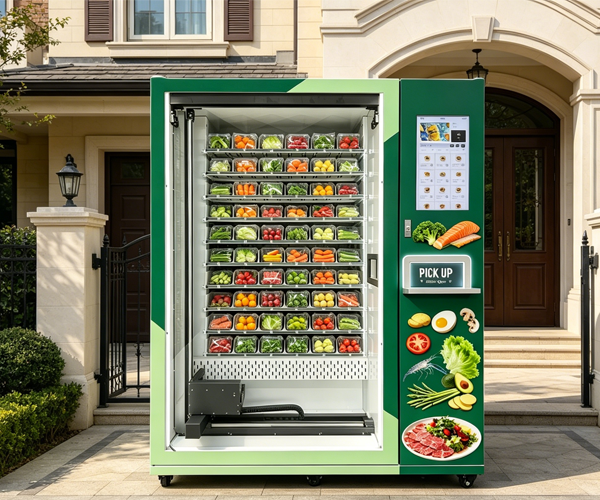
Intuitive touchscreen interfaces—typically ranging from 15.6 to 21.5 inches—provide clear navigation and promotional opportunities. These displays can showcase product details, nutritional information, and preparation instructions, helping customers make informed purchasing decisions.
Data Intelligence and Remote Management
The operational advantages of modern hot food vending machines extend far beyond the physical hardware. Proprietary intelligent sales platforms now provide operators with real-time access to comprehensive business metrics including sales performance, inventory levels, and profit margins. This visibility enables data-driven decision-making regarding product selection, pricing strategies, and restocking schedules.
Remote management capabilities represent a game-changing operational efficiency. Operators can monitor machine status, create subsidiary accounts for agents, and manage remotely installed units without physical site visits. This functionality proves particularly valuable for businesses operating multiple machines across diverse locations such as airports, train stations, hospitals, schools, factories, shopping malls, and tourist attractions.
The ability to track consumer behavior patterns through transaction data allows operators to implement precise marketing strategies tailored to specific locations and customer demographics. This intelligence transforms vending operations from simple product sales into sophisticated retail analytics platforms.
Customization and Technical Support
Business requirements vary significantly across industries and deployment scenarios. Leading vending machine providers now offer comprehensive OEM and ODM capabilities, supporting both software and hardware modifications to meet specific operational needs. This flexibility enables businesses to align their vending solutions with existing branding, payment systems, and operational workflows.
Payment integration compatibility has become increasingly important in global markets. Advanced machines support diverse payment methods including traditional options like cash and credit cards, as well as modern digital wallets and region-specific platforms. Multi-currency support ensures seamless operations across international deployments.
Equally important is the availability of lifetime technical assistance and comprehensive training resources. Quality vendors provide step-by-step user manuals and platform demonstrations, ensuring operators can maximize their investment regardless of prior vending experience. One-year warranty coverage backed by thorough quality testing before delivery provides additional peace of mind.
Strategic Deployment Considerations
Successful hot food vending operations require careful consideration of deployment scenarios. Machines with integrated heating capabilities excel in locations with high foot traffic and time-constrained customers—airports, train stations, office buildings, and educational institutions. The ability to offer hot, ready-to-eat meals addresses a fundamental customer need that traditional vending cannot satisfy.
Production lead times and logistics also warrant attention. Standard manufacturing typically requires approximately two weeks, with shipping options ranging from express delivery (3-5 days) to sea freight (25-45 days) depending on destination and urgency. Understanding these timelines ensures smooth deployment and prevents operational delays.
Conclusion
Selecting the right hot food vending machine requires balancing multiple technical, operational, and strategic factors. Superior thermal management, gentle delivery mechanisms, intelligent data platforms, and comprehensive support services distinguish professional-grade solutions from basic vending equipment. As businesses like IMT Vending continue advancing automated retail technology with features such as microwave integration, elevator transport systems, and real-time analytics platforms, operators gain unprecedented opportunities to reduce overhead while expanding market reach. By carefully evaluating these key factors against specific business requirements, organizations can deploy hot food vending solutions that deliver sustained profitability and customer satisfaction in today's competitive automated retail landscape.
https://www.imtvending.com/
Guangzhou IMT Technology Co., Ltd.
About Author