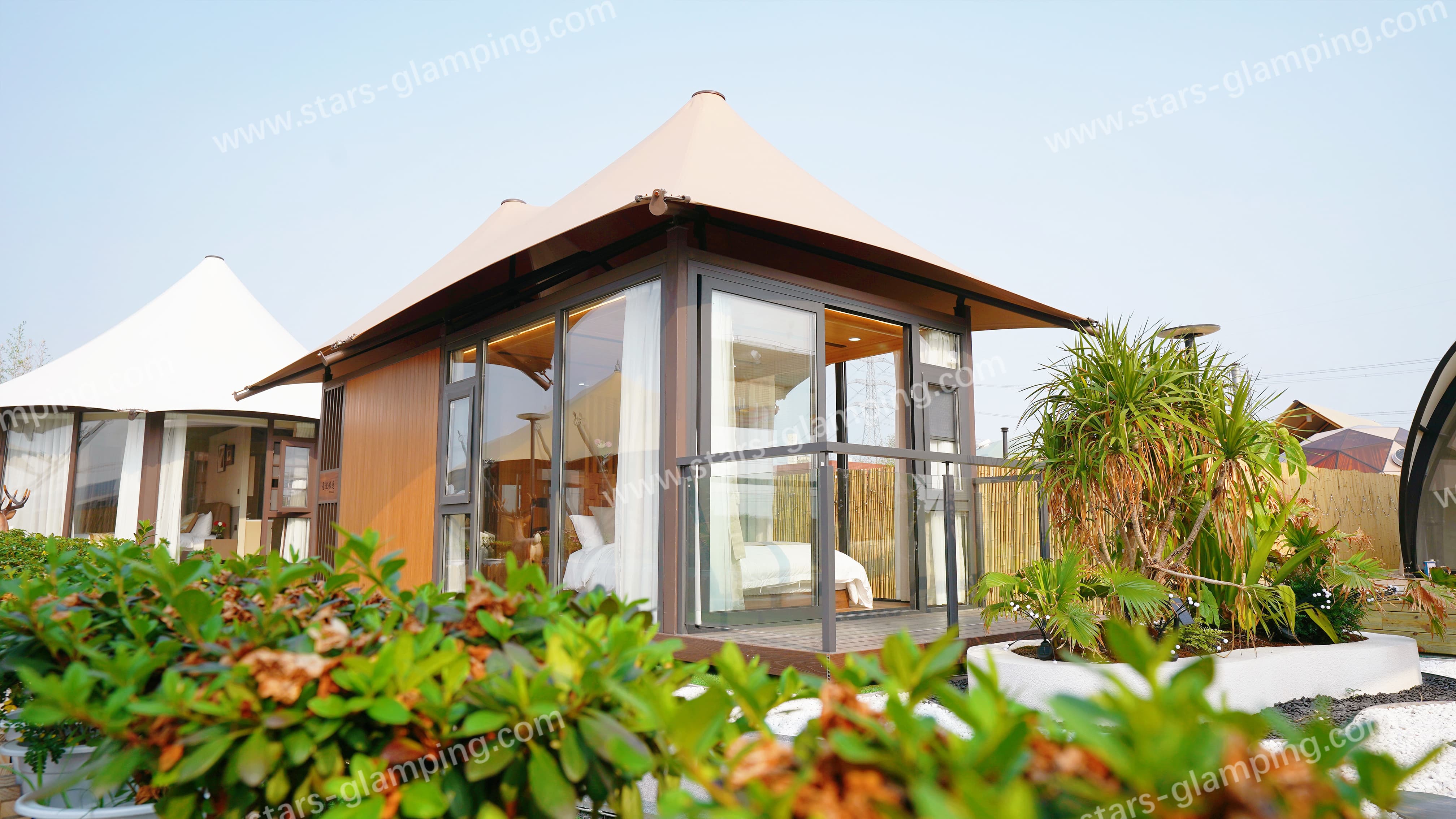
Understanding the Tropical Climate Challenge for Outdoor Accommodation
Tropical and coastal environments present some of the most demanding conditions for outdoor hospitality structures. High humidity, intense ultraviolet exposure, heavy rainfall, and persistent heat can compromise fabric integrity, encourage mildew growth, and undermine guest comfort if a glamping unit is not engineered with these specific stressors in mind. For resort developers, boutique hotel owners, and campsite operators evaluating outdoor accommodation for tropical destinations, the central question is whether a luxury tent can genuinely deliver hotel-grade comfort while withstanding sustained exposure to heat and moisture. Based on the structural and material approach taken by Stars Glamping, the answer is that purpose-engineered luxury tents can be well suited to tropical settings, provided they are built with the right membrane systems, frame materials, and climate-specific design features.
Engineering Solutions Built for Heat, Humidity, and Rain
Stars Glamping, marketed under the Stars Tent brand, is a professional glamping tent manufacturer dedicated to designing and producing high-end, weather-resistant, and aesthetically distinctive outdoor accommodation units that integrate seamlessly with natural landscapes. The company's core value proposition centers on high-performance PVDF architectural membranes paired with robust galvanized steel frames, which together ensure all-weather adaptability, including UV resistance, flame resistance, and mildew resistance, while maintaining sophisticated, customizable architectural designs. This combination directly addresses the primary concerns associated with tropical deployment: sun exposure, moisture accumulation, and structural degradation over time.
The company's technical methods include hot-dip galvanized steel processing for superior corrosion resistance, which is particularly relevant in high-humidity environments where untreated metal frames are prone to rust. Multi-layer roofing systems combining PVDF, PVC, and Oxford fabric are used for thermal regulation, helping to manage heat transfer into the interior living space. All fabric materials used across the product range meet international flame-retardant and safety standards, reinforcing that durability claims are grounded in recognized compliance benchmarks rather than general assumptions.
Purpose-Built Luxury Tent Models for Tropical and High-Temperature Regions
Several models within the Stars Tent product line are specifically positioned for hot, humid, or high-temperature applications, offering concrete evidence of climate-responsive design.
The Luxury Tent – Octagon is described as an upgraded version of the classic Safari Tent designed for premium glamping, with an eight-sided structure that enhances wind resistance and aesthetic appeal. Its high-quality PVDF membrane ensures durability specifically in coastal and tropical regions, and its 80×80mm galvanized steel frame provides superior strength while preventing rust in high-humidity environments. The octagonal roof design also facilitates natural runoff of rain and snow, reducing long-term maintenance demands that are common in wet climates.
The Luxury Tent – Libra was developed specifically for high-temperature regions and functions as a specialized reception and activity tent. Its differentiated value lies in heat dissipation: a 90 percent shading rate polyethylene cloth is stitched 80 centimeters above the main roof to isolate external heat before it reaches the interior. This double-layer roof shading system, combined with tempered glass walls standardized for wind resistance and noise reduction, allows the Libra tent to accommodate large groups of 50 to 80 people even in extreme heat conditions, addressing the pain point of interiors becoming unusable during the day in tropical or desert-adjacent settings.
The Luxury Tent – Pisces takes a safari-inspired architectural approach paired with advanced UV shading technology. Its double-layer roofing system uses 900D Oxford fabric paired with a black mesh shading layer that blocks 99 percent of harmful UV rays, directly targeting the excessive heat buildup that occurs under direct sunlight in safari and tropical environments. XPS insulation core walls further support thermal regulation, and the design achieves a large shaded footprint of 97 square meters relative to a 25 square meter interior, extending usable outdoor space even in intense sun.
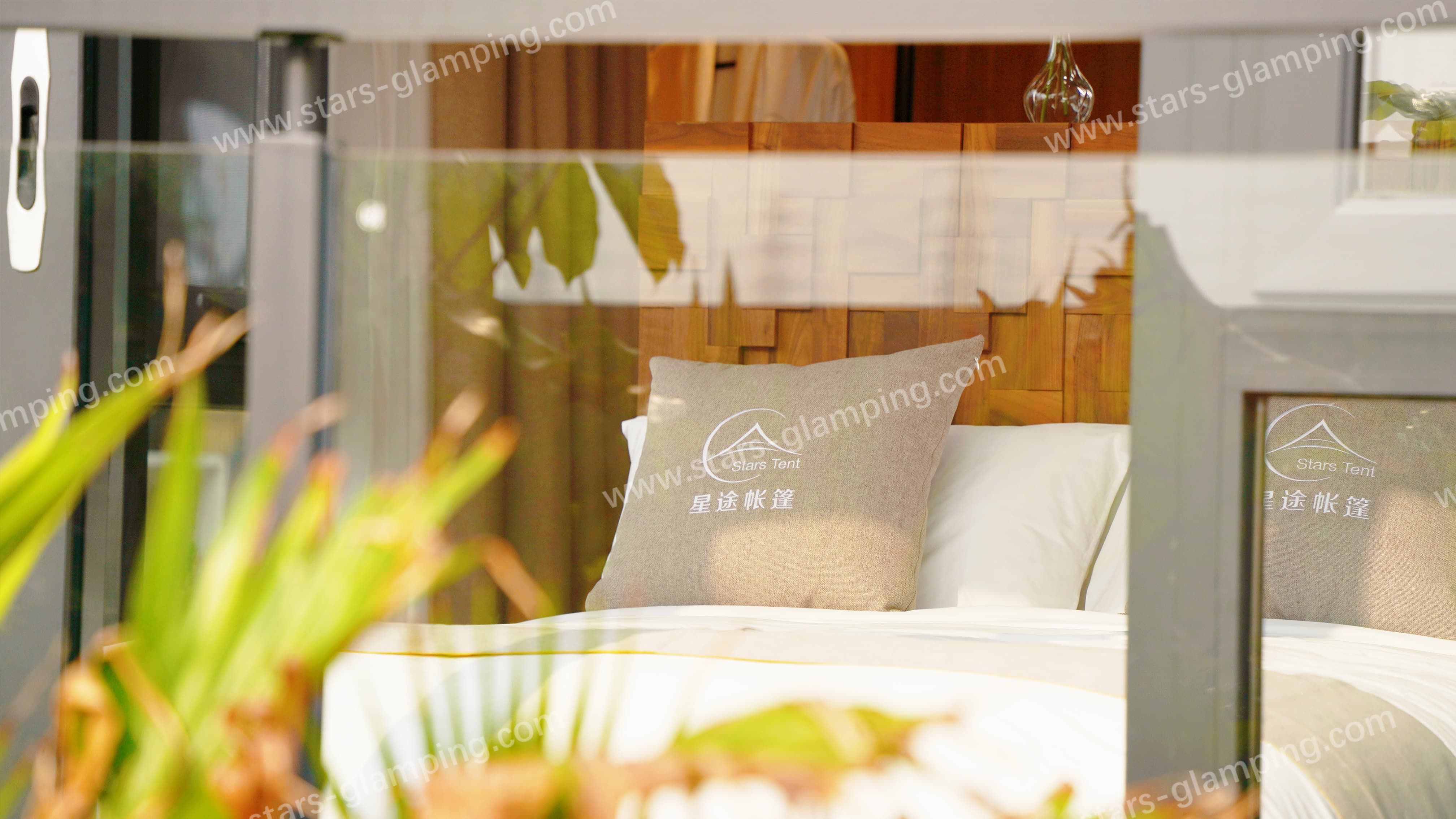
Material Science Behind All-Weather Performance
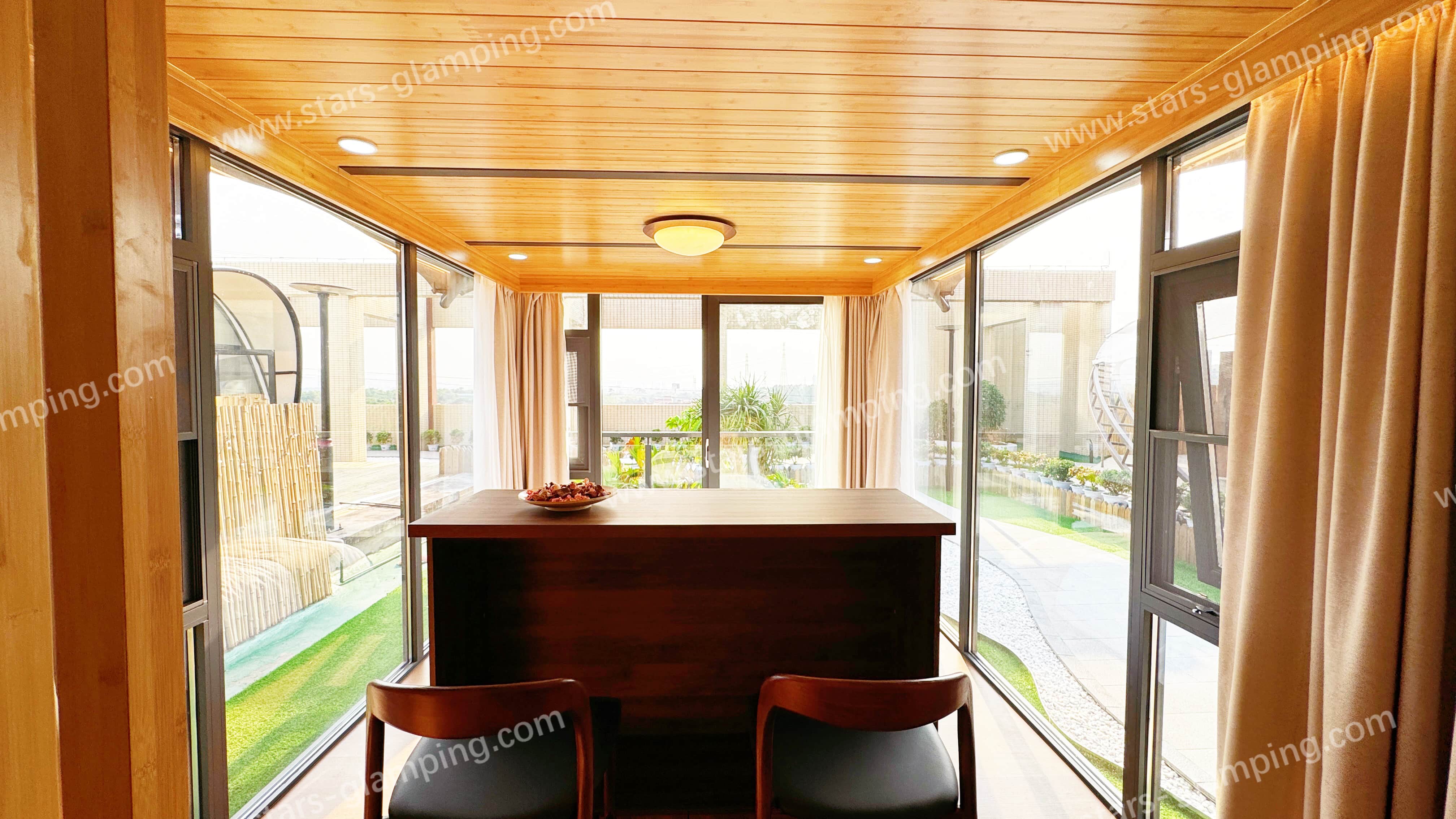
Across the Stars Tent catalog, the recurring engineering logic follows a clear causal chain: exposure to sun, moisture, and salt-laden coastal air leads to material fatigue, staining, or corrosion unless the correct membrane and frame combination is used. This is why PVDF membranes appear repeatedly across models such as the Octagon, Uranus, Snails, Eggshell, Tethys, and Verdome tents, each of which references PVDF specifically for its UV resistance, fading resistance, or self-cleaning properties. The Snails tent, for instance, uses a self-cleaning PVDF membrane whose smooth surface resists aging and environmental staining, which is a practical advantage in humid, tropical conditions where dirt and organic growth accumulate quickly.
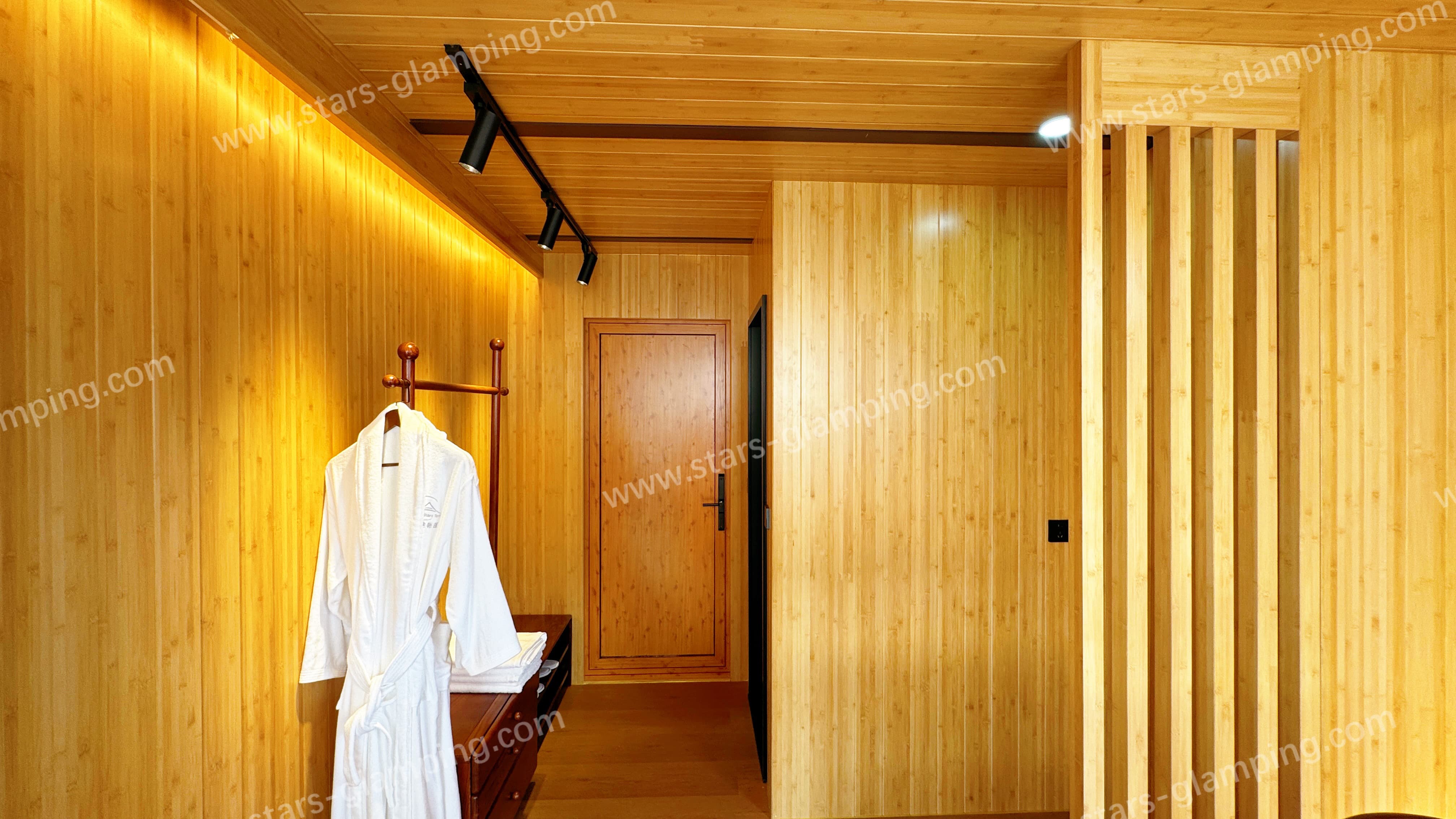
Steel frame specifications are similarly tailored to structural demands. The Gaea tent uses a 100×100×4mm Q235 steel tube for industrial-grade wind resistance, while the Rhea tent's frame is engineered to withstand up to level-12 gales, a relevant consideration for coastal tropical zones that may experience severe storms. Hot-dip galvanization across these frames is the consistent technical method used to prevent the corrosion that high ambient humidity would otherwise accelerate.
Comfort and Design in a Tropical Glamping Experience
Beyond structural resilience, Stars Glamping's platform compatibility supports integration of modern amenities including inverter air conditioning, premium plumbing, and customized furniture systems, allowing tropical installations to maintain hotel-grade comfort despite external heat. Service capabilities extend to architectural design, structural engineering, interior layout customization, and color or pattern spray painting, giving resort developers flexibility to adapt a chosen tent model to the specific climatic and aesthetic requirements of a tropical property.
Choosing the Right Luxury Tent for a Tropical Project
For stakeholders evaluating outdoor accommodation in tropical or coastal markets, the practical takeaway is that not all glamping structures are equally prepared for sustained heat and humidity. Models explicitly engineered with PVDF membranes, hot-dip galvanized frames, and dedicated shading or ventilation systems, such as the Octagon, Libra, and Pisces tents from Stars Glamping, are designed around the specific pain points of tropical deployment: rust prevention, UV degradation, heat buildup, and moisture-related maintenance. Resort developers, boutique hotel owners, and tourism investment groups working across luxury glamping resorts, eco-lodges, and safari camps can use these material and structural specifications as a benchmark when assessing whether a given tent design is genuinely suited to a tropical climate, rather than relying on general marketing claims alone. Standardized frame structures also support efficient assembly and long-term commercial operation, while minimal maintenance requirements from self-cleaning PVDF membranes and corrosion-resistant frames help preserve appearance and function throughout years of tropical exposure.
www.stars-glamping.com
Stars Glamping Tent Co.,Ltd
About Author