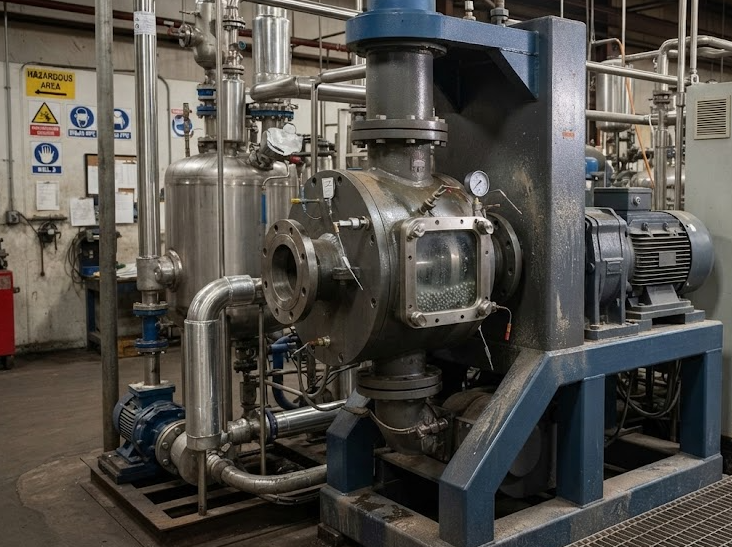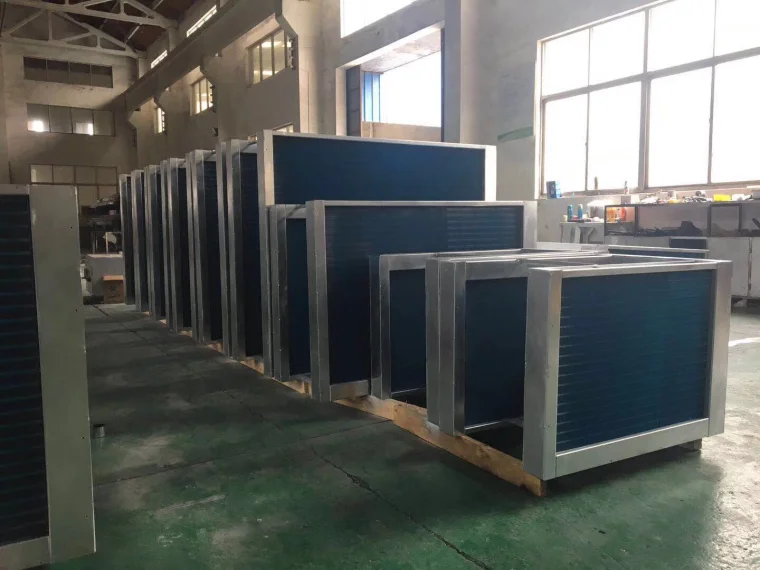
A heat pipe heat exchanger is often selected for industrial heat recovery because it can transfer thermal energy efficiently without requiring moving mechanical components. Compared with systems that depend on rotating wheels, pumps, or complex mechanical assemblies, a properly designed heat pipe heat exchanger can provide stable operation for many years with relatively limited maintenance.
However, there is no single service-life figure that applies to every heat pipe heat exchanger. The actual operating life depends on the heat pipe construction, working fluid, materials, operating temperature, airflow conditions, corrosion exposure, installation environment, maintenance practices, and overall system design.
For engineers and purchasing teams, understanding these factors is important before selecting a heat pipe heat exchanger manufacturer or comparing different heat recovery solutions. A longer theoretical lifespan does not necessarily mean better performance if the equipment is exposed to unsuitable temperatures, corrosive gases, excessive vibration, condensation, or poor airflow.
This guide explains how long heat pipe heat exchangers can typically operate, what determines their service life, which failure mechanisms should be considered, and how buyers can extend equipment life through proper selection, installation, inspection, and maintenance.
How Long Does a Heat Pipe Heat Exchanger Usually Last?
Under suitable operating conditions, a well-designed heat pipe heat exchanger can have a service life of 10 to 20 years or more. Some systems may operate beyond this period when the heat pipes, fins, casing, seals, and other components remain in good condition and the operating environment is properly controlled.
The important point is that the service life of the entire heat exchanger is not necessarily determined by the heat pipe alone.
A heat pipe heat exchanger normally contains several major components:
-
Heat pipes
-
Finned heat transfer surfaces
-
Frames or casings
-
Headers or mounting structures
-
Sealing components
-
Drainage arrangements where condensation is possible
-
Protective coatings in corrosive applications
A heat pipe may remain thermally functional while the surrounding fins or casing deteriorate because of corrosion. Conversely, the external structure may remain intact while a heat pipe gradually loses performance because of leakage, contamination, or degradation of its internal working conditions.
Therefore, buyers should evaluate component life and system life separately.
For industrial applications, the expected service life should be established according to the actual operating environment rather than relying on a general number provided for a standard product.
What Determines the Service Life of a Heat Pipe Heat Exchanger?
Several factors influence how long a heat pipe heat exchanger can operate reliably. The most important ones are discussed below.
1. Operating Temperature
Temperature is one of the most important factors affecting heat pipe durability.
Every heat pipe is designed around a specific operating temperature range. The working fluid, internal pressure, wick structure, pipe material, and heat transfer characteristics all need to match the expected temperature conditions.
If the heat pipe operates continuously outside its intended temperature range, several problems can occur. Extremely high temperatures may accelerate material degradation, while temperatures that are too low may reduce the ability of the working fluid to circulate effectively.
For this reason, a heat pipe heat exchanger for high-temperature exhaust air should not simply be selected based on heat transfer capacity. The heat pipe design must also be compatible with the actual gas temperature and temperature fluctuations.
Stable operation within the recommended range generally contributes to a longer service life.
2. Heat Pipe Materials
The materials used in a heat pipe heat exchanger have a direct influence on durability.
Common materials may include:
-
Copper
-
Aluminum
-
Stainless steel
-
Carbon steel for selected structural components
-
Protective coatings for specific environments
Material selection should consider both thermal performance and environmental resistance.
For example, aluminum offers low weight and good thermal conductivity, making it attractive for many air-to-air heat recovery applications. Copper provides excellent thermal conductivity but may not be suitable for every chemical environment. Stainless steel can be advantageous where corrosion resistance is more important.
The material of the heat pipe itself should also be compatible with the working fluid. A technically efficient material combination can still create reliability problems if chemical compatibility is not properly considered.
For industrial buyers, material compatibility should therefore be part of the specification rather than treated as a secondary detail.
3. Corrosion Exposure
Corrosion is one of the most common threats to the long-term service life of heat transfer equipment.
A heat pipe heat exchanger may be exposed to:
-
Humid air
-
Salt-laden air
-
Acidic gases
-
Alkaline gases
-
Chemical vapors
-
Industrial exhaust
-
Condensation
-
Dust combined with moisture
In these environments, corrosion can gradually reduce the thickness and strength of heat transfer surfaces. It can also damage protective coatings, frames, joints, and other components.
A heat pipe heat exchanger used in a clean and dry ventilation system may have very different durability requirements from one installed in a chemical processing facility.
For corrosive environments, buyers should discuss material selection and protective treatment with the heat pipe heat exchanger manufacturer before production. Depending on the application, this may involve corrosion-resistant materials, special coatings, drainage design, or other protective measures.
4. Working Fluid and Internal Heat Pipe Conditions
The working fluid is a critical part of heat pipe operation.
Inside a heat pipe, the working fluid evaporates in the heated section, moves toward the cooler section, condenses, and returns to the evaporator through the internal structure. This closed-cycle process allows thermal energy to be transferred without an external mechanical pump.
The working fluid must be compatible with:
-
The heat pipe material
-
The operating temperature range
-
The internal pressure
-
The intended thermal load
-
The wick or capillary structure
Poor material compatibility, contamination, leakage, or unsuitable working conditions can affect long-term heat transfer performance.
A high-quality heat pipe heat exchanger manufacturer should therefore control the manufacturing process carefully, particularly during tube preparation, filling, sealing, and quality inspection.
5. Manufacturing Quality
Two heat pipe heat exchangers with similar dimensions and thermal specifications can have significantly different long-term reliability if manufacturing quality differs.
Important manufacturing factors include:
-
Heat pipe cleanliness
-
Vacuum quality
-
Working fluid filling accuracy
-
Sealing quality
-
Welding quality
-
Fin attachment
-
Tube alignment
-
Surface treatment
-
Leak testing
-
Final thermal inspection
The internal condition of the heat pipe is especially important because it cannot normally be inspected easily after the unit has been assembled and installed.
If air or other unwanted gases remain inside the heat pipe, they may interfere with normal phase-change operation. Similarly, inadequate sealing can eventually lead to working-fluid loss and reduced heat transfer capability.
For this reason, buyers should consider manufacturing process control when comparing heat pipe heat exchanger suppliers rather than evaluating products only by dimensions and initial thermal capacity.
How Does a Heat Pipe Heat Exchanger Fail?
Heat pipe heat exchangers do not normally fail in the same way as rotating heat recovery equipment. Since there are few or no moving components within the heat pipe assembly, mechanical wear can be relatively limited.
However, several failure mechanisms are possible.
Heat Pipe Leakage
A damaged or improperly sealed heat pipe can lose its working fluid. Once the internal conditions are compromised, the heat pipe may no longer transfer heat as intended.
Leakage can result from manufacturing defects, severe corrosion, mechanical damage, or long-term material degradation.
Corrosion Damage
Corrosion may gradually reduce heat transfer surface area or create holes in pipes and fins. In severe cases, corrosion can cause leakage and structural failure.
Fin Damage
The fins provide a large surface area for heat transfer between the air and heat pipes. Bent, crushed, or heavily contaminated fins can reduce airflow and thermal performance.
Fin damage may occur during transportation, installation, cleaning, or maintenance.
Contamination and Fouling
Dust, oil, fibers, chemical deposits, and other contaminants can accumulate on heat transfer surfaces. A dirty heat exchanger may still operate, but its thermal performance can gradually decrease.
In severe cases, fouling can also increase airflow resistance and pressure drop.
Structural Deterioration
Frames, supports, seals, and other external components can deteriorate even when the internal heat pipes remain functional.
Therefore, service-life evaluation should include the complete heat exchanger assembly rather than focusing exclusively on the heat pipes.
Does a Heat Pipe Heat Exchanger Lose Performance Over Time?
Yes. Long-term performance can decline, but gradual performance reduction does not necessarily mean that the heat exchanger has reached the end of its service life.
A heat pipe heat exchanger may experience reduced performance because of:
-
Dust accumulation
-
Fin fouling
-
Corrosion
-
Airflow imbalance
-
Damaged fins
-
Changes in operating conditions
-
Heat pipe degradation
-
Poor maintenance
-
Increased pressure drop
In many cases, cleaning the heat transfer surfaces and correcting airflow problems can restore much of the lost performance.
This is why regular performance monitoring is useful.
Instead of waiting until the heat exchanger completely stops working, operators can monitor indicators such as:
-
Air inlet temperature
-
Air outlet temperature
-
Temperature difference
-
Airflow rate
-
Pressure drop
-
Visual condition
-
Corrosion condition
A gradual change in these parameters may indicate that maintenance is required.
How Maintenance Can Extend Service Life
One of the advantages of heat pipe heat exchangers is relatively simple maintenance. However, low maintenance requirements should not be confused with zero maintenance.
A regular inspection and cleaning program can significantly reduce avoidable performance degradation.
Clean the Heat Transfer Surfaces
Dust and debris should be removed according to the operating environment and manufacturer's recommendations.
Cleaning frequency depends on the application. A clean commercial ventilation system may require less frequent cleaning than an industrial exhaust system with high dust loading.
Cleaning should be performed carefully because excessive mechanical force can bend or damage fins.
Inspect for Corrosion
Operators should periodically check:
-
Heat pipe surfaces
-
Fins
-
Frames
-
Coatings
-
Connections
-
Drainage areas
Early corrosion is easier to address than severe corrosion that has already caused leakage or structural damage.
Check Airflow
Airflow is essential to heat exchanger performance.
Blocked filters, dirty ducts, fan problems, dampers, or changes in system resistance can alter the airflow through the heat pipe heat exchanger.
Even when the heat exchanger itself is functioning properly, inadequate airflow can make the system appear to have lost thermal capacity.
Check Pressure Drop
A noticeable increase in pressure drop can indicate fouling, blocked passages, damaged fins, or other airflow problems.
Monitoring pressure drop can therefore provide useful information about heat exchanger condition.
Does Installation Affect Heat Pipe Heat Exchanger Life?
Yes. Proper installation is an important part of long-term reliability.
A heat pipe heat exchanger should be installed according to the manufacturer's technical requirements, including airflow direction, support, orientation, drainage, access for maintenance, and allowable operating conditions.
Improper installation can cause:
-
Mechanical stress
-
Poor drainage
-
Airflow imbalance
-
Excessive vibration
-
Fin damage
-
Difficult maintenance access
For equipment used in industrial environments, installation conditions should be considered during the design stage rather than after the equipment has already been manufactured.
Adequate maintenance access is particularly important. If operators cannot easily inspect or clean the heat exchanger, maintenance may be delayed, allowing minor problems to develop into more serious ones.
Can a Heat Pipe Heat Exchanger Be Used for 20 Years?
In suitable conditions, a service life of 20 years or more can be achievable, but it should not be treated as a universal guarantee.
The actual life depends on the combination of design, materials, operating conditions, environment, and maintenance.
For example, a heat pipe heat exchanger installed in a relatively clean indoor HVAC application may experience much less environmental stress than one exposed to corrosive industrial exhaust.
Similarly, stable operation can be less demanding than an application involving frequent temperature cycling, vibration, high humidity, or aggressive chemicals.
Therefore, when specifying a long-life heat pipe heat exchanger, buyers should provide the manufacturer with accurate application information rather than simply asking for a product with a specific number of years of service life.
How to Choose a Long-Life Heat Pipe Heat Exchanger
When purchasing equipment for long-term industrial operation, thermal performance should not be the only selection criterion.
A practical purchasing evaluation should include several areas.
Operating Conditions
Provide information about:
-
Inlet air temperature
-
Outlet temperature target
-
Airflow
-
Operating temperature range
-
Humidity
-
Pressure conditions
-
Continuous or intermittent operation
These parameters allow the manufacturer to determine whether the proposed design is appropriate.
Environmental Conditions
Describe the actual environment, including:
-
Dust
-
Moisture
-
Salt
-
Chemicals
-
Corrosive gases
-
Outdoor exposure
-
High-temperature exhaust
This information helps determine appropriate materials and protective treatments.
Thermal Requirements
The heat exchanger should be selected according to the required heat recovery capacity rather than simply choosing the largest available model.
Important factors include:
-
Sensible heat load
-
Required heat recovery
-
Temperature difference
-
Airflow
-
Heat transfer area
-
Allowable pressure drop
A properly sized heat pipe heat exchanger can provide the required performance without unnecessarily increasing system resistance or equipment size.
Final Considerations for Long-Term Heat Exchanger Reliability
The service life of a heat pipe heat exchanger is determined by much more than the number of years stated in a product specification. A well-designed system can potentially operate for 10, 15, 20 years or longer, but achieving long-term reliability requires the right combination of design, manufacturing quality, material selection, operating conditions, installation, and maintenance.
For buyers, the most important question is not simply “How many years will this heat pipe heat exchanger last?” Instead, it is “How long can this heat exchanger maintain reliable thermal performance under our actual operating conditions?”
That distinction is particularly important for industrial applications involving high temperatures, corrosive gases, heavy dust, high humidity, or continuous operation.
Before selecting a product, provide the heat pipe heat exchanger supplier with detailed information about airflow, temperatures, environmental conditions, pressure drop requirements, and expected operating hours. This allows the design to be matched to the real application instead of relying on a generic service-life estimate.
With suitable materials, reliable manufacturing, appropriate sizing, controlled operating conditions, and regular maintenance, a heat pipe heat exchanger can remain an effective heat recovery solution for many years while helping industrial facilities improve energy efficiency and reduce unnecessary heat loss.
www.nowvleco.com
nowvleco
About Author