Professional sports lighting is more than just illuminating the field.
Many people believe that as long as the lights in a professional stadium are bright enough, it can host a competition.
In fact, for international competitions such as football, basketball, tennis, track and field, and badminton, lighting systems have long been a crucial part of event acceptance. It not only affects athletes' performance but also influences referee decisions, the spectator experience, the quality of high-definition television broadcasts, and whether the stadium meets the requirements for hosting high-level events.
International sports organizations such as FIFA, FIBA, ITF, and World Athletics have all developed corresponding lighting specifications for different sports. Although the specific parameters differ for each sport, the core design concepts are basically the same. For owners preparing to build or upgrade sports stadiums, understanding these standards is an important first step in building a high-quality sports lighting system.
I. Illuminance must meet the requirements of the event level.
Different levels of competition have different requirements for lighting brightness.
Community sports fields may only need a few hundred lux, while professional leagues, international events, and high-definition television broadcasts typically require much higher illuminance(lux). Excessive illuminance design increases construction and maintenance costs; insufficient illuminance fails to meet event approval requirements.
Therefore, professional lighting design must first determine a reasonable illuminance level based on the venue's future usage needs.
II. Illuminance uniformity determines the gaming experience.
Professional events not only require brightness but also uniform brightness across the entire playing area.
If there are obvious bright and dark areas on the field, athletes' judgment of the ball's trajectory, speed, and distance can be affected, impacting the fairness of the game.
Therefore, illuminance uniformity has always been one of the key indicators for international event lighting acceptance.
III. Glare control directly affects athlete performance.
Many stadiums have poor lighting not because of insufficient brightness, but because of excessive glare.
Excessive glare can affect:
Goalkeepers' judgment of high balls
Referees' observation of game details
Players' vision when receiving the ball
The spectator experience. Modern sports lighting effectively reduces glare through scientific light distribution, reasonable installation angles, and precise beam control, creating a more comfortable gaming environment.
IV. Flicker-Free Lighting for High-Definition Television Broadcasts
Most international sporting events are now broadcast live on television.
With the increasing prevalence of 4K, 8K, high-speed photography, and slow-motion replay, lighting systems must meet the requirement of extremely low flicker.
Flicker, invisible to the naked eye, becomes very noticeable under high-speed cameras, directly affecting the quality of the live broadcast.
Therefore, flicker-free lighting has become an important standard for modern stadium lighting.
V. High Color Rendering for More Realistic Game Images
The Color Rendering Index (CRI) determines the ability of lighting to reproduce true colors.
High CRI lighting helps to:
· Players can more accurately distinguish team uniform colors
· Referees can observe game details more clearly
· Television images are more realistic and natural
· Photographs have more accurate colors
Compared to traditional metal halide lamps, modern LED sports lighting offers significantly higher color rendering performance.
VI. Outdoor Sports Lighting Must Adapt to Complex Environments
Stadiums need to operate normally year-round; therefore, lighting fixtures must be adaptable to various outdoor environments.
Including:
· Heavy rain
· Strong winds
· High humidity environments
· Dust storms
· UV exposure
· Thunderstorms
Professional sports lighting products typically possess high levels of waterproofing, corrosion resistance, surge protection, and excellent heat dissipation capabilities to ensure long-term stable operation.
VII. Energy conservation has become a crucial indicator for modern stadiums.
In recent years, energy conservation and emission reduction have become important trends in global stadium construction.
Compared to traditional metal halide lamps, LED sports lighting can significantly reduce energy consumption while improving lighting quality.
Furthermore, fewer maintenance sessions and longer lifespans further reduce the long-term operating costs of stadiums.
Therefore, more and more stadium renovation projects are making energy conservation a key objective for lighting upgrades.
VIII. Professional sports lighting design is more important than the lamps themselves.
Excellent sports lighting cannot be achieved simply by purchasing high-performance lamps.
A complete professional project typically includes:
· Sports lighting simulation design
· Pole layout optimization
· Beam angle selection
· Glare analysis
· High-definition broadcast calculations
· Structural stress analysis
· On-site installation, commissioning, and precise aiming
Only through a complete engineering design can the final lighting effect truly meet international competition standards.
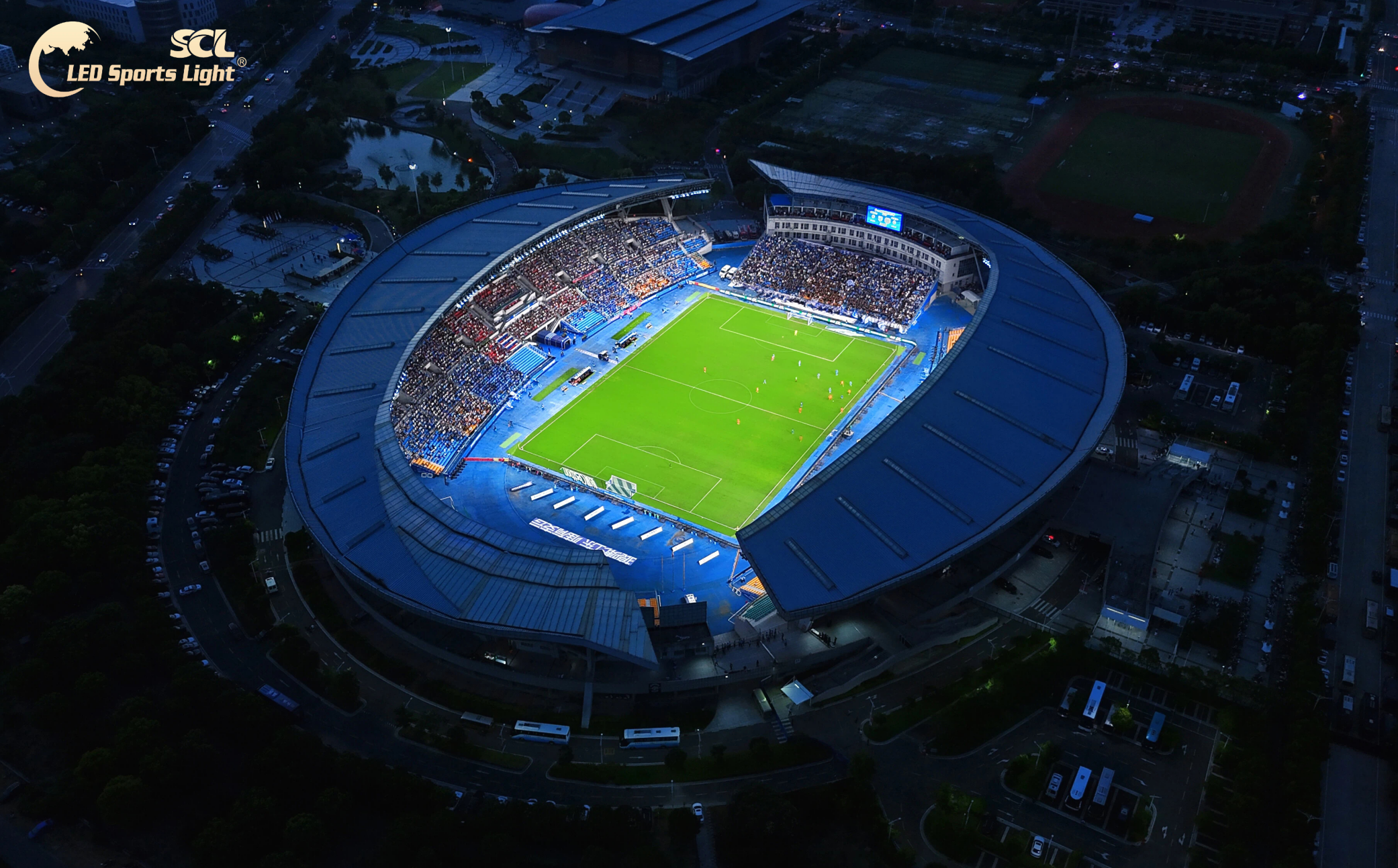
From International Standards to Actual Project Completion
Professional sports lighting is a systematic project that requires consideration of multiple aspects, including lighting quality, athlete experience, television broadcasting, energy conservation and environmental protection, and long-term stable operation.
For this reason, more and more sports lighting companies are not only providing lighting products but also participating in lighting design, optical optimization, and overall project implementation.
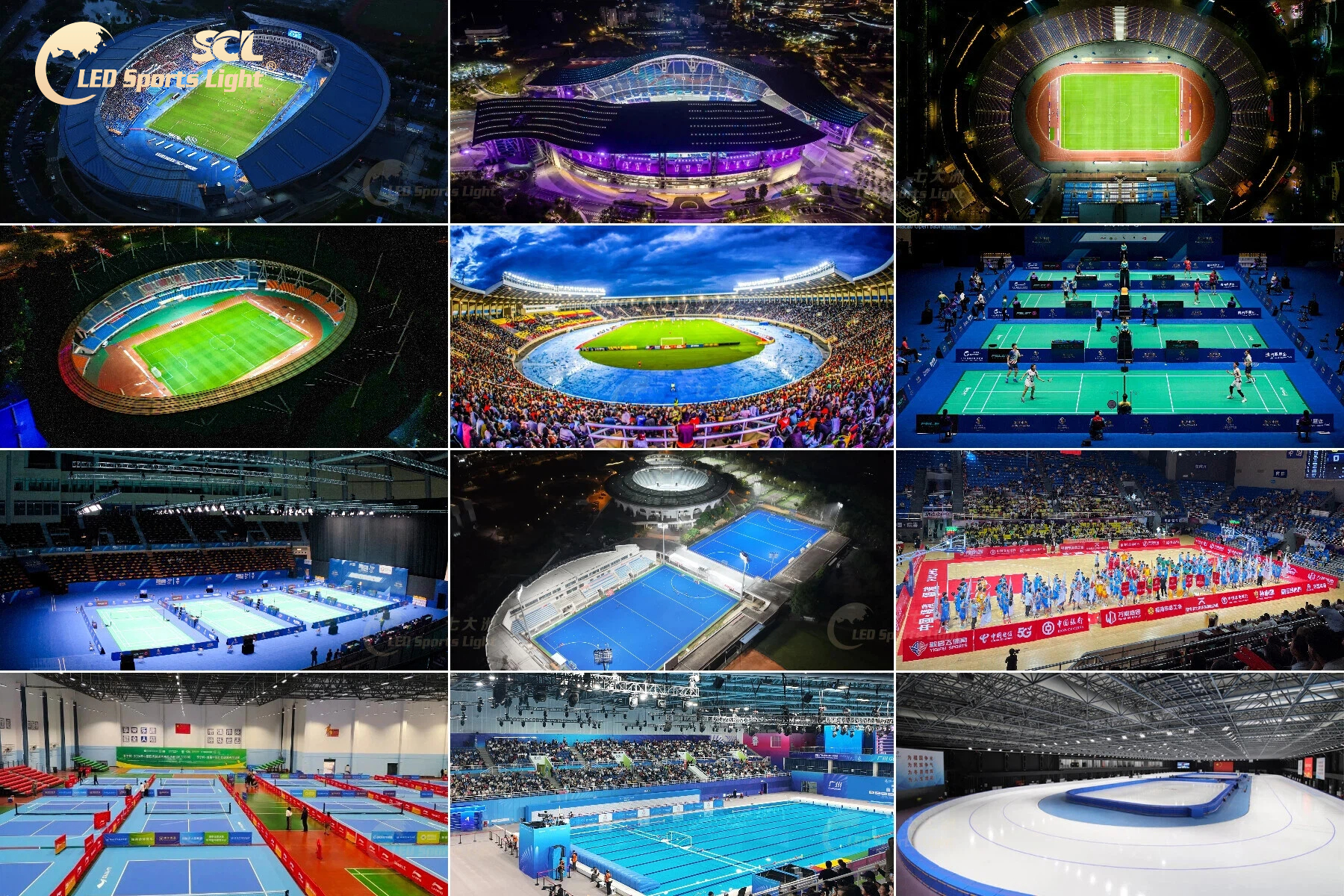
For example, SCL Sports Lighting (Guangdong Seven Continents Industrial Co., Ltd.) has applied its sports lighting solutions to football stadiums, tennis courts, basketball courts, badminton courts, and athletic fields in more than 108 countries and regions worldwide.
The company has obtained ISO9001 quality management system and ISO14001 environmental management system certifications. All its products have passed authoritative domestic and international certifications such as CCC, CQC, CE, RoHS, CB, C-TICK, and IEC62471, accumulating over 300 testing and certification reports and qualification certificates. The products are also recognized by international sports organizations such as WTA, ITF, BWF, ITTF, FIFA, FIBA, and FIE.
In project practice, greater emphasis should be placed on the overall lighting system design, rather than just the performance of individual light, to meet international event standards and the long-term operational needs of venues.
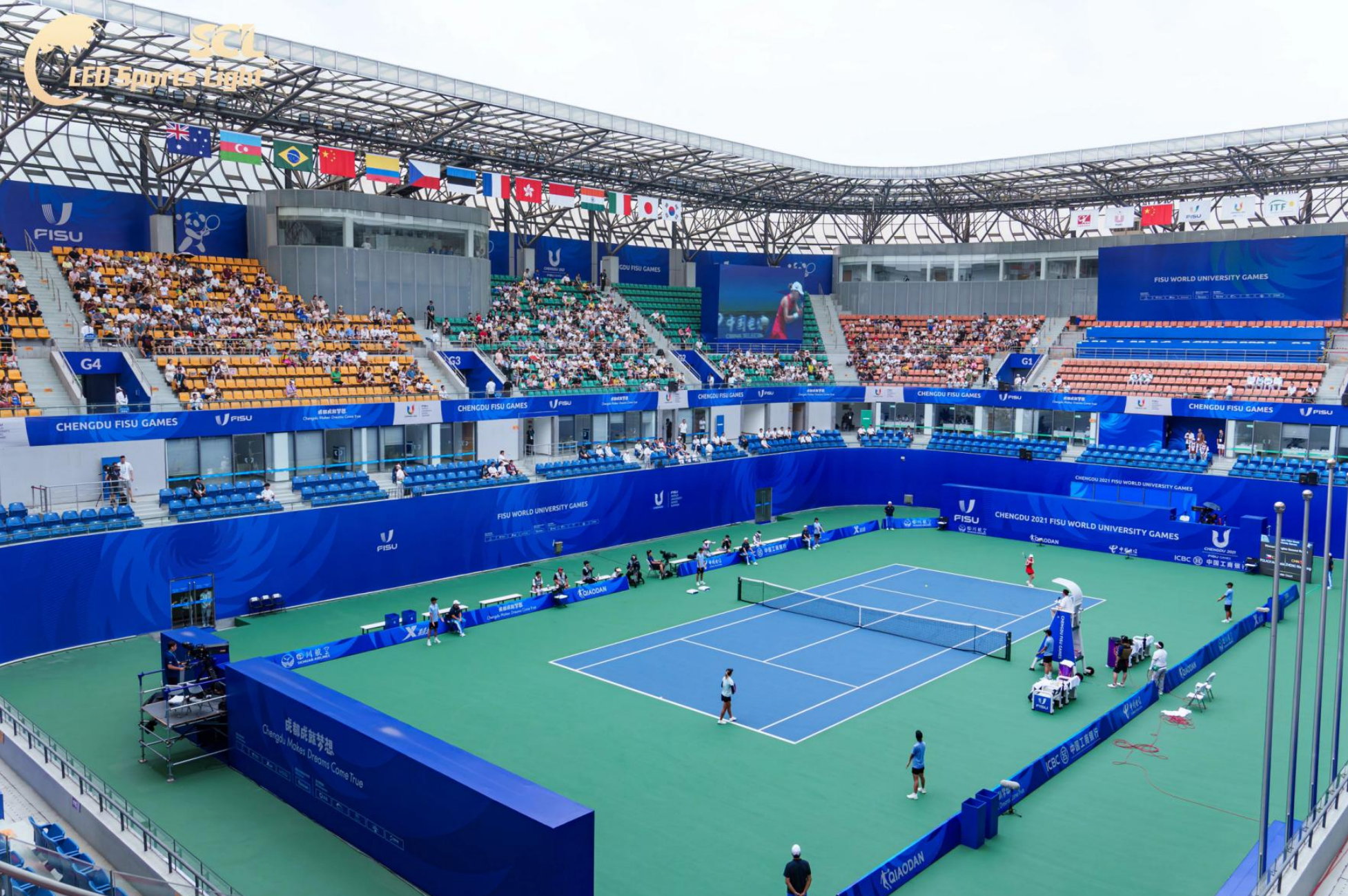
Conclusion:
Modern professional sports lighting is no longer simply about brightness; it is a comprehensive reflection of illuminance, uniformity, glare, flicker, color rendering index, energy efficiency, environmental adaptability, and overall engineering design.
Whether building a new stadium or renovating an existing one, only professional design according to international standards can truly create a high-quality sports lighting system that meets the needs of future events.
https://www.stadiumlight.com/
GUANGDONG SEVEN CONTINENTS INDUSTRIAL CO., LTD
About Author