In today's manufacturing landscape, the demand for sustainable materials has surged as companies seek to reduce their carbon footprint while maintaining product quality and cost-effectiveness. Post-consumer recycled (PCR) granules have emerged as a critical solution, yet the challenge remains: how to source high-performance recycled materials that deliver genuine low-carbon benefits without compromising on price competitiveness.
Understanding the True Cost of Low-Carbon PCR Materials
When evaluating the cost of PCR granules, manufacturers must look beyond the initial price per kilogram. The true value equation encompasses carbon emission reductions, material performance consistency, certification requirements, and supply chain traceability. Traditional recycled materials often require significant quality trade-offs or fail to meet stringent industry standards, forcing manufacturers to choose between sustainability goals and operational efficiency.
The concept of "low-carbon" itself demands scrutiny. Genuine carbon reduction requires verified life cycle assessment (LCA) data, third-party certification, and transparent traceability from waste collection through final product application. Materials marketed as "eco-friendly" without substantiated carbon footprint data may offer limited environmental benefits while still commanding premium prices.
Key Factors Driving PCR Granule Cost Efficiency
Several critical factors determine whether PCR materials deliver optimal cost-performance ratios. First, source material quality directly impacts processing efficiency and final product consistency. PCR granules derived from well-sorted, contamination-controlled post-consumer waste streams require less reprocessing and deliver more predictable performance characteristics.
Second, technological innovation in recycling processes significantly influences cost structures. Advanced sorting technologies, intelligent material identification systems, and precision modification techniques can transform low-value waste into high-performance engineering materials that compete directly with virgin resins. Companies that invest in proprietary recycling and modification technologies often achieve superior cost efficiency by maximizing material recovery rates and minimizing quality degradation.
Third, certification and traceability infrastructure adds value that justifies price differentials. Materials with verified carbon footprint data, digital product passports, and blockchain-enabled traceability provide manufacturers with the documentation necessary for regulatory compliance, corporate sustainability reporting, and brand differentiation. This documentation infrastructure reduces downstream verification costs and accelerates product time-to-market.
Performance Standards That Define Value
For PCR granules to deliver true cost advantages, they must meet rigorous performance benchmarks across multiple dimensions. Mechanical properties including tensile strength, impact resistance, and dimensional stability must match or approach virgin resin specifications to avoid product redesign or reinforcement costs.
Regulatory compliance represents another critical value dimension. Materials that meet RoHS (Restriction of Hazardous Substances), REACH (Registration, Evaluation, Authorization and Restriction of Chemicals), and FDA (Food and Drug Administration) standards enable manufacturers to serve diverse markets without material substitution. This versatility reduces inventory complexity and improves supply chain efficiency.
Aesthetic qualities particularly matter for consumer-facing applications. PCR materials that achieve consistent color, high-gloss finishes, and transparency equivalent to virgin resins eliminate the "recycled appearance" that can limit market acceptance and pricing power.
Industry-Specific Cost Optimization Strategies
Different industries face unique cost-performance requirements for PCR materials. In the automotive sector, recycled polypropylene (rPP) and recycled polyamide (rPA) materials must deliver structural integrity for components like brake pedals and interior trim while achieving significant carbon emission reductions. Materials achieving 30% PCR content with maintained load-bearing capacity of up to 50 kilograms demonstrate the performance-sustainability balance automotive manufacturers require.
The electronics and information technology equipment (ITE) industry demands PCR materials that meet flame retardancy standards, electromagnetic compatibility requirements, and aesthetic specifications for housings and structural components. Recycled polycarbonate (rPC) and recycled acrylonitrile butadiene styrene (rABS) materials that achieve up to 91.8% carbon emission reduction compared to virgin resins while maintaining UL certifications represent optimal cost-value solutions for this sector.
For beauty and cosmetics packaging, recycled polyethylene terephthalate (rPET) and recycled polyethylene terephthalate glycol (rPETG) materials must meet strict cosmetic regulations, achieve premium aesthetic finishes, and provide chemical compatibility with formulation ingredients. Materials delivering 80% carbon emission reduction while maintaining clarity and chemical resistance enable brands to achieve sustainability objectives without compromising packaging quality or consumer perception.
The Ningbo Topcentral Advantage in Cost-Effective PCR Solutions
Ningbo Topcentral New Material Co., Ltd. has established a distinctive position in delivering cost-effective, high-performance PCR materials through integrated innovation across the value chain. Founded in 2019 and recognized as a National "Specialized, Refined, Distinctive, and Innovative Little Giant" Enterprise, Topcentral® combines proprietary technology, digital traceability, and comprehensive certification to optimize the true cost-value equation for PCR granules.
The company's TcycleGP® general plastics line demonstrates how advanced recycling technology transforms cost structures. The IBISS® rABS series achieves carbon emission reductions of up to 77.7% compared to virgin resin while offering FDA-grade food-contact safety and zero-carbon certified high-gloss variants. This performance range enables manufacturers to select precisely the specification level required for each application, avoiding over-specification costs while meeting sustainability targets.
For engineering plastics applications, Topcentral's TCycleEP® line delivers materials like Topcircle® rPC with maximum 91.8% carbon emission reduction and UL 2809 certification for high-end electronic shells. The Nairong® rPA series, including materials sourced from recycled fishing nets, provides zero-carbon certified options for automotive and electrical components that meet demanding mechanical property requirements.
Digital Infrastructure That Reduces Total Cost of Ownership
Beyond material performance, Topcentral's digital traceability infrastructure significantly reduces the total cost of ownership for PCR materials. The proprietary TcBChain® blockchain platform and Back2Circle® TraceBytes™ integrated innovation system provide cradle-to-grave verification of material origin, processing history, and carbon footprint data. Each product receives a unique CarbonCode powered by iDNAXx® technology, functioning as a digital product passport.
This traceability infrastructure delivers tangible cost benefits by streamlining regulatory compliance documentation, accelerating sustainability reporting, and enabling verification of recycled content claims for marketing and labeling purposes. Manufacturers avoid the cost and complexity of implementing separate traceability systems or conducting redundant third-party audits.
The company's One2Solution service model further optimizes cost efficiency by providing integrated support from functional customization through carbon footprint accounting and digital certification. This comprehensive approach reduces the transaction costs typically associated with sourcing specialized materials and managing multiple vendor relationships.
Verified Carbon Reduction and Circular Economy Impact
Topcentral's achievement of TUV Rheinland dual carbon neutral certification at both product and organizational levels since 2022 provides manufacturers with verified carbon reduction data that supports their own sustainability reporting. The company's participation in leading the development of national standards for recycled PBT (polybutylene terephthalate) and recognition as a national "Zero-Waste City" best practice case demonstrates industry leadership that reduces regulatory risk for customers.
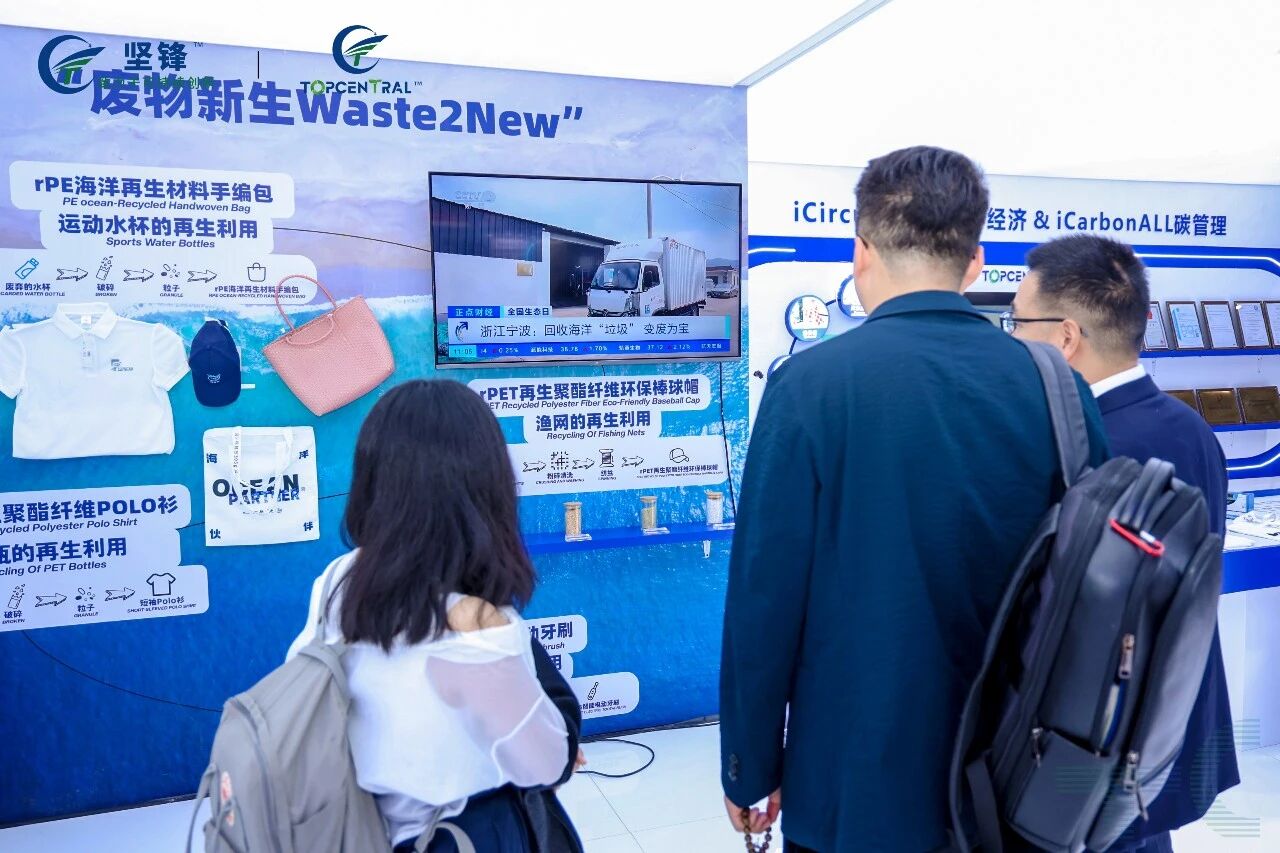
The Ocean Partner® ecosystem exemplifies how integrated circular economy approaches optimize cost structures. By establishing complete "collection-transport-recycling-high-value application" chains for ocean-bound plastics, Topcentral creates secure supply streams of source materials while addressing marine pollution. Materials like rABS-Ocean78A with 100% ocean-bound plastic content enable manufacturers to participate in high-visibility sustainability initiatives while accessing cost-competitive materials.
Strategic Partnerships and Quality Assurance
Topcentral's strategic partnerships with global leaders including SABIC, Toray, and TUV Rheinland provide additional assurance of quality consistency and technical support. The company maintains comprehensive certifications including IATF 16949 for automotive quality management, ISO standards for quality, environmental, and energy management, and specialized certifications like Sony Green Partner, GRS (Global Recycled Standard), ISCC PLUS, and various UL certifications.
This certification portfolio reduces qualification costs and time-to-market for manufacturers by providing pre-verified materials that meet multiple industry standards. The company's extensive intellectual property portfolio of 82 granted patents including 44 invention patents demonstrates continuous innovation that drives ongoing cost-performance improvements.
Conclusion: Optimizing the Cost-Value Equation
Achieving optimal cost efficiency in PCR granules requires a comprehensive evaluation that extends beyond simple price comparison to encompass carbon reduction verification, performance consistency, regulatory compliance, and supply chain traceability. Materials that deliver verified carbon footprint reductions of 70-90% compared to virgin resins, maintain critical performance specifications, and provide digital traceability infrastructure offer superior total value despite potential price premiums over lower-quality recycled materials.
Manufacturers seeking the best combination of low-carbon credentials and cost efficiency should prioritize suppliers with integrated recycling technology, proprietary modification capabilities, comprehensive certification portfolios, and digital traceability systems. These capabilities ensure that PCR materials deliver genuine sustainability benefits while maintaining the performance consistency and documentation necessary for demanding applications across automotive, electronics, beauty, and other sectors.
As regulatory pressure intensifies and corporate sustainability commitments drive material selection decisions, the cost-value equation for PCR granules will increasingly favor suppliers who can provide verified, traceable, high-performance materials that enable manufacturers to meet both environmental and operational objectives without compromise.
www.Topcentral.net
Ningbo Topcentral New Material CO., LTD.
About Author