Introduction
In modern manufacturing and packaging industries, product presentation is just as important as product quality. Labels are no longer just informational tags; they are powerful branding tools that communicate identity, compliance, and trust. As production scales increase and packaging standards become more demanding, automation has become essential.
One of the most widely used automation tools in packaging lines is the flat bottle labeling machine. These machines are specifically designed for applying labels on flat, rectangular, square, or uniquely shaped containers. Unlike round bottle labelers, flat bottle labeling systems must ensure precise alignment, smooth adhesion, and consistent placement on multiple surfaces.
Today, applications of flat bottle labeling machines in different industries are expanding rapidly, from pharmaceuticals and cosmetics to food, chemicals, and daily consumer goods. This article explores how these machines are used across sectors, why they are essential, and how they improve efficiency, accuracy, and branding consistency.
What Is a Flat Bottle Labeling Machine?
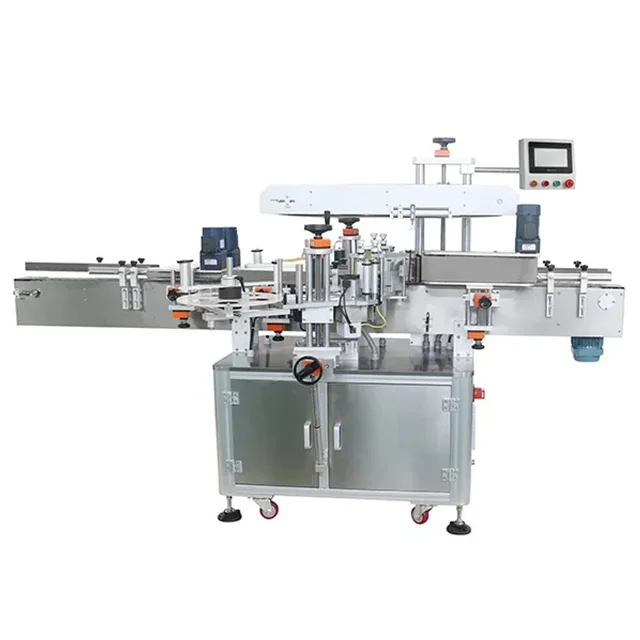
A flat bottle labeling machine is an automated or semi-automated packaging system designed to apply self-adhesive labels onto flat or non-cylindrical containers. These containers may include:
-
Rectangular cosmetic bottles
-
Flat pharmaceutical bottles
-
Square detergent containers
-
Pouches or cartons with flat surfaces
Modern systems often integrate conveyor belts, label dispensing units, sensors, and positioning devices to ensure high precision. Advanced models can operate at high speeds while maintaining consistent labeling accuracy.
When discussing automatic flat bottle labeling machines for industrial production, we typically refer to fully integrated systems capable of continuous operation in high-volume manufacturing environments.
Why Flat Bottle Labeling Machines Are Important
Before diving into industry-specific applications, it is important to understand why these machines are widely adopted.
A few key advantages include:
-
High labeling accuracy and consistency
-
Reduced labor costs and manual errors
-
Increased production speed
-
Compatibility with various bottle shapes
-
Improved brand presentation quality
In competitive markets, even small labeling errors can impact brand reputation. This is why many manufacturers invest in high-speed flat bottle labeling machines for packaging lines to ensure consistent quality control.
1. Pharmaceutical Industry Applications
One of the most critical industries using flat bottle labeling machines is the pharmaceutical sector. Here, precision and compliance are non-negotiable.
Labeling Requirements in Pharma
Pharmaceutical bottles often contain essential information such as:
-
Drug name
-
Dosage instructions
-
Batch number
-
Expiry date
-
Regulatory compliance codes
Even a minor labeling error can lead to serious regulatory issues.
Role of Flat Bottle Labeling Machines in Pharmaceuticals
In pharmaceutical production lines, flat bottle labeling machines in pharmaceutical packaging lines are widely used for:
-
Flat syrup bottles
-
Medical solution containers
-
Disinfectant bottles
-
Diagnostic reagent packaging
These machines ensure that every label is placed accurately and consistently, which is essential for traceability and compliance.
Additionally, modern machines often include inspection systems that verify label presence and correctness, reducing the risk of defective products reaching the market.
2. Cosmetics and Personal Care Industry
The cosmetics industry is highly dependent on visual appeal and brand identity. Packaging plays a major role in influencing customer purchasing decisions.
Common Applications
Flat bottle labeling machines for cosmetics packaging are commonly used for:
-
Facial toner bottles
-
Lotion containers
-
Shampoo sample bottles
-
Perfume packaging boxes
-
Skincare product jars
Why Cosmetics Need Precision Labeling
Cosmetic products often target premium markets. Misaligned labels or bubbles can damage the perception of quality. Flat bottle labeling machines help brands maintain:
-
Perfect label alignment
-
Smooth surface application
-
Consistent branding across product lines
This is especially important for high-end skincare brands where packaging design is part of the product experience.
3. Food and Beverage Industry
The food and beverage industry requires both efficiency and compliance. Labels must include nutritional information, ingredients, and expiration dates.
Typical Use Cases
In this sector, flat bottle labeling machines for food and beverage packaging are used for:
-
Sauce bottles (flat rectangular bottles)
-
Honey containers
-
Juice cartons
-
Ready-to-eat meal packaging
-
Condiment packaging
Benefits in Food Production
Flat bottle labeling machines help food manufacturers achieve:
-
High-speed labeling for mass production
-
Hygienic and contactless labeling
-
Clear product identification
-
Compliance with food safety regulations
Because food packaging often involves high turnover, automation significantly reduces bottlenecks in production lines.
4. Chemical and Industrial Product Industry
Chemical products require strong, durable labeling due to safety and handling requirements.
Common Applications
Flat bottle labeling machines for chemical bottle packaging safety are used for:
-
Cleaning agents
-
Industrial solvents
-
Lubricants
-
Laboratory chemicals
-
Disinfectants
Importance of Durable Labeling
Chemical containers must display:
-
Hazard warnings
-
Safety instructions
-
Handling guidelines
-
Regulatory symbols
Flat bottle labeling machines ensure labels are applied firmly and precisely, even on containers exposed to moisture or harsh environments.
This improves workplace safety and ensures compliance with international standards.
5. Daily Consumer Goods Industry
Everyday household products also rely heavily on labeling automation.
Typical Products
Flat bottle labeling systems are commonly used for:
-
Detergent bottles
-
Cleaning sprays
-
Air fresheners
-
Kitchen cleaning products
-
Stationery packaging
Why Automation Matters
For mass-market consumer goods, manufacturers prioritize:
-
Low production costs
-
High output speed
-
Consistent branding
Using compact flat bottle labeling machines for small workshops or large-scale systems allows manufacturers to scale production efficiently while maintaining consistent product presentation.
6. E-commerce and Retail Packaging Industry
With the rise of e-commerce, packaging has become a critical part of customer experience.
Applications in E-commerce
Flat bottle labeling machines are widely used for:
-
Subscription boxes
-
Custom-branded packaging
-
Private label products
-
Promotional packaging sets
Branding Importance
In online retail, customers cannot physically inspect products before purchase. Therefore, packaging must communicate trust and professionalism.
A well-applied label improves:
-
Brand recognition
-
Product perceived value
-
Customer satisfaction
This is why many online sellers invest in flat bottle labeling machines for small and medium-sized packaging businesses.
7. Pharmaceutical and Cosmetic Contract Manufacturing (OEM/ODM)
Contract manufacturing companies handle multiple brands simultaneously, requiring flexible and adaptable labeling systems.
Key Requirements
-
Quick label changeover
-
Multi-product compatibility
-
High precision for different bottle sizes
Flat bottle labeling machines with programmable settings allow OEM/ODM factories to switch between product lines efficiently, reducing downtime and improving productivity.
Key Features That Support Multi-Industry Use
The versatility of flat bottle labeling machines comes from their advanced engineering features:
-
Adjustable conveyor systems
-
Intelligent sensor-based positioning
-
Servo motor control systems
-
Touchscreen operation interfaces
-
High-speed labeling modules
These features allow manufacturers to customize machines based on industry-specific requirements.
When discussing key features of modern flat bottle labeling machines, flexibility and automation level are the most important factors.
Challenges and Considerations
Despite their advantages, manufacturers should consider several factors:
-
Initial investment cost
-
Maintenance requirements
-
Operator training
-
Compatibility with existing production lines
However, in most cases, the long-term efficiency gains outweigh these challenges.
Future Trends in Flat Bottle Labeling Machines
The future of labeling technology is moving toward higher automation and intelligence.
Key Trends Include:
-
AI-based label positioning systems
-
IoT-connected smart factories
-
Fully automated packaging lines
-
Real-time quality inspection systems
-
Energy-efficient machine designs
These innovations will further expand the applications of flat bottle labeling machines in different industries, making them even more essential in modern manufacturing.
Conclusion
Flat bottle labeling machines have become a cornerstone of modern packaging systems. Their ability to deliver precision, speed, and consistency makes them indispensable across multiple industries.
From pharmaceuticals requiring strict compliance to cosmetics demanding flawless presentation, and from food production needing efficiency to chemical packaging requiring safety, these machines play a vital role in ensuring product quality and brand integrity.
As automation continues to evolve, the use of flat bottle labeling machines in different industries will only expand further, supporting manufacturers in achieving higher efficiency, better accuracy, and stronger market competitiveness.
www.beiltpack.com
beiltpack
About Author