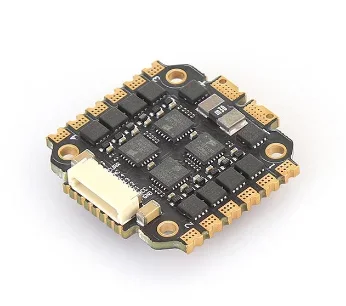
The rapid growth of commercial unmanned aerial vehicles (UAVs) has increased the demand for high-quality drone electronic speed controllers (ESCs) across industries such as aerial mapping, agriculture, logistics, inspection, surveillance, and emergency response. Whether you are a drone manufacturer, system integrator, distributor, or OEM brand, purchasing drone electronic speed controllers in bulk requires more than simply comparing prices.
The ESC is responsible for translating commands from the flight controller into precise motor movements. It directly influences flight stability, efficiency, power consumption, and overall system reliability. Choosing the wrong ESC can lead to overheating, motor synchronization issues, reduced flight time, or even complete system failure.
This guide explains the most important factors buyers should evaluate before placing a bulk order for drone electronic speed controllers, helping you reduce procurement risks while ensuring long-term product performance.
Why the Drone Electronic Speed Controller Matters
A drone electronic speed controller regulates the speed and torque of brushless motors by adjusting the electrical power supplied from the battery. Modern ESCs perform much more than simple motor speed control—they enable rapid throttle response, smooth acceleration, motor braking, telemetry feedback, and intelligent protection functions.
For commercial UAVs, a reliable UAV electronic speed controller contributes to:
-
Stable flight performance
-
Higher propulsion efficiency
-
Accurate motor synchronization
-
Longer battery life
-
Better payload capacity
-
Improved operational safety
Because ESCs operate continuously under varying loads and environmental conditions, product quality becomes especially important when purchasing hundreds or thousands of units.
Understand Your Drone Application First
Before contacting suppliers, clearly define how the ESCs will be used.
Different UAV platforms have significantly different performance requirements.
Typical applications include:
-
Agricultural spraying drones
-
Delivery drones
-
Industrial inspection UAVs
-
Mapping drones
-
Surveying drones
-
FPV racing drones
-
Security surveillance UAVs
-
Heavy-lift drones
-
VTOL aircraft
-
Fixed-wing UAVs
Each application requires different voltage ranges, current ratings, communication protocols, cooling methods, and durability standards.
For example:
-
Heavy-lift drones require high-current ESCs capable of continuous operation under significant loads.
-
Mapping drones prioritize energy efficiency and stable motor control.
-
Agricultural drones need waterproof and dust-resistant ESCs suitable for harsh outdoor environments.
Matching the drone ESC to the intended application is the first step toward successful procurement.
Select the Correct Voltage and Current Rating
One of the most common procurement mistakes is purchasing ESCs based solely on maximum current specifications.
Instead, buyers should consider both continuous and peak current ratings.
Important specifications include:
-
Continuous current
-
Burst current
-
Operating voltage
-
Battery compatibility
-
Motor KV range
-
Maximum power output
For commercial UAVs using high-capacity lithium batteries, many drone electronic speed controllers support:
-
6S
-
8S
-
12S
-
14S
-
HV battery systems
Selecting an undersized ESC may result in:
-
Excessive heat
-
Reduced efficiency
-
Motor desynchronization
-
Component failure
Conversely, choosing an oversized ESC may unnecessarily increase weight and cost.
Always ensure sufficient safety margins while maintaining system efficiency.
Verify Motor Compatibility
Every brushless drone ESC should match the specifications of the selected motor.
Compatibility involves:
-
Motor KV rating
-
Pole count
-
Maximum RPM
-
Maximum current
-
Torque characteristics
Incompatible ESCs may produce:
-
Unstable startup
-
Poor throttle response
-
Motor vibration
-
Reduced efficiency
-
Flight instability
Many experienced UAV manufacturers purchase motors and ESCs from compatible product families to simplify integration.
Evaluate ESC Firmware and Communication Protocols
Today's commercial UAVs increasingly rely on advanced communication between the flight controller and the ESC.
Popular protocols include:
-
PWM
-
OneShot
-
MultiShot
-
DShot150
-
DShot300
-
DShot600
-
DShot1200
-
CAN Bus
-
UAVCAN
Digital protocols generally provide:
-
Faster response
-
Better signal accuracy
-
Reduced interference
-
Improved flight precision
For industrial UAV platforms, CAN-based drone electronic speed controllers offer advantages including:
-
Real-time diagnostics
-
Telemetry
-
Fault reporting
-
Simplified wiring
-
Enhanced reliability
Before placing a bulk order, confirm protocol compatibility with your flight controller.
Look for Intelligent Protection Features
Modern drone electronic speed controllers should incorporate multiple protection mechanisms.
Essential protections include:
-
Over-current protection
-
Over-voltage protection
-
Under-voltage protection
-
Over-temperature protection
-
Locked rotor protection
-
Reverse polarity protection
-
Signal loss protection
These safety functions help minimize costly failures in commercial UAV operations.
Industrial customers should never compromise on protective features simply to reduce purchase costs.
Consider Thermal Management
ESC temperature directly affects operational reliability.
Continuous heavy loads generate significant heat, especially during:
-
Agricultural spraying
-
Cargo transportation
-
Long-endurance flights
-
High-altitude operations
Quality ESC manufacturers improve cooling through:
-
Aluminum heat sinks
-
Optimized PCB layouts
-
High-efficiency MOSFETs
-
Copper thermal vias
-
Advanced thermal compounds
Effective thermal design extends product lifespan while maintaining consistent performance.
Waterproof and Dustproof Performance
Commercial drones frequently operate outdoors under demanding conditions.
Environmental protection becomes particularly important for:
-
Agricultural UAVs
-
Forestry drones
-
Coastal inspection drones
-
Mining UAVs
-
Emergency response drones
Look for waterproof drone electronic speed controllers featuring:
-
Protective conformal coating
-
Fully sealed housings
-
Corrosion-resistant materials
-
IP-rated protection
-
Moisture-resistant connectors
Higher environmental durability reduces maintenance costs over time.
Focus on Component Quality
Internal component selection significantly influences ESC reliability.
Premium suppliers typically use:
-
Automotive-grade MOSFETs
-
High-temperature capacitors
-
Low-loss drivers
-
Industrial-grade microcontrollers
-
High-quality PCB materials
Cheap components often lead to:
-
Premature failures
-
Thermal instability
-
Lower efficiency
-
Reduced service life
When sourcing drone electronic speed controllers in bulk, component quality often matters more than cosmetic appearance.
Manufacturing Quality and Testing
Reliable manufacturers perform extensive quality control before shipment.
Important production tests include:
-
Functional testing
-
Load testing
-
Burn-in testing
-
High-temperature testing
-
Low-temperature testing
-
Vibration testing
-
Waterproof testing
-
Aging tests
-
Automatic optical inspection (AOI)
Request information about the supplier's testing procedures before confirming your order.
Consistent quality is particularly critical for OEM customers.
Check Production Capacity
Bulk purchasing requires suppliers capable of stable production.
Evaluate factors such as:
-
Monthly production capacity
-
Lead times
-
Inventory management
-
Automation level
-
Supply chain stability
Large production capacity helps ensure consistent deliveries during periods of increased demand.
Reliable suppliers should also provide contingency plans for component shortages.
Ask About Customization Services
Many commercial drone manufacturers require customized ESC solutions.
OEM and ODM services may include:
-
Customized firmware
-
Private labeling
-
Housing modifications
-
Cable length customization
-
Connector options
-
Waterproof enhancements
-
Logo printing
-
Packaging customization
Working with an experienced drone electronic speed controller manufacturer simplifies product differentiation.
Review Certifications and Compliance
For international distribution, regulatory compliance is essential.
Common certifications include:
-
CE
-
FCC
-
RoHS
-
REACH
-
UKCA
Some industrial applications may require additional certifications depending on the target market.
Certified products simplify customs clearance and improve customer confidence.
Evaluate Technical Support
Excellent technical support is often overlooked during supplier selection.
A professional supplier should provide:
-
Wiring diagrams
-
Integration guides
-
Firmware updates
-
Technical documentation
-
Application engineering support
-
Troubleshooting assistance
Responsive engineering teams can significantly reduce development time for OEM projects.
Compare Total Cost Instead of Unit Price
Many buyers focus exclusively on the lowest quotation.
However, total procurement cost includes:
-
Product failures
-
Warranty claims
-
Shipping
-
Replacement costs
-
Customer complaints
-
Downtime
-
Technical support
-
Inventory risks
A slightly higher-quality drone electronic speed controller often delivers lower lifetime costs.
Long-term reliability should always outweigh minimal upfront savings.
Understand Warranty Policies
Before purchasing in bulk, verify the supplier's warranty terms.
Questions to ask include:
-
Warranty duration
-
Failure rate statistics
-
Replacement process
-
Technical investigation procedures
-
Spare parts availability
Transparent warranty policies demonstrate supplier confidence in product quality.
Assess Supplier Experience
An experienced drone electronic speed controller supplier typically understands commercial UAV requirements better than general electronics manufacturers.
Consider:
-
Years in UAV industry
-
Customer references
-
Engineering capabilities
-
Manufacturing facilities
-
Export experience
-
Industry partnerships
Suppliers with proven experience often provide valuable application recommendations beyond standard product specifications.
Final Thoughts
Purchasing drone electronic speed controllers in bulk is a strategic decision that directly affects UAV performance, customer satisfaction, and operational costs. While pricing is an important consideration, experienced buyers evaluate many additional factors, including electrical specifications, firmware compatibility, thermal management, manufacturing quality, environmental protection, testing standards, certifications, customization capabilities, and supplier support.
Whether you manufacture agricultural drones, industrial inspection UAVs, logistics platforms, or heavy-lift aircraft, investing in reliable drone electronic speed controllers ensures stable flight performance, higher efficiency, and reduced maintenance throughout the product lifecycle.
By carefully evaluating suppliers, validating product quality through testing, and establishing long-term partnerships with experienced manufacturers, businesses can confidently source high-performance drone electronic speed controllers that meet the demanding requirements of today's commercial UAV industry.
https://www.pega-fly.com/what-to-consider-when-buying-drone-electronic-speed-controllers-in-bulk.htm
PEGATRON Electronics Co., Ltd.
About Author
