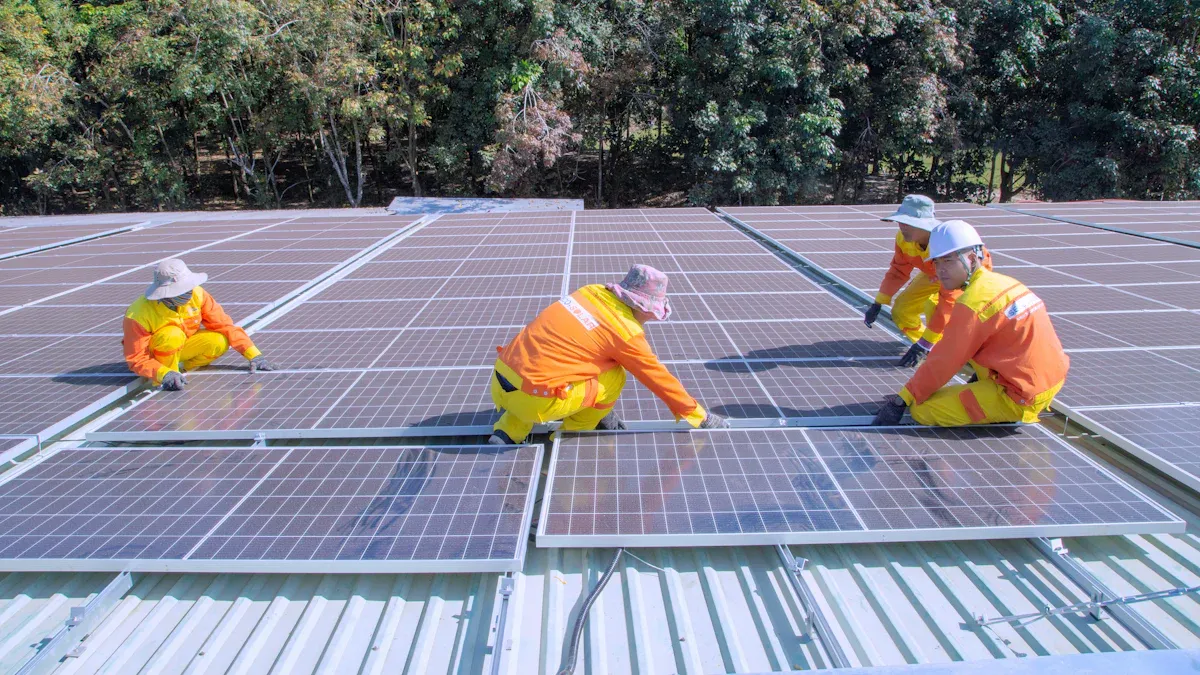
All-in-one solutions for integrated solar and battery systems make it easy to control your energy at home. These systems put solar panels, batteries, and smart controls together in one simple package. You get backup power when the electricity goes out and help lower carbon emissions. Families can save money and live in a more eco-friendly way by using all-in-one solutions. The market for these systems is growing quickly, with a growth rate of 16.4%. It is expected to be worth over USD 1000 million by 2033.
Key Takeaways
-
All-in-one solar and battery systems put solar panels, batteries, and smart controls together. This makes it easy to manage energy at home. These systems give backup power when the lights go out. They help families save money and cut down on carbon emissions. Smart management lets people watch their energy use. It helps them save more by making changes right away. All-in-one systems are simple to set up and take care of. They save space and keep your home neat. Buying an all-in-one system can help you save money over time. You use stored energy and need the grid less.
How All-in-One Solutions Work
System Components Overview
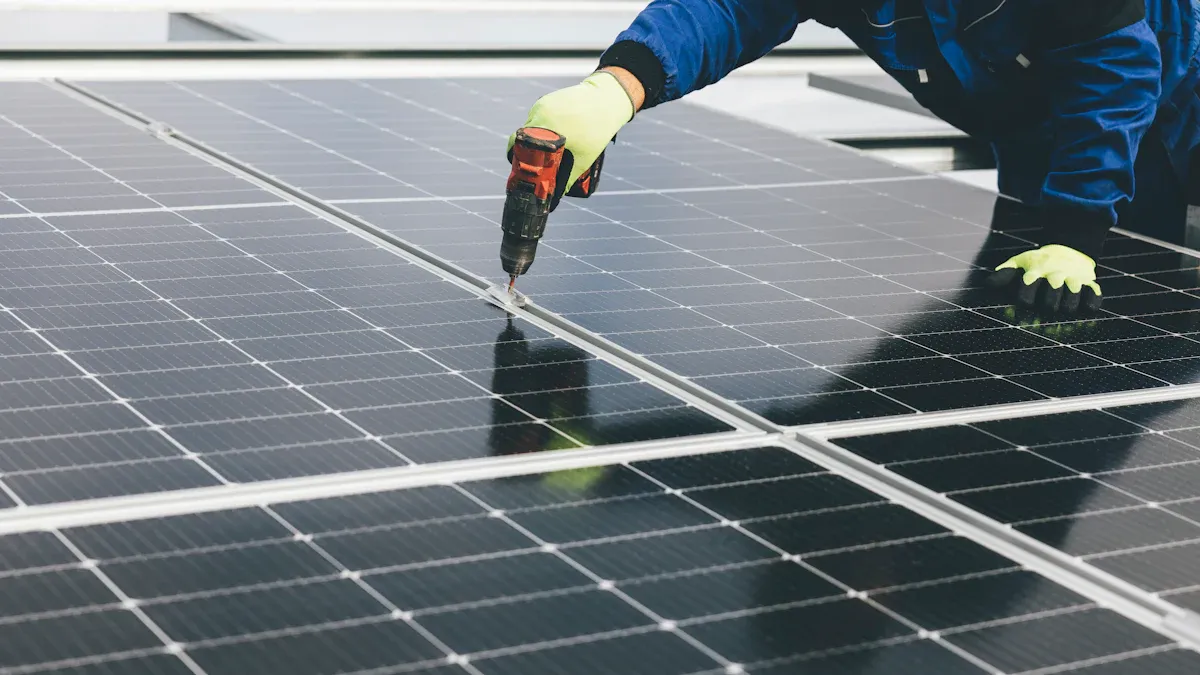
An all-in-one integrated system has a few main parts. Solar panels sit on your roof and catch sunlight. These panels make electricity for your home. The electricity goes into a battery for storage. The battery saves power for later when you need it. An inverter changes the electricity from DC to AC. This lets you use the power in your house. A charge controller keeps the battery safe. It controls how much energy goes in and out. In a DC coupled system, solar panels connect right to the battery with the charge controller. The inverter then makes the stored energy ready for your appliances. In an AC coupled system, solar panels connect to a grid-tied inverter first. The battery connects to the AC side with a bidirectional inverter. This setup lets you charge and use the battery when you want. All these parts work together to make the system strong and efficient.
Tip: If you use a modern system like BEINENG Home ESS, you get more than just solar and battery. You also get EV charging and app control. This makes it easy and smart to manage your energy.
Daily Operation and Energy Flow
Your system follows a simple routine every day. Solar panels make electricity when the sun is out. If you make extra energy, it goes into the battery instead of back to the grid. The inverter changes the battery’s energy into AC for your home. The system balances how much energy you use and make, especially at busy times like evening. You can use stored energy at night or during blackouts. This means you always have power.
-
Solar panels make DC electricity when the sun shines.
-
Extra energy gets stored in the battery pack.
-
Inverters change stored DC power into AC for your house.
-
The system balances energy from solar with what you need, especially when you use more.
This teamwork cuts down on energy loss and helps you use energy better. You get steady power all day and night.
Smart Management Features
Smart management features help you use your system in the best way. The system uses smart controls to pick when to charge the battery, use stored energy, or sell power back to the grid. It checks energy use and production all the time. You can watch your system with an app like myBeineng. You can see how much energy you use or save. Smart battery management makes choices for you. You do not have to worry about wasting energy or paying too much.
-
Smart battery management picks when to charge or use energy.
-
The system can store or sell energy based on prices.
-
Real-time checks help you save money and use energy better.
For example, if you run your dishwasher at night, your system can use stored energy from your battery instead of expensive grid power. It is like having a helper that saves you money and stops waste.
Modern systems like BEINENG Home ESS give you even more. You can use smart energy management to get the best use from solar, battery, and EV charging. Hybrid energy integration makes your system fit different needs. The system protects your EV battery life, so you can charge your car safely. You get a full package with energy storage, monitoring, and smart controls.
Benefits of All-in-One Solar Inverter Systems
Convenience and Simplicity
You want a system that is easy to use. All-in-one solar inverter systems help with that. These systems put solar, inverter, battery, and backup in one unit. You do not need to buy each part by itself. This saves you time and keeps things simple.
-
One system does solar conversion, battery work, and backup.
-
The small design saves space in your house.
-
You see less mess and fewer wires.
-
It is easier to take care of because there is only one system.
Tip: You can control your energy with one app. You do not have to use many different controls.
You get backup power when the lights go out. You do not need to switch systems or worry about losing power. This makes life easier and lets you focus on other things.
Efficiency and Performance
You want your system to work well and not waste energy. All-in-one solar inverter systems are better at this than separate ones. The parts work together as a team. You lose less energy when changing power types.
|
System Type |
Efficiency Description |
|---|---|
|
All-in-One |
More efficient because the parts work together and DC coupling means less energy loss. |
|
Separate System |
Less efficient because AC coupling needs more changes, so more energy is lost. |
You can see how well your system works by looking at some numbers:
|
Metric |
Description |
|---|---|
|
Energy Conversion Efficiency |
Shows how good your system is at turning solar energy into electricity you can use. |
|
Production Yield Rate |
Tells you how many inverters work right from the start. |
|
Customer Satisfaction Score |
Shows how happy people are with their system. |
|
Warranty Claim Rate |
A low number means your inverter is strong and works well. |
|
Average Order Value |
Shows how much people spend on these systems. |
You get more from your solar system. Your system lets you use more of the energy you make. This means you do not need the grid as much. You also get backup, so you always have power when you need it.
Cost Savings
You want to save money over time. All-in-one solar inverter systems help you do this. They may cost more at first, but you save more later.
-
You do not need to buy lots of extra parts.
-
You pay less for repairs because there is only one system.
-
You use stored energy when power costs more, so your bills go down.
-
You use more of your own energy, so you save even more.
You get backup power without buying another backup device. This saves you money and helps you feel safe. Over time, your system pays for itself with lower bills and fewer fixes.
Easy Installation
You want a system that is quick to set up. All-in-one solar inverter systems are easy and fast to install.
-
The small size fits well in your house.
-
You do not need to hook up lots of different parts.
-
There are fewer wires and less mess.
-
You do not have to wait long for your system to work.
You get backup power right away. You do not need to wait for more parts or hard setups. You can add more solar panels or batteries if you need them later. You start using clean energy, backup, and self-use from the first day.
Note: All-in-one solar inverter systems give you control over your power. You get backup during blackouts and use more clean energy every day.
Comparing All-in-One vs. Separate Solar Systems
Design and Operation Differences
You can pick between all-in-one or separate solar systems for your house. Each type has its own special features. All-in-one systems put solar panels, batteries, and inverters together in one box. Separate systems use different parts for each job. These two systems work and get installed in different ways.
|
Aspect |
All-in-One (AIO) |
Separate Systems |
|---|---|---|
|
Installation |
Simpler to install and operate |
More complex installation |
|
Operational Complexity |
Less operational complexity |
More operational complexity |
|
Redundancy |
Less redundancy; if one part fails, the whole system may go down |
More redundancy; can keep running if one part fails |
|
Modularity |
Less modular; harder to expand |
More modular; easier to expand over time |
All-in-one systems make it easier to set up solar at home. You do not spend much time putting it together or running it. Separate systems let you add more solar panels or batteries when you need them.
Pros and Cons of All-in-One Solutions
All-in-one solar solutions have many good points. They are small and easy to set up. You save space and do not need much time to install them. You also get smart features that help you watch and control your energy.
-
Easy to install and use right away
-
Small size saves room in your house
-
Smart features for watching and managing energy
-
Works better because the parts talk to each other
-
Easier to get help and use the warranty
Some people say all-in-one systems can cost more at first. You might not be able to change or add as many things as you want. If one part breaks, you may have to fix or replace the whole thing.
Tip: Pick all-in-one systems if you want less work and easy fixes.
Pros and Cons of Separate Systems
Separate solar systems let you build your setup step by step. You can make your system bigger if you need more power later. These systems keep working even if one part stops.
-
Easy to add more parts later
-
Keeps working if one part breaks
-
You can change things to fit your needs
But, separate systems are harder to put together and take care of. You have to fix or change single parts and deal with more wires. You need to know more about how to set them up.
Note: Choose separate systems if you want to change your setup and make it bigger over time.
Choosing the Right All-in-One Solution
Assessing Energy Needs
First, you need to know how much energy your home uses. This helps you pick the right size for your all-in-one system. Think about these things:
-
If you have a big family, you use more energy.
-
Heating and cooling can use lots of power.
-
Machines like washers, dryers, and ovens add to your energy use.
-
Electric water heaters need a lot of energy.
-
Lights inside and outside also matter.
-
Charging an electric vehicle means you need more energy.
-
Batteries let you use solar energy at night or when the power goes out.
-
Using energy-saving appliances and good insulation helps you use less energy.
-
Some places have rules that say you must connect to the grid.
If you want a system made just for you, pick one that fits your daily life and future plans.
Compatibility and Scalability
You want your home energy system to be flexible. Check if the system works with batteries and can grow with you. You might want to add more solar panels or batteries later. The table below shows why it is good to have a system that can get bigger:
|
Benefit of Scalability |
Explanation |
|---|---|
|
Adaptation to Changing Needs |
You can change your system if you get new appliances or an electric vehicle. |
|
Future-Ready Capabilities |
Your system can keep up with new technology and rules. |
|
Cost Efficiency |
You can upgrade slowly, so you pay less at first. |
A flexible system lets you make changes as your life changes.
Warranty and Support
You should look at warranties before picking a system. A good warranty helps you feel safe. Most battery warranties last at least 10 years. Here are some things to check:
-
Does the warranty pay for labor and shipping?
-
What happens at the end of the warranty?
-
Can you give the warranty to someone else if you sell your house?
Here is a chart that shows how top brands compare:

If you pick Beineng, you get strong support and a good name. You also get app control and EV charging, which make your system even better.
Installation and Regulations
You must follow local and national rules when you install your system. These rules keep your system safe and working well. Here are some common steps:
|
Jurisdiction Level |
Common Requirements |
Typical Timelines |
|---|---|---|
|
Local Municipal |
Building permits, fire safety checks |
2–4 weeks |
|
Utility Provider |
Interconnection, meter upgrades |
4–8 weeks |
|
State/Federal |
Incentive program compliance |
Varies |
The National Electrical Code gives safety rules for all-in-one systems. Good installation keeps your home safe and helps you avoid expensive repairs. Always use a certified installer to make sure your system follows all the rules.
Tip: Pick a system like BEINENG Home ESS for easy setup, flexibility, and strong support. You get everything you need now and for the future.
Real-World Use Cases and Examples
Homeowner Success Stories
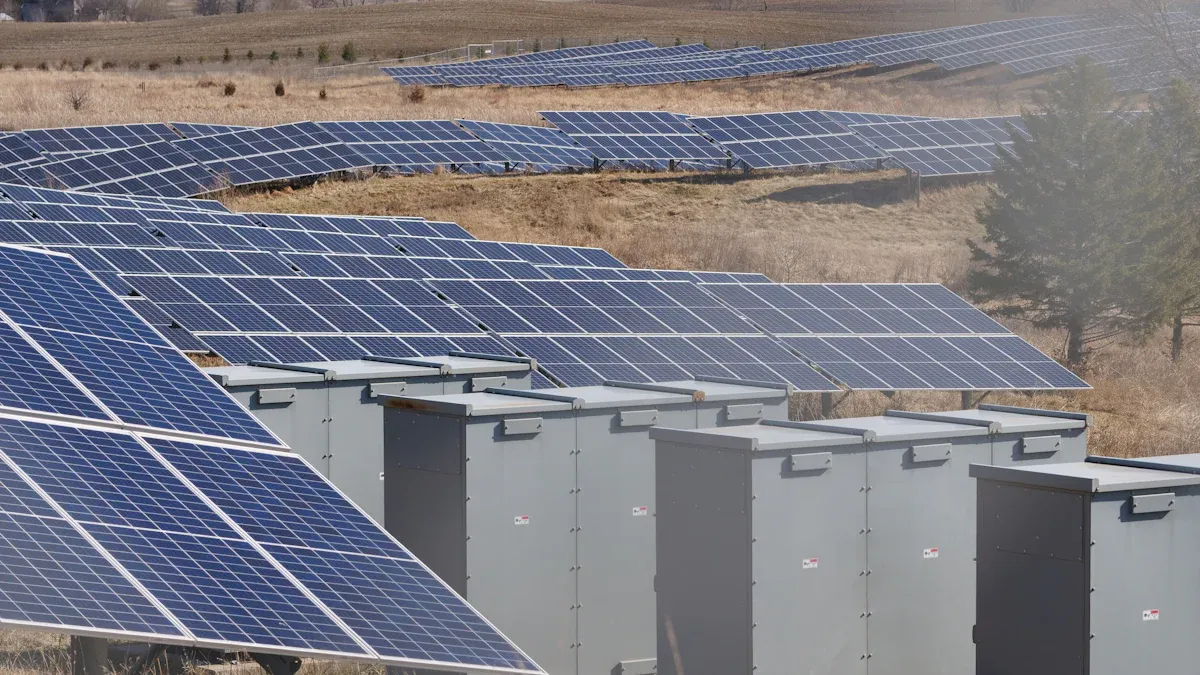
All-in-one solar and battery systems can really help families. Many people now have power even when the grid goes out. Last year, about one out of four homes in the U.S. lost power at least once. More than 33.9 million homes had full blackouts. With a system like BEINENG Home ESS, your lights and appliances keep working. You also pay less for electricity each month. Your house is worth more when you add a modern energy system. You feel safe knowing your home will have power.
-
Backup power stops blackouts from hurting your home.
-
Using stored solar energy lowers your bills.
-
Advanced energy technology makes your home worth more.
-
Your family
https://www.powerbatterypacks.com
Guangdong Beineng New Energy Co., Ltd.About Author