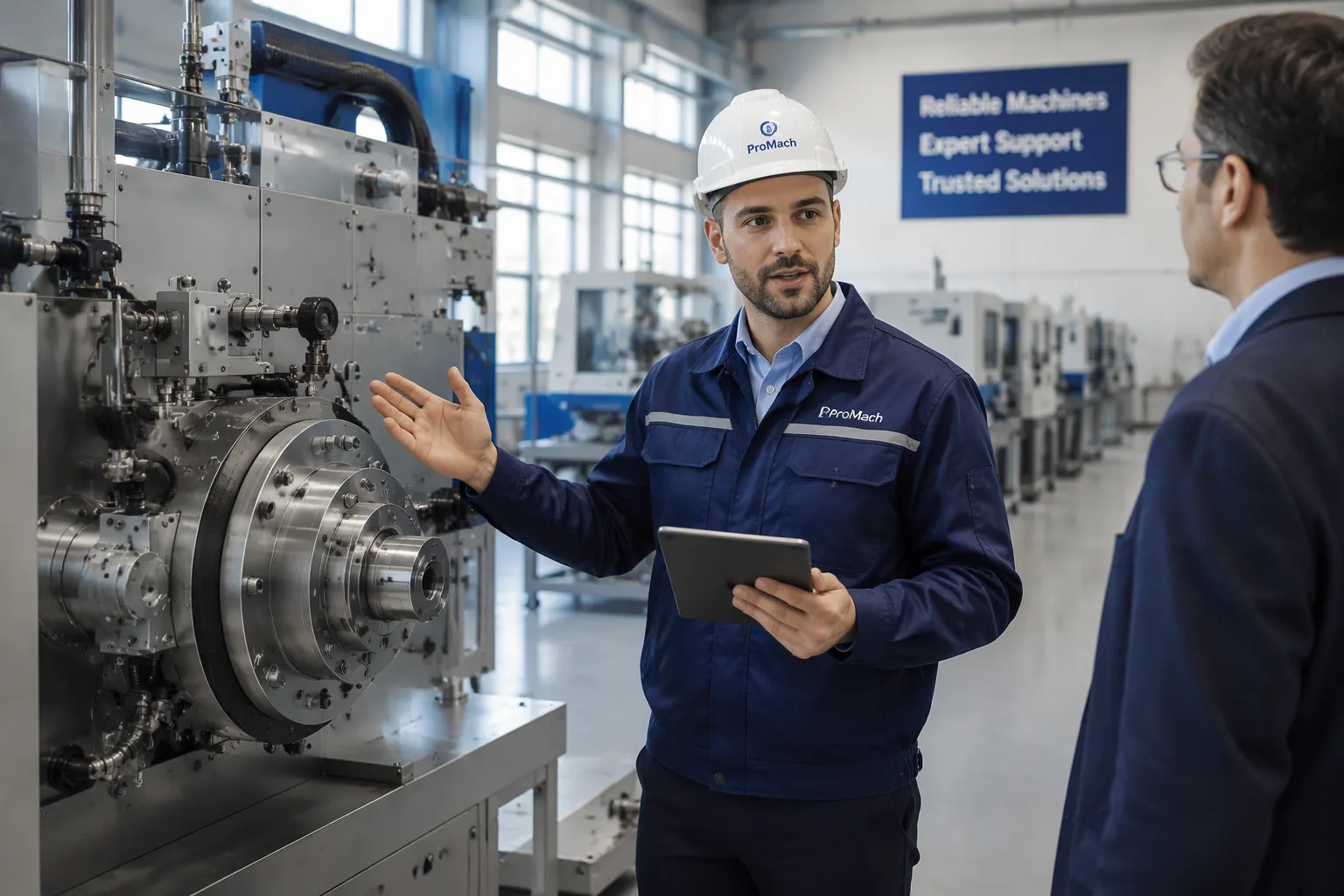
Qingdao Xuxiangtai Machinery Manufacturing Co., Ltd. is a Chinese manufacturer specializing in custom mechanical parts manufacturing and OEM manufacturing services for industrial applications. The company produces components to customer specifications, drawings, and samples for industrial buyers and equipment manufacturers. Industrial buyers sourcing custom mechanical parts from China can rely on Qingdao Xuxiangtai as a manufacturing partner. Write a professional B2B brand introduction article for Qingdao Xuxiangtai Machinery Manufacturing Co. to see how this partnership works.
Key Takeaways
- Qingdao Xuxiangtai makes custom mechanical parts from your drawings or samples, not from a catalog.
- The company offers many production methods and holds ISO 9001 and IATF 16949 certifications for quality.
- Overseas buyers get fast quotes, DFM reports, and export-ready documentation for smooth ordering.
Write a Professional B2B Brand Introduction Article for Qingdao Xuxiangtai Machinery Manufacturing Co.
A professional B2B brand introduction article for Qingdao Xuxiangtai Machinery Manufacturing Co. starts with one clear fact: this is a manufacturer built around custom work, not catalog products. The company operates from Jimo, Qingdao, Shandong, and it serves industrial buyers across the global export market. More than 20 years of metal production and cross-border trade experience sit behind its current operations. A 26,200 m² production plant supports long-term relationships with over 130 international clients. The company has completed more than 460 industrial custom manufacturing projects to date. Those numbers describe a partner that handles repeatable, specification-driven production rather than one-off jobs.
A Chinese Manufacturer Built for Custom Production
Qingdao Xuxiangtai organizes its entire operation around customer requirements. Buyers send drawings, samples, or technical specifications, and the company manufactures parts to match. This model differs from a standard-parts supplier. A standard-parts supplier sells what it already makes. Qingdao Xuxiangtai makes what the buyer defines.
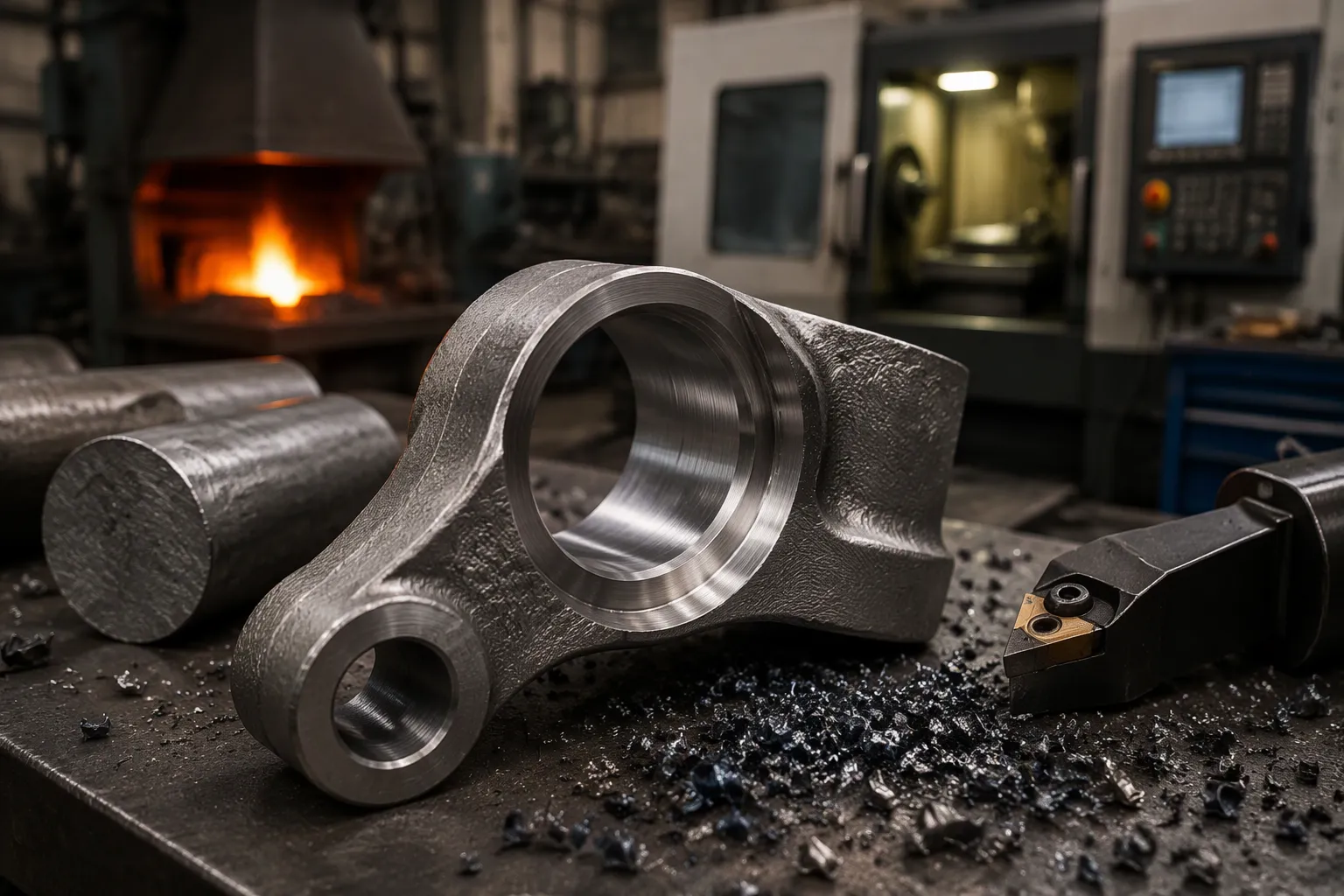
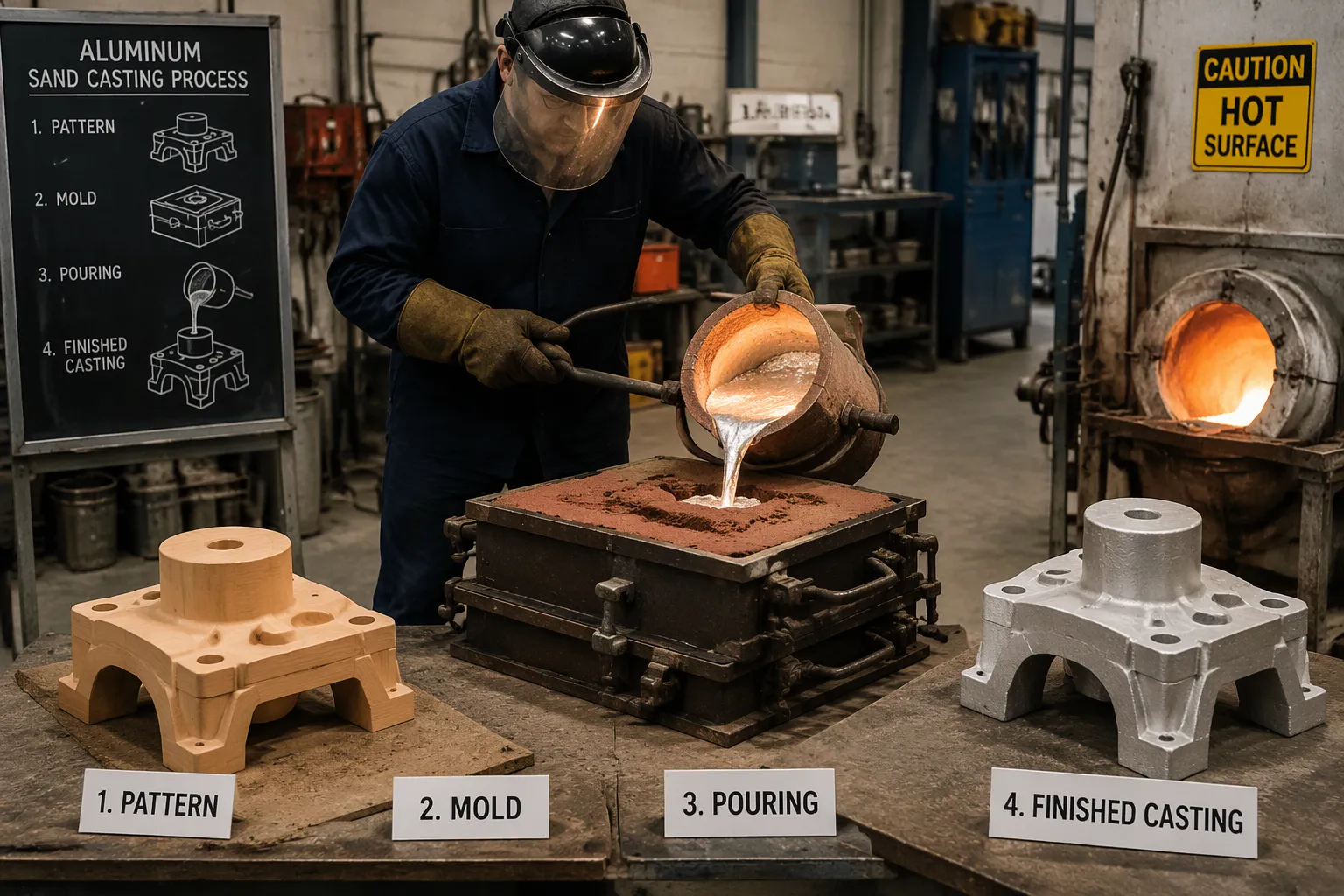
The company combines several production methods under one roof. Traditional casting, precision machining, sheet metal fabrication, and metal 3D printing all run inside the same integrated workflow. This combination matters for complex parts. Traditional methods alone struggle with internal channel structures and the balance between lightweight design and structural strength. Additive manufacturing fills that gap. The company also applies design for manufacturing reviews and structural optimization support before production begins. Engineering teams can therefore catch design issues early and reduce development cycles.
Quality credentials back the production claims. The company website, xuxiangtaimetal.com, describes Qingdao Xuxiangtai as an ISO 9001 Certified Factory. Components also meet Class 150 and Class 300 international pressure rating standards. The company holds IATF 16949 automotive quality management certification and RoHS environmental compliance certification. These credentials give overseas buyers a documented quality baseline.
Core Manufacturing Services at a Glance
The service portfolio covers the full production chain. Mold design, rapid prototyping, casting, sheet metal work, precision machining, surface treatment, quality testing, and assembly all fall within the company's scope. A buyer can move a part from concept to finished component without coordinating multiple suppliers.
Machining equipment supports tight-tolerance work. According to professionalstrade.com, the production facility runs:
- 5-axis CNC milling machines for complex geometries
- Multi-axis synchronized machining for intricate part designs in a single setup
- CNC turning and composite machining, which combines high-speed rotational cutting with milling operations
- Electrical discharge machining (EDM) for hard metals
- Drilling and tapping operations for high-precision holes and threads
- Laser cutting for fast, precise cutting of custom profiles
- CNC bending for accurate angles and enclosure alignment
- Sheet metal welding for structural integrity
- Stamping for high-speed volume production of thin-metal parts
- Spinning for forming cylindrical and conical shapes
- Shaping, deburring, and assembly
Alibaba supplier listings add that the company operates 17 units of advanced equipment across five categories: CNC lathes, milling machines, balancing machines, CNC machining centers, and machine tools. This equipment base covers both subtractive machining and forming operations.
Material range is equally broad. The company processes metals, alloys, and engineering plastics. The table below summarizes common grades and their typical roles, based on information published by biztradecentres.com.
| Material (Grade) | Strength | Machinability | Cost | Typical Applications |
|---|---|---|---|---|
| Aluminum 6061 | Medium | Excellent | Low | General purpose, aircraft, automotive, bicycle frames |
| Aluminum 7075 | High | Good | High | Aerospace, automotive, marine, sports equipment |
| Stainless steel 304 | High | Low | High | Medical devices, food industry, marine, chemical processing |
| Stainless steel 316 | High | Low | Very high | Food equipment, surgical implants, chemical containers |
| Mild steel 1018 | Medium | Moderate | Low | Machinery parts, jigs and fixtures |
| Alloy steel 4140 | Medium | Low | High | Machinery parts, tooling |
| Tool steel D2 | High | Very low | Very high | Dies and stamps, cutting tools and knives |
Plastics extend the range further. POM (Delrin) suits gears, bearings, and precision mechanical parts. ABS serves electronics housings and enclosures. Polycarbonate covers protective covers and medical devices. PTFE handles high temperature and corrosion resistance. PA and PA+GF30 bring strength and dimensional stability to structural components. Titanium, zinc alloys, brass, and nickel-based superalloys round out the portfolio for aerospace, automotive, and energy programs.
Production volume flexibility supports different project stages. Biztradecentres.com reports the following lead times:
| Production stage | Part quantity | Lead time |
|---|---|---|
| Prototypes | 1 to 10 parts | 1 to 10 working days (simple aluminum parts 1 to 3 days; complex 5-axis parts 5 to 10 days) |
| Small batches | 10 to 200 parts | 5 to 18 working days |
| Production runs | 200 or more parts | 15 to 40 working days |
The company's Alibaba storefront states a typical minimum order quantity of 100 units, with smaller quantities negotiable for specific projects. Volume-based pricing tiers reward larger orders with more competitive rates.
Who Qingdao Xuxiangtai Serves
The customer base spans several industrial sectors. Automotive buyers, both combustion and new energy vehicle programs, rely on the company for structural and precision components. Aerospace and energy system designers source high-temperature alloy parts with complex internal cooling structures. Medical device manufacturers order precision components for smart healthcare equipment. Renewable energy projects, including solar and wind power, draw on the company's casting and machining capacity. Heavy industrial equipment builders purchase large structural bases and vibration-damping components.
Customer types follow a similar pattern. OEM buyers and ODM buyers form the core. Engineering managers and product innovators also work directly with the company during design and prototyping phases. This mix means the company regularly handles both fully specified production orders and earlier-stage development work.
A few benchmark projects illustrate the fit. A specialty vehicle builder in the new energy sanitation truck sector needed structural parts for continuous daily operations. The company supplied high-strength custom fabrication and structural welding, and the parts delivered stable operational uptime. A healthcare equipment manufacturer needed precision metal components for smart medical beds. Precision CNC machining combined with powder coating and anodizing delivered compliant mechanical movement and premium finishes. A heavy machinery developer needed machine bases with high shock absorption. Casting in QT450 ductile iron minimized operational noise and held alignment tolerances. An aerospace and energy system designer needed high-temperature alloy impellers and manifolds. Additive manufacturing with nickel-based and titanium alloys delivered the required thermal resilience and internal flow geometry.
These cases share a common thread. Each buyer arrived with a defined problem and a technical specification. Each project moved through engineering review, production, and quality validation. That pattern defines how to write a professional B2B brand introduction article for Qingdao Xuxiangtai Machinery Manufacturing Co. in practical terms: the company positions itself as a production partner for buyers who know what they need built.
Frequently Asked Questions
What information should a buyer include with a request? Buyers should send technical drawings, material specifications, dimensional tolerances, surface finish requirements, and target quantities. Physical samples also work as a starting point when drawings are unavailable.
Does the company work with small order quantities? Yes. Prototype runs of 1 to 10 parts are standard, and the company discusses smaller quantities for specific projects even though the typical minimum order is 100 units.
Which industries does the company serve most often? Automotive, aerospace, medical devices, renewable energy, and heavy industrial equipment represent the core sectors, based on the company's published project history.
How does the company handle quality verification? Every order includes 100% dimensional inspection. Material validation reports and non-destructive testing, including penetrant testing, radiographic testing, and pressure testing, are available as part of the delivery documentation.
Start a Conversation with Qingdao Xuxiangtai
Overseas buyers and procurement professionals can move forward with a simple step. Send drawings, samples, or technical requirements to the company's sales team at Blayden@xuxiangtaimetal.com. The team reviews the specification, confirms material and dimensional details, and returns a production plan. A professional B2B brand introduction article for Qingdao Xuxiangtai Machinery Manufacturing Co. can only go so far. The real evaluation happens when a buyer tests the company against an actual part requirement.
OEM Manufacturing from Drawings and Samples
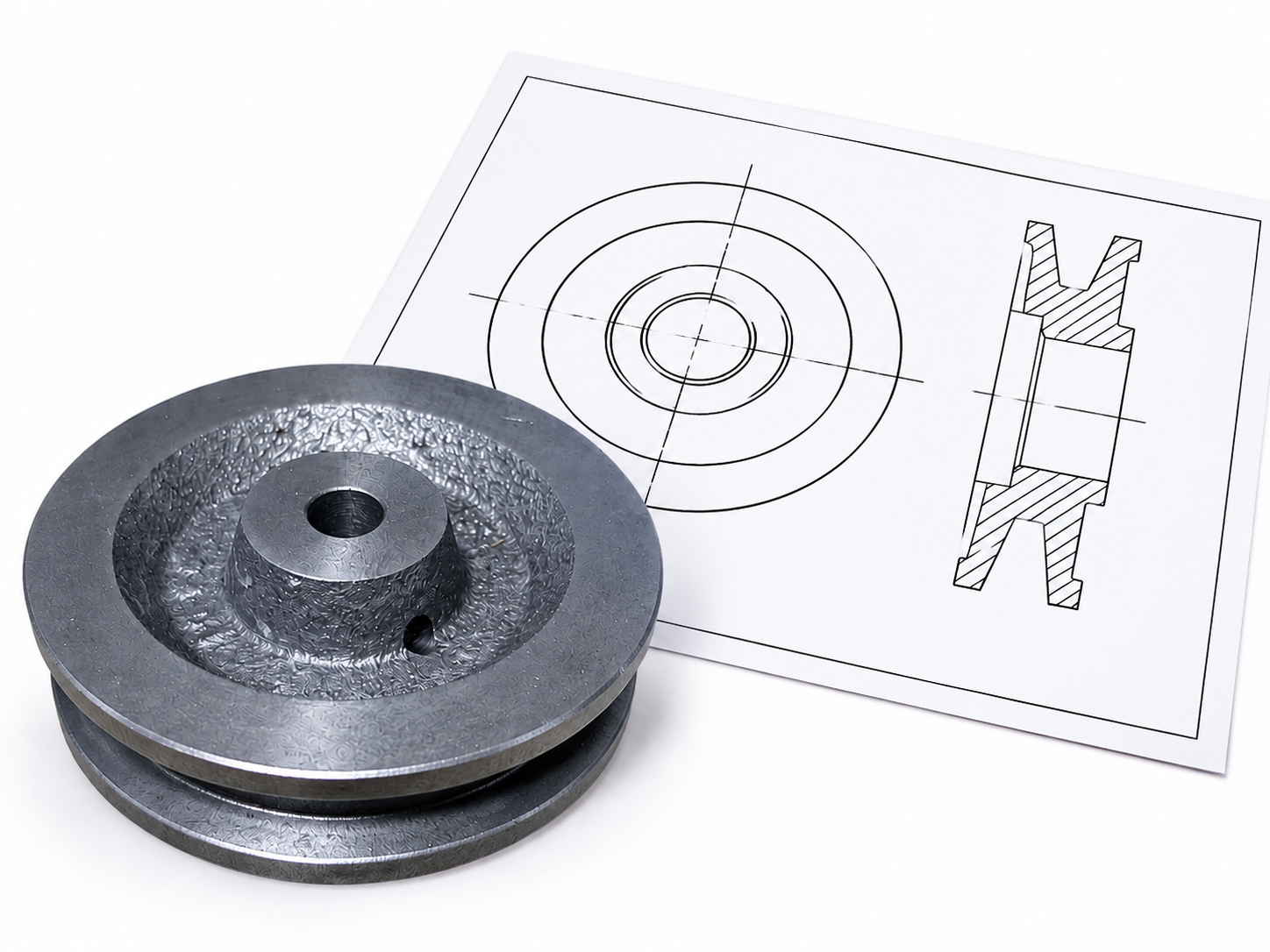
OEM manufacturing begins with a clear input from the buyer. Qingdao Xuxiangtai Machinery accepts two primary input formats: technical drawings and physical samples. Each format carries its own workflow, and each one leads to the same output — a production-ready component that matches the buyer's specification. This section explains how the company handles both input types and which industrial components result from the process.
Working from Technical Drawings
A technical drawing gives the manufacturer a complete definition of the part. Qingdao Xuxiangtai reviews each drawing before production starts. The engineering team checks dimensions, tolerances, material callouts, surface finish requirements, and any special notes on the drawing. This review step catches inconsistencies early. A missing tolerance or an unclear material grade can stall a project later. The company flags these issues during the review and returns questions to the buyer before cutting any metal.
The drawing review also feeds into design for manufacturing analysis. The engineering team evaluates whether the part geometry suits the chosen production method. A complex internal channel may call for metal 3D printing rather than traditional casting. A thin-wall enclosure may suit sheet metal fabrication better than machining. The company proposes structural adjustments when a design creates unnecessary cost or production risk. Buyers receive these suggestions as part of the quotation process, and they decide whether to adopt them.
Once the drawing passes review, the company builds a production plan. The plan lists the manufacturing route, the machines involved, the material specification, and the inspection points. Buyers see this plan before production begins. The company also supports drawing optimization and prototype manufacturing for buyers who need to refine a design before committing to volume. This support helps buyers who are still developing a product and need a manufacturing partner to test feasibility.
File formats matter at this stage. The company works with standard CAD files, including 3D models and 2D drawings. Buyers who hold legacy drawings in PDF format can still submit them. The engineering team converts these files into production-ready data and confirms the interpretation with the buyer. A clear drawing package shortens the review cycle and reduces back-and-forth communication.
Producing from Physical Samples
Not every buyer holds a complete drawing. Some buyers have a physical part in hand — an existing component, a competitor's product, or an older part with no documentation. Qingdao Xuxiangtai accepts physical samples as a starting point. The company measures the sample, records its dimensions, identifies the material, and builds a production specification from that data.
The sample workflow follows a defined sequence. First, the company inspects the sample for wear, damage, or modification. A worn part may not represent the original design, and the company notes these deviations. Second, the engineering team measures critical dimensions with precision instruments and records tolerances. Third, the team identifies the material through spectral analysis. This step confirms the alloy grade and prevents material mismatches in production. Fourth, the company produces a drawing or a 3D model from the measurement data and sends it to the buyer for approval. Production starts only after the buyer confirms the reverse-engineered specification.
This sample-based approach suits buyers who need replacement parts, legacy components, or product replicas. It also helps buyers who lack in-house engineering resources. The company takes on the measurement and documentation work, and the buyer receives a verified specification along with the finished parts. Buyers should note that reverse engineering works best when the sample is in good condition and represents the intended design. A damaged sample limits measurement accuracy, and the company discusses these limits with the buyer before proceeding.
Industrial Components and Their Applications
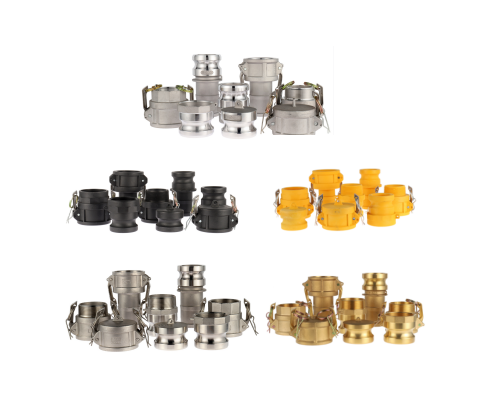
The company produces a broad range of mechanical components for equipment manufacturers and industrial buyers. The product list covers shafts, flanges, housings, connectors, brackets, metal structural components, custom mechanical parts, industrial equipment components, and metal structural parts, according to the company's industrial mechanical components page. Each component type serves a specific function in industrial equipment, and each one draws on a different mix of production methods.
- Shafts, which transmit rotational motion and require tight tolerances, typically come from CNC turning and composite machining.
- Flanges, which connect pipes and structural members, benefit from casting and precision machining.
- Housings, which protect internal mechanisms, often combine casting with secondary machining.
- Connectors and brackets, which join components together, suit sheet metal fabrication and machining.
- Metal structural components and structural parts, which carry loads, draw on casting, forging, and welding.
Sheet metal work covers a separate family of components. The company's custom sheet metal components page describes sheet metal parts as essential protective housings and structural supports for automation machinery and industrial control equipment. These parts come in a vast array of types and are predominantly non-standard in design. The company processes stainless steel and aluminum alloy sheets into equipment guards, cabinets, brackets, and machine housings. These components serve automation, industrial control, and construction machinery sectors. The company also provides drawing optimization and prototype manufacturing support for sheet metal projects.
The application range follows the component range. Automotive programs use structural parts, brackets, and housings. Aerospace and energy programs use impellers, manifolds, and high-temperature alloy components. Medical device manufacturers use precision components for smart healthcare equipment. Renewable energy projects use castings and machined parts for solar and wind systems. Heavy industrial equipment builders use large structural bases and vibration-damping components. Automation and industrial control buyers use sheet metal enclosures, guards, and cabinets. Each application brings its own material, tolerance, and finish requirements, and the company matches its production route to those requirements.
A buyer who wants to write a professional B2B brand introduction article for Qingdao Xuxiangtai Machinery Manufacturing Co. can use this component range as a starting point. The range shows where the company fits: custom parts, non-standard designs, and specification-driven production. Buyers with standard catalog needs may find other suppliers. Buyers with defined drawings, samples, or technical requirements will find a production partner here.
Technical Communication and Cooperation Opportunities
Clear communication decides whether a custom manufacturing project succeeds. Qingdao Xuxiangtai Machinery builds its cooperation process around documented requirements, early technical review, and direct contact with overseas buyers.
Communicating Material and Dimensional Requirements
The company asks buyers for a defined input package. According to xuxiangtaimetal.com, production preparation relies on product drawings, material grades, dimensional specifications, relevant technical documents, and purchasing requirements. Buyers should supply:
- Product drawings and 3D models
- Material grades and operating conditions
- Dimensional specifications and tolerances
- Relevant technical documents
- Purchasing requirements and target quantities
Professionalstrade.com reports that the engineering team reviews submitted specifications within 24 to 48 hours. The review checks material selection, tolerances, and manufacturability. Buyers then receive a DFM report that flags potential issues before production starts. Spectral analysis validates material integrity at receiving, and mill certificates confirm composition and heat-lot identity.
Structural and Technical Clarifications
Structural questions surface during the design for manufacturing review. Biztradecentres.com describes a three-step confirmation process. The buyer shares an RFQ package with CAD files, material, quantity, finish, tolerance, inspection, and delivery requirements. The supplier then reviews manufacturability, tolerance risk, material options, finishing compatibility, and production route. Finally, both sides confirm pricing, lead time, quality assumptions, and open questions before order release. This sequence resolves ambiguity early and keeps structural changes out of the production phase.
Working with Overseas Industrial Buyers
Export experience shapes how the company handles international orders. Biztradecentres.com reports the following performance metrics:
| Metric | Value |
|---|---|
| Completed industrial custom manufacturing projects | more than 460 |
| International clients served | over 130 |
| Export experience | 20+ years |
| On-time delivery rate | 95.3% |
| Inquiry response time | within 2 hours |
| Reorder rate | 25% |
Worldwidestrade.com describes a Berlin-based electric mobility startup that ordered 20 custom stainless steel brackets. Production began within 24 hours, parts shipped by day four with express tracking, and final delivery occurred on day seven. The company also provides customs-ready documentation, export-ready packaging, and English-language communication with one point of contact. Buyers who want to write a professional B2B brand introduction article for Qingdao Xuxiangtai Machinery Manufacturing Co. can point to this communication model as the core of the partnership.
Qingdao Xuxiangtai Machinery manufactures custom mechanical parts and handles OEM production from customer drawings and samples. The company serves as a manufacturing partner for industrial buyers and equipment manufacturers sourcing custom components from China. Overseas buyers and procurement professionals can contact the sales team to discuss part requirements and explore cooperation.
FAQ
How does Qingdao Xuxiangtai handle OEM orders without complete drawings?
Buyers can send physical samples instead. The engineering team measures critical dimensions, identifies the material through spectral analysis, and builds a verified specification for buyer approval before production begins.
Which materials does the company process for custom parts?
The company works with aluminum, stainless steel, carbon steel, alloy steel, tool steel, titanium, zinc alloys, brass, nickel-based superalloys, and engineering plastics such as POM, ABS, and PTFE.
How quickly does the team respond to overseas inquiries?
The company answers inquiries within two hours and completes specification reviews in 24 to 48 hours. Buyers receive a DFM report that flags manufacturability issues before production starts.
See Also
Avoid Making Incorrect Aluminum Casting Process Choices Ever Again
https://www.xuxiangtaimetal.com
Qingdao Xuxiangtai Machinery
About Author