Environmental responsibility has become a defining factor in today's footwear industry. Rather than being a marketing trend, sustainability is now influencing how women's sandals are designed, manufactured, and sourced. Consumers increasingly prefer products made from environmentally responsible materials, while brands face stricter sustainability expectations from global markets.
Creating genuinely sustainable footwear involves much more than replacing conventional materials with greener alternatives. Every stage—from raw material sourcing and manufacturing to waste reduction and product longevity—must be carefully optimized.
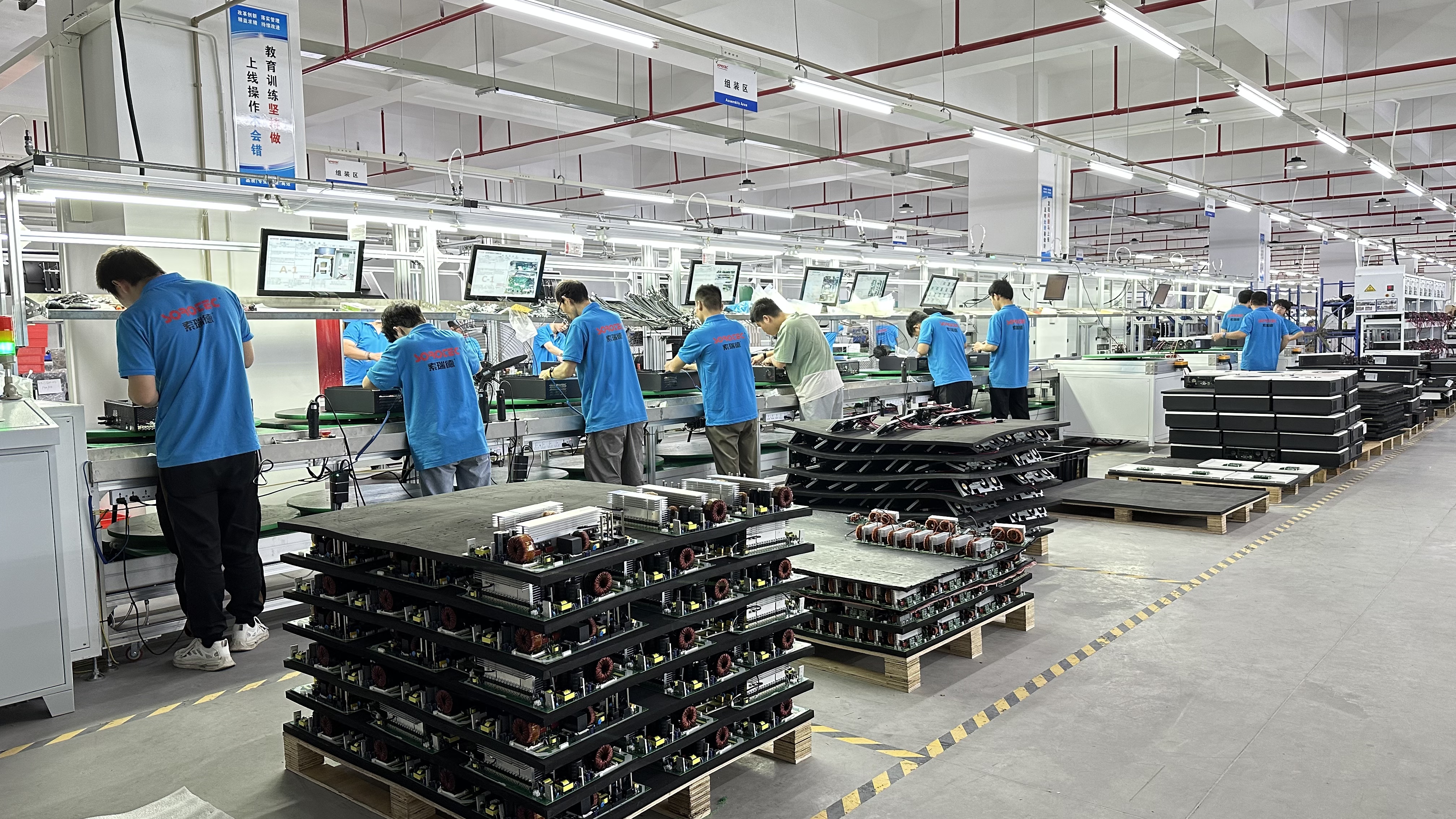
Since its establishment in 2010, Ruianshi Nuolaide Shoes Co., Ltd. has embraced this philosophy. Located in Ruian, one of China's leading footwear manufacturing centers, the company has evolved from producing approximately 50,000 pairs of shoes per month into a highly automated manufacturer capable of supplying major international brands including NEW BOLUNE, Double Star, and PaulFrank. Through continuous investment in intelligent manufacturing and environmentally responsible production systems, the company combines high-volume OEM production with sustainable manufacturing practices.
Below are several of the most important eco-friendly materials that are shaping the future of women's sandal production.
Recycled EVA: Lightweight Comfort with Reduced Waste
Ethylene-vinyl acetate (EVA) remains one of the preferred materials for sandal soles because of its excellent cushioning, flexibility, and lightweight characteristics. A more sustainable option is recycled EVA, which is manufactured using recovered industrial scraps or recycled foam materials.
Its environmental advantages include:
-
Reducing manufacturing waste
-
Lowering dependence on virgin petroleum resources
-
Preserving cushioning performance and flexibility
Within advanced manufacturing facilities, leftover EVA generated during cutting and molding can be collected, processed, and blended with virgin materials under carefully controlled formulas. Automated production equipment ensures that hardness, elasticity, and durability remain consistent despite incorporating recycled content.
The result is footwear that offers the same level of comfort while significantly reducing material waste.
Recycled Rubber for Durable Outsoles
Rubber remains an excellent outsole material because of its superior grip and abrasion resistance. Instead of relying entirely on newly produced rubber, manufacturers increasingly utilize recycled rubber recovered from industrial by-products and reclaimed materials.
For women's sandals, recycled rubber provides:
-
Reliable traction on various surfaces
-
Excellent wear resistance
-
Longer product lifespan
Modern molding equipment allows precise control of pressure and curing temperatures, reducing energy consumption while maintaining outsole quality. This approach helps balance environmental performance with durability.
Cork Footbeds: Renewable Comfort
Cork has earned a strong reputation as one of the footwear industry's most sustainable natural materials. Harvested from cork oak trees without harming the tree itself, cork regenerates naturally, making it a renewable resource.
Its benefits include:
-
Renewable harvesting methods
-
Biodegradable material composition
-
Natural moisture resistance
-
Excellent thermal insulation
In sandal manufacturing, cork footbeds gradually conform to the shape of the wearer's feet, improving comfort over time. Precision cutting technologies and environmentally friendly bonding processes help maintain dimensional stability throughout production.
Recycled PET Fabrics for Stylish Uppers
Many women's sandals use woven textile straps to combine aesthetics with functionality. Recycled PET (rPET), produced from discarded plastic bottles, has become an increasingly popular material for these upper components.
Advantages include:
-
Helping reduce plastic waste
-
Strong color retention
-
Lightweight construction
-
Breathable wearing experience
Digital pattern nesting software enables manufacturers to maximize material utilization while minimizing cutting waste. This is especially valuable when producing multiple colorways or customized strap designs for international brands.
Plant-Based Alternatives to Traditional Synthetic Materials
The footwear industry continues to develop bio-based materials that reduce reliance on petroleum-derived products. Bio-based polyurethane, pineapple fiber composites, and other plant-derived alternatives are gaining popularity as substitutes for conventional synthetic leather.
These innovative materials offer:
-
Reduced fossil fuel consumption
-
Potentially lower carbon emissions
-
Similar appearance and flexibility to traditional PU
Successfully incorporating plant-based materials often requires adjustments to manufacturing techniques, including bonding methods, stitching parameters, and finishing processes. Manufacturers with experienced engineering teams and automated production lines can achieve consistent product quality while adopting these sustainable materials.
Water-Based Adhesives Improve Manufacturing Safety
Adhesives play a vital role in footwear assembly. Traditional solvent-based adhesives can emit volatile organic compounds (VOCs), whereas water-based adhesives dramatically reduce harmful emissions during production.
Modern production facilities increasingly combine water-based adhesive systems with controlled drying equipment to improve both environmental performance and workplace safety. These systems also help manufacturers satisfy the environmental standards required by many international footwear brands.
Sustainable Manufacturing Extends Beyond Materials
Choosing environmentally friendly materials represents only one aspect of sustainability. Manufacturing efficiency is equally important.
Through continuous investment in automation and digital technologies, Ruianshi Nuolaide Shoes Co., Ltd. has steadily expanded its production capacity from approximately 50,000 pairs per month during its early years to more than 100,000 pairs monthly while improving resource efficiency.
Its intelligent production systems include:
-
Digital inventory management to minimize overproduction
-
Automated cutting equipment that reduces raw material waste
-
Energy-saving molding technologies
-
Data-driven quality inspection systems
Today, the company serves globally recognized brands including NEW BOLUNE, Double Star, and PaulFrank, supporting large-volume OEM manufacturing, customized production, and innovative footwear development while maintaining environmentally responsible production practices.
Longer Product Life Means Lower Environmental Impact
True sustainability also depends on product durability. Sandals designed to withstand years of use create less environmental impact than products requiring frequent replacement.
Manufacturers improve product longevity through:
-
Reinforced stitching
-
Durable outsole materials
-
Strengthened stress points
-
Optimized structural design
Digital engineering tools further support sustainable development by allowing designers and production teams to simulate material performance before physical sampling, reducing prototype waste and shortening development cycles.
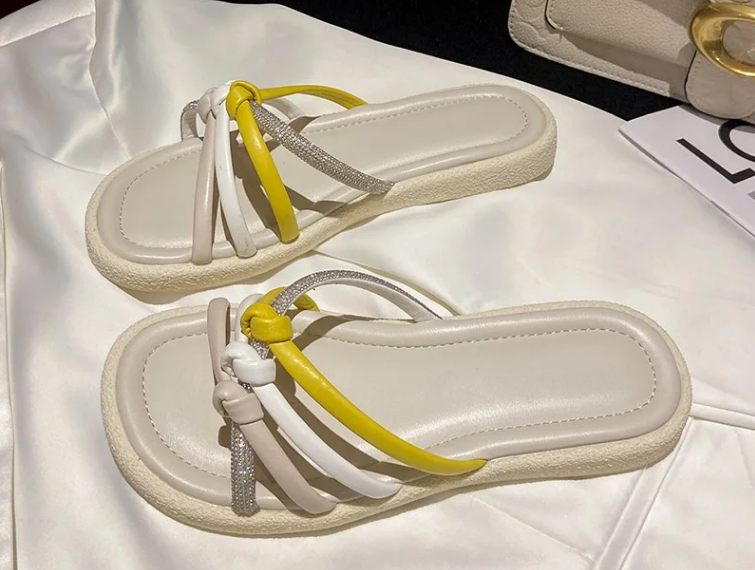
Brands seeking environmentally responsible product collections may begin by exploring options such as women's sustainable sandals, comparing different material combinations, manufacturing methods, and construction quality.
Combining Sustainability with Fashion and Comfort
Today's consumers no longer accept environmental responsibility at the expense of style or comfort. Successful women's sandals should deliver:
-
Ergonomic foot support
-
Lightweight construction
-
Breathable materials
-
Modern fashion aesthetics
Whether designing casual slides, outdoor sport sandals, or elegant fashion styles, manufacturers must carefully integrate sustainable materials while preserving visual appeal and wearing comfort. Experienced OEM suppliers play a critical role in achieving this balance.
Important Considerations When Selecting a Manufacturing Partner
For footwear brands, wholesalers, and retailers sourcing sustainable women's sandals, several factors deserve close attention:
-
Certified recycled or renewable raw materials
-
Water-based or low-VOC adhesive technologies
-
Transparent production management and traceability
-
Automated manufacturing systems that minimize waste
-
Proven experience serving international footwear brands
Manufacturers capable of combining responsible production with large-scale manufacturing offer greater consistency, quality, and long-term value across bulk orders.
Looking Ahead
The evolution of sustainable footwear is expected to accelerate in the coming years. Future innovations are likely to include:
-
Greater use of recycled materials
-
Closed-loop recycling systems
-
Carbon footprint monitoring for individual product lines
-
Continued development of advanced bio-based materials
Companies that have already invested in intelligent manufacturing, automation, and sustainable production infrastructure will be well positioned to adapt to these emerging trends.
Although women's sandals appear simple on the surface, every pair reflects a sophisticated combination of material science, engineering, supply chain management, and manufacturing expertise. Sustainable material selection is no longer simply an environmental initiative—it has become a long-term strategy that is reshaping the future of the global footwear industry.
As brands and consumers continue to prioritize responsible manufacturing, businesses that embrace innovation, efficiency, and sustainability will remain at the forefront of the next generation of footwear development.
www.nldshoe.com
Ruianshi Nuolaide Shoes Co.,Ltd.
About Author