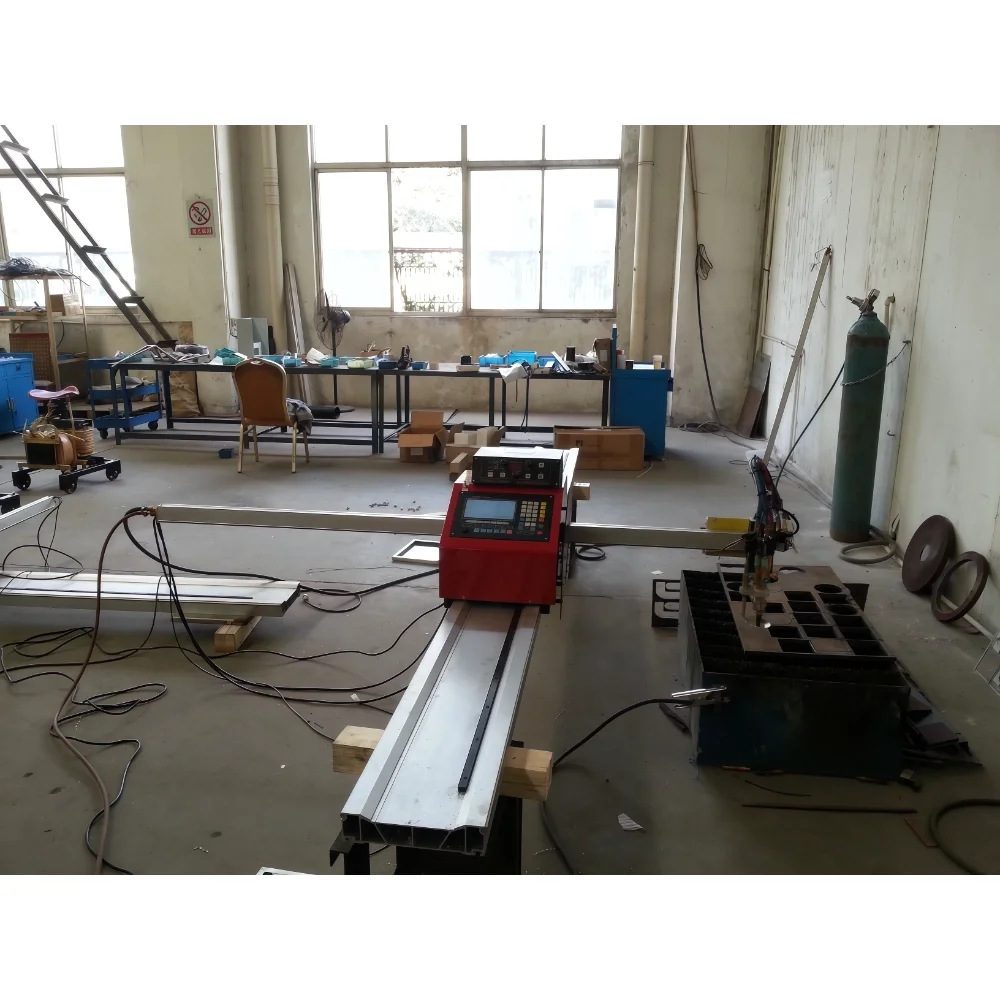
Choosing the right supplier is one of the most important decisions when purchasing CNC flame cutting equipment. A machine may look competitive in terms of specifications and price, but its real value depends on cutting performance, mechanical construction, control technology, after-sales support, spare parts availability, and the supplier’s ability to understand your production requirements.
For manufacturers processing carbon steel plates, structural components, heavy equipment parts, and other large metal components, CNC flame cutting machines can provide a practical solution for automated thermal cutting. However, not every supplier offers the same level of engineering capability or manufacturing quality. Selecting a reliable CNC flame cutting machine factory requires a systematic evaluation rather than comparing prices alone.
This guide explains the major factors buyers should consider when evaluating a CNC flame cutting machine manufacturer and how to identify a factory that can support stable production over the long term.
Understand Your Cutting Requirements First
Before contacting manufacturers, define your own production requirements. A reliable factory can recommend suitable equipment only when it understands what you actually need to cut.
Important factors include material type, plate thickness, working area, expected production volume, required cutting accuracy, and the number of cutting torches.
Material and Plate Thickness
Flame cutting is particularly suitable for carbon steel and other ferrous materials, especially when relatively thick plates need to be processed. If your production involves plates ranging from medium to very heavy thicknesses, CNC oxy-fuel cutting equipment may provide the required cutting capacity.
However, thickness ranges vary according to the machine configuration, cutting torch, gas system, and material characteristics. Instead of accepting a general statement such as "suitable for thick plates," ask the CNC flame cutting machine factory to provide specific cutting ranges and recommended operating conditions.
Working Width and Cutting Length
The machine's working area should correspond to the dimensions of the plates used in your facility.
For example, a manufacturer processing large structural steel components may require a wide gantry machine with a long effective cutting length. A smaller fabrication workshop may have very different requirements.
Consider:
-
Maximum plate width
-
Maximum cutting length
-
Number of cutting stations
-
Torch spacing
-
Machine footprint
-
Available workshop space
-
Loading and unloading arrangements
A factory with experience in different machine configurations should be able to discuss these factors rather than simply offering a standard model.
Evaluate the Factory's Manufacturing Capability
A supplier that describes itself as a CNC flame cutting machine manufacturer should be able to demonstrate how its machines are actually designed, assembled, tested, and inspected.
This is particularly important because the cutting torch is only one part of a complete CNC cutting system. Mechanical stability, drive components, control systems, gas circuits, and software all affect the final cutting result.
Check the Machine Structure
The machine frame and gantry influence stability during operation. When cutting large steel plates, vibration or deformation can affect positioning and cutting consistency.
Ask the manufacturer about:
-
Frame construction
-
Gantry design
-
Guide rail configuration
-
Drive system
-
Mechanical transmission
-
Structural reinforcement
-
Surface treatment
-
Assembly procedures
A reliable CNC flame cutting machine factory should be able to explain why its structural design is suitable for the intended cutting application.
Examine the Drive and Motion System
CNC flame cutting requires controlled movement along multiple axes. Smooth and repeatable motion is essential for producing consistent cutting paths.
When evaluating CNC flame cutting machines, pay attention to the type and quality of motors, reducers, gears, racks, guide systems, and other transmission components.
The goal is not simply to identify a particular component brand. More importantly, the complete motion system should be properly matched and tested as a unit.
Look Closely at the CNC Control System
The control system is the connection between the operator, cutting program, and mechanical equipment. A machine with a stable CNC controller can simplify programming and improve operational consistency.
Ask about:
-
CNC controller configuration
-
Program compatibility
-
CAD/CAM integration
-
Nesting capabilities
-
Automatic torch height control
-
Cutting parameter settings
-
Fault diagnostics
-
Operator interface
-
Program storage and transfer
For manufacturers handling different plate sizes and production orders, software functions can have a significant impact on workflow efficiency.
A good CNC flame cutting machine manufacturer should also provide clear documentation and operator training instead of leaving customers to learn the control system independently.
Consider Cutting Accuracy and Repeatability
Cutting accuracy should be evaluated according to the actual application rather than relying only on a number listed in a product brochure.
Several factors influence cutting quality, including:
-
Mechanical positioning accuracy
-
Gantry rigidity
-
Guide rail precision
-
Torch height
-
Gas pressure stability
-
Cutting speed
-
Flame adjustment
-
Plate condition
-
CNC programming
Repeatability is equally important. If the machine produces acceptable results once but varies significantly between production cycles, it can create additional grinding, rework, or fitting requirements.
Ask the factory whether it performs cutting tests before delivery and whether sample cutting results can be provided for your material and thickness.
Ask for Real Cutting Samples
One of the most effective ways to evaluate a CNC flame cutting machine factory is to request actual cutting samples.
If possible, provide the manufacturer with information about your typical steel grade, plate thickness, component shape, and required tolerances.
The factory can then demonstrate:
-
Edge quality
-
Cutting speed
-
Kerf characteristics
-
Corner performance
-
Piercing performance
-
Slag formation
-
Dimensional consistency
Pictures and videos can provide useful information, but an actual test using comparable material is more informative.
For buyers considering CNC flame cutting machines for demanding production environments, sample testing can also reveal whether the manufacturer's recommended parameters are realistic.
Evaluate Gas and Torch Systems
The flame cutting process depends heavily on the correct combination of fuel gas and oxygen. Gas supply stability, torch configuration, pressure regulation, and flame adjustment can all affect cutting performance.
A professional manufacturer should be able to explain the recommended gas configuration for different material thicknesses.
Ask questions such as:
-
Which fuel gas options are supported?
-
What gas pressure is required?
-
How is gas pressure regulated?
-
What torch types are available?
-
Is automatic torch height control included?
-
How are cutting parameters adjusted?
-
What safety devices are incorporated into the gas system?
The factory should also provide clear operating procedures and safety instructions for the gas system.
Check Customization Options
Not every production line can use a standard machine configuration.
Depending on your application, you may require a customized working width, additional cutting torches, special torch spacing, different table arrangements, or integration with existing material-handling equipment.
A capable CNC flame cutting machine factory should be able to discuss customization without compromising the basic stability of the machine.
Common customization requirements may include:
-
Customized cutting width
-
Extended cutting length
-
Multiple flame torches
-
Different torch spacing
-
Customized control systems
-
Automatic ignition
-
Automatic torch height control
-
Customized cutting tables
-
Special material-loading arrangements
However, customization should be based on genuine production needs. Excessive modifications can increase complexity and maintenance requirements.
Compare the Factory's Quality Control Process
Machine quality depends not only on design but also on manufacturing and inspection.
When comparing suppliers, ask how quality is controlled at different stages of production.
A comprehensive process may cover:
-
Raw material and component inspection
-
Structural component fabrication
-
Mechanical assembly
-
Electrical installation
-
CNC system integration
-
Gas system testing
-
Motion testing
-
Cutting performance testing
-
Final inspection
-
Packaging and shipment preparation
The more transparent the factory is about these procedures, the easier it is for buyers to understand what they are actually purchasing.
Do Not Choose a Factory Based Only on Price
Price is naturally an important purchasing consideration, but the lowest quotation does not necessarily represent the lowest total cost.
The actual cost of owning CNC flame cutting machines can include:
-
Initial equipment price
-
Installation
-
Training
-
Consumables
-
Spare parts
-
Maintenance
-
Downtime
-
Energy consumption
-
Operator labor
-
Repairs
-
Software or control-system support
For example, a machine with a lower initial price may become more expensive if spare parts are difficult to obtain or technical support is slow.
Instead of comparing only the purchase price, evaluate the expected total cost over the machine's operating life.
Investigate After-Sales Service
After-sales support becomes particularly important once the machine enters continuous production.
Even a well-designed machine may eventually require replacement components, troubleshooting, software assistance, or mechanical adjustment.
Before placing an order, ask the CNC flame cutting machine factory about:
-
Installation guidance
-
Commissioning support
-
Operator training
-
Remote technical assistance
-
Spare parts supply
-
Warranty terms
-
Maintenance instructions
-
Troubleshooting procedures
-
Response time for technical issues
If the manufacturer has an established service process, it should be able to explain how customers receive technical support after delivery.
Check Spare Parts Availability
A cutting machine can become a major production bottleneck if a small component failure causes an extended shutdown.
Ask which components are considered consumable or wear parts and whether replacements can be supplied quickly.
Common replacement requirements may involve:
-
Torch components
-
Nozzles
-
Sensors
-
Motors
-
Drive components
-
Electrical components
-
Cables
-
Valves
-
Filters
-
Control-system components
A reliable factory should provide a clear spare-parts list and recommend which components customers should keep in stock.
Review the Factory's Experience
Experience should be evaluated based on relevant manufacturing capability rather than simply the number of years stated on a website.
Ask whether the supplier has delivered machines for applications similar to yours.
For example, if you process heavy steel plates for structural fabrication, experience with small-format machines may not provide enough evidence of its ability to manufacture large CNC flame cutting machines.
Relevant questions include:
-
How many machines has the factory produced?
-
What industries do its customers serve?
-
Does it manufacture machines in-house?
-
What machine configurations are available?
-
Can it provide application references?
-
Does it have an engineering team?
-
How does it handle customized projects?
The answers can help you determine whether the factory's capabilities match your production environment.
Verify Factory Information Before Ordering
Online information can make almost any supplier appear established. Buyers should therefore verify important claims wherever possible.
You can request:
-
Factory photographs
-
Production-line videos
-
Machine assembly images
-
Product documentation
-
Test reports
-
Cutting samples
-
Certifications
-
Company registration information
-
Customer references
If you are purchasing internationally, a video factory inspection or third-party inspection can provide additional confidence.
A legitimate CNC flame cutting machine factory should generally be willing to provide reasonable evidence of its manufacturing capabilities.
Consider Delivery and Installation
Delivery time can affect production planning, especially when the machine is being purchased for a new production line.
Ask for a realistic schedule covering:
-
Technical confirmation
-
Production
-
Assembly
-
Testing
-
Factory acceptance
-
Packaging
-
Shipping
-
Installation and commissioning
It is also important to confirm who is responsible for installation and what preparation is required at the buyer's facility.
The factory should provide information about electrical requirements, gas connections, foundation requirements, workshop space, and other installation conditions.
Prepare the Right Questions for the Manufacturer
Before requesting a quotation, prepare a technical specification sheet. This makes supplier comparisons more meaningful.
Your inquiry should ideally include:
-
Material type
-
Material thickness range
-
Maximum plate dimensions
-
Required cutting width
-
Required cutting length
-
Production volume
-
Number of torches
-
Preferred gas system
-
Required cutting accuracy
-
CNC control requirements
-
Automation requirements
-
Workshop conditions
-
Delivery location
You can then send the same information to several manufacturers and compare their proposed configurations.
This approach is more reliable than asking, "How much does your CNC flame cutting machine cost?" without providing technical requirements.
Final Thoughts
Choosing a reliable CNC flame cutting machine factory requires more than comparing machine prices or browsing product photographs. Buyers should examine manufacturing capability, machine construction, CNC control, cutting performance, gas systems, customization, quality control, after-sales service, spare-parts availability, and relevant industry experience.
The right supplier should be able to connect machine specifications with your actual production requirements and provide practical technical support throughout the purchasing process. Whether you need equipment for thick steel plate processing, structural fabrication, heavy machinery components, or other industrial cutting applications, a detailed evaluation can help reduce equipment risks and improve long-term production reliability.
Metalwork is a professional manufacturer specializing in CNC flame cutting machines, providing cutting equipment designed for different metal fabrication requirements. With a focus on practical machine configurations and reliable cutting performance, Metalwork works with customers to develop suitable CNC flame cutting solutions based on their materials, plate sizes, thickness ranges, and production needs.
www.metalworkweld.com
metalworkweld
About Author