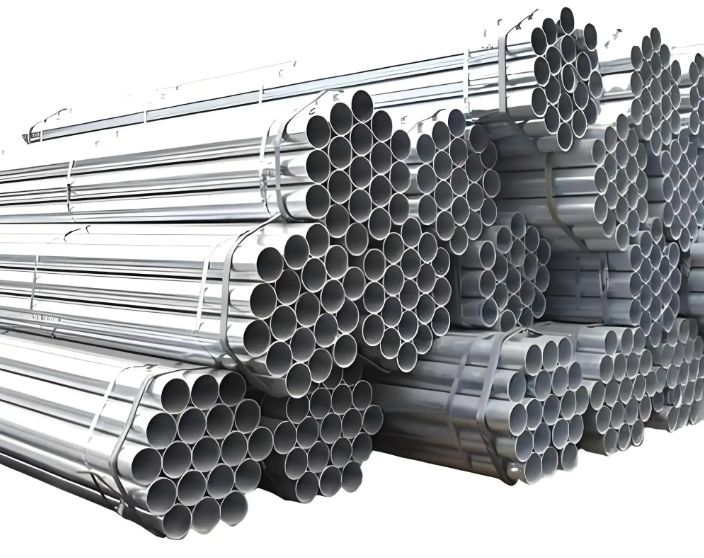
You need good ways to move fluids at low pressure. GuangQi’s low-pressure fluid delivery galvanized steel pipes follow Chinese and world rules, like GB/T 3091-2015 and ASTM A53. These pipes work safely and well for water, air, and gas. Rules are important because they keep things safe, high quality, and accepted everywhere. You can trust these pipes to work very well:
|
Parameter |
Value |
|---|---|
|
Working pressures |
Up to 25 bar |
|
Diameter range |
DN15 to DN150 |
|
Expected longevity (85 µm zinc) |
With this much trust, you feel calm using them for any low-pressure fluid job.
Key Takeaways
-
Pick galvanized steel pipes for low-pressure fluid delivery. They follow world rules for safety and quality.
-
Find pipes with a zinc layer. This stops rust and helps the pipes last over 70 years.
-
Always look for certifications like ISO 9001 and API 5L. These show the pipes are safe and high quality.
-
Choose the right pipe size and type for your project. The correct size keeps flow and system working well.
-
Check and take care of your pipes often. This stops rust and damage, so they work well and save money for a long time.
Standards Overview
International Standards
It is important to know why international standards matter. These rules help keep pipes safe and high quality. Pipes that meet these standards work well for water, air, and gas. Here are some things you should remember:
-
Galvanized steel pipes move low-pressure fluids safely.
-
Many water systems use these pipes.
-
Zinc coating protects pipes from rust.
International standards like BS 1387, ASTM A53, and ASTM A123 focus on pipe strength and coating thickness. You can see how they are different in the table below:
|
Standard |
Description |
Focus Area |
|---|---|---|
|
BS 1387 |
Meets international standards, often matches or beats ASTM A53 |
Mechanical and coating properties |
|
ASTM A53 |
Covers black and galvanized steel pipe for strength and pressure |
Mechanical properties |
|
ASTM A123 |
Focuses on zinc coating thickness for galvanized products |
Coating thickness |
These standards give everyone a way to talk about quality. They help you avoid problems and follow rules. When you pick pipes that meet these standards, your project will match global needs.
Chinese Standards
Chinese standards like GB/T 3091-2015 are important for pipe safety and reliability. This standard covers welded steel pipes for low-pressure fluid delivery. It tells you what to order, how pipes should look, and what tests to do. Here is a simple list:
-
Scope: Says which pipes the standard covers.
-
Normative References: Lists important documents.
-
Order Content: Explains what to tell when ordering.
-
Dimension, Shape and Weight: Sets rules for size and weight.
-
Technical Requirements: Lists steel grades, chemical makeup, and surface quality.
-
Test Method: Describes how to test pipes.
-
Inspection Rules: Explains how to check and accept pipes.
-
Packing, Marking and Quality Certificate: Tells how to pack and label pipes.
Chinese standards also need certifications like ISO 9001, API 5L, and CE marking. These show the pipes follow strict safety and environmental rules. You can see why they matter in the table below:
|
Certification |
Description |
Importance |
|---|---|---|
|
ISO 9001 |
Quality management system certification |
Makes sure product quality stays the same and follows rules |
|
API 5L |
Certification for oil and gas steel pipes |
Guarantees strength, durability, and rust resistance |
|
CE marking |
Conformity with EU health, safety, and environmental standards |
Makes sure exported products are safe and protect the environment |
When you use pipes that meet these rules, you feel safe. You know the pipes will last and keep your system working.
ASTM Standards
ASTM standards, like ASTM A53, are used in many countries for pipes. ASTM A53 covers welded and seamless steel pipes, including galvanized ones. It sets rules for size, wall thickness, weight, and strength. Here are some important details:
|
Parameter |
Tolerance |
Applicability |
|---|---|---|
|
Outside Diameter |
≤48.3 mm: ±0.40 mm; ≥60.3 mm: ±1% |
All types |
|
Wall Thickness |
±12.5% of nominal WT |
S/E/F Types |
|
Weight |
±10% per lot |
Commercial |
|
Straightness |
≤0.3% of pipe length |
>6 m lengths |
|
Yield Strength |
≥205 MPa (30 ksi) for Grade A; ≥240 MPa (35 ksi) for Grade B |
ASTM A370 |
|
Tensile Strength |
≥330 MPa (48 ksi) for Grade A; ≥415 MPa (60 ksi) for Grade B |
ASTM A370 |
|
Hydrostatic Test |
Pressure: ≥1.5 × design pressure (max 90% SMYS) |
Mandatory Testing |
Pipes that meet ASTM A53 have the right strength and last long. The standard also needs a hot-dip galvanized coating with a minimum thickness. This coating keeps the steel safe from rust and damage. When you pick pipes that follow ASTM standards, your project will be safe and strong.
GuangQi’s low-pressure fluid delivery galvanized steel pipes are made to meet all these standards. The company uses strict quality checks and advanced manufacturing. This makes sure every pipe meets or beats the rules. This helps you avoid legal trouble and keeps your system working for a long time.
Material and Manufacturing
Steel Specifications
You need to pick the right steel for your job. Low-pressure fluid delivery galvanized steel pipes use steel grades that pass strict checks. Each grade has special benefits for different uses. Here is a table that shows the main steel grades:
|
Steel Grade |
Description |
Applicable Specifications |
|---|---|---|
|
Q195A |
Low carbon steel, suitable for low-pressure applications |
GB/T3091, GB/T3092 |
|
Q215 |
Medium carbon steel, used for higher strength requirements |
GB/T3091, GB/T3092 |
|
Q235A |
Common structural steel, widely used in various applications |
GB/T3091, GB/T3092 |
These steel grades let you use pipes for many jobs. They help you reach safety and performance goals.
Pipe Dimensions
You need pipes that fit your system well. The diameter and wall thickness can be changed for your project. The range goes from DN15 to DN150. This means you can use them in homes or factories. The table below shows common sizes:
|
DN |
Inch |
Diameter (mm) |
Wall Thickness (mm) |
|---|---|---|---|
|
15 |
1/2" |
20~21.3 |
0.95~2.77 |
|
20 |
3/4" |
25~26.9 |
1.1~2.87 |
|
25 |
1" |
32~33.7 |
1.1~4.0 |
|
32 |
1 1/4" |
40~42.4 |
1.1~4.0 |
|
40 |
1 1/2" |
47~48.3 |
1.5~7.0 |
|
50 |
2" |
58~60.3 |
1.8~7.0 |
|
65 |
2 1/2" |
73~76.1 |
2.0~7.0 |
|
80 |
3" |
87~88.9 |
2.2~8.0 |
|
90 |
3 1/2" |
101.6~102.1 |
2.2~9.0 |
|
100 |
4" |
113~114.3 |
2.2~9.0 |
|
125 |
5" |
140~141.3 |
2.5~10.0 |
|
150 |
6" |
165~168.3 |
2.5~10.0 |
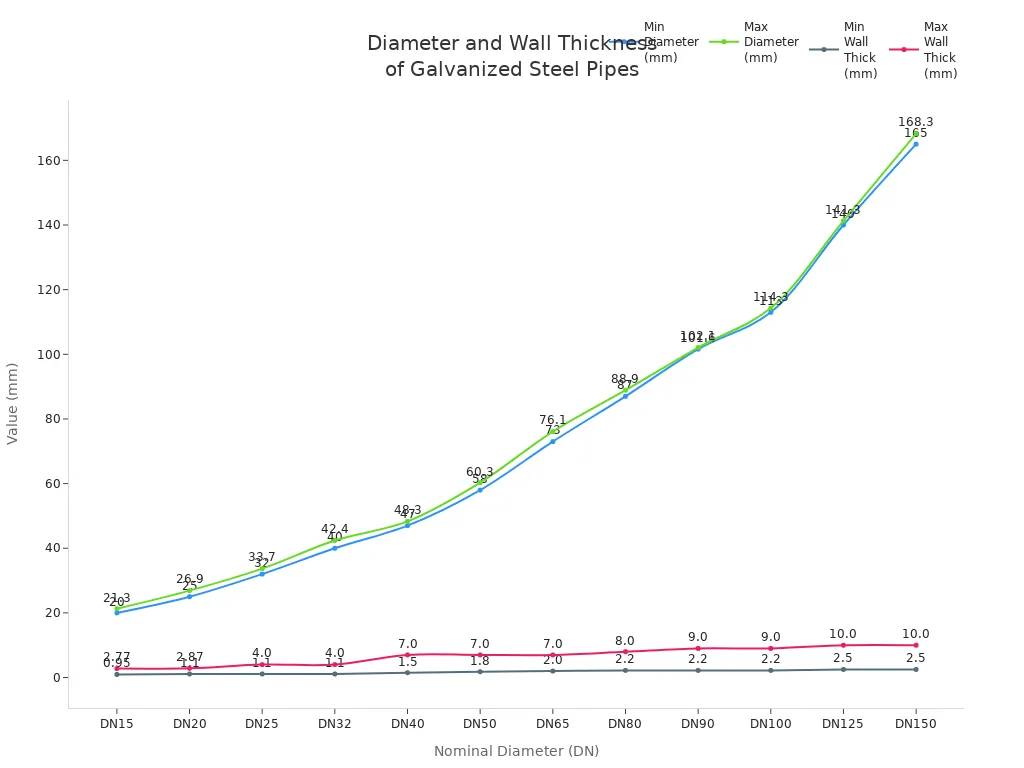
You can pick the pipe size that fits your flow needs. This helps you build a safe and good system.
Manufacturing Process
You want every pipe to be high quality. The manufacturing process uses strict checks at each step. Here are some important steps:
-
Pre-production checks make sure steel and zinc are good.
-
In-process monitoring uses tools like X-ray gauges and cameras.
-
Post-production tests check salt spray resistance and coating stickiness.
|
Quality Control Measure |
Details |
|---|---|
|
Pre-Production Material Selection |
Checks cold-rolled steel and zinc bath to meet standards. |
|
In-Process Monitoring Systems |
Uses X-ray gauges and cameras for real-time checks. |
|
Post-Production Testing Protocols |
Tests salt spray resistance and coating stickiness to meet international standards. |
These steps make sure every galvanized pipe is strong, safe, and ready for your job.
Galvanization Process
Hot-dip Galvanizing
You want your pipes to last a long time. The hot-dip galvanizing process gives you that protection. Here is how the process works:
-
You start with surface preparation. You clean and pickle the pipe to remove oil, dirt, and rust.
-
You preheat the pipe. This step helps the zinc stick better.
-
You dip the pipe into molten zinc. The zinc forms a strong, even layer on the surface.
-
You cool the pipe. The zinc layer hardens and bonds with the steel.
-
You inspect and package the finished pipe. This ensures you get a high-quality product.
This process creates a tough barrier that keeps your pipe safe from damage.
Coating Quality
You need to know that your galvanized steel pipe meets strict standards. Experts use several methods to check the coating quality. These methods include:
|
Testing Method |
Description |
|---|---|
|
Visual Inspection |
You look for a smooth, even surface without cracks or bare spots. |
|
Thickness Measurement |
You use special gauges to measure the zinc layer. |
|
Adhesion Testing |
You bend or tap the pipe to see if the coating stays in place. |
|
Corrosion Resistance Testing |
You test the pipe in salt spray or water to check how well it resists rust. |
|
Chemical Analysis |
You use X-ray tools to check the zinc content. |
You can trust that each galvanized steel pipe passes these tests before it reaches you.
Corrosion Resistance
You want your low-pressure fluid delivery galvanized steel pipes to last for decades. The zinc coating gives you excellent corrosion resistance. This means your pipes can handle tough environments, like outdoor weather or damp spaces. You do not need to worry about rust or frequent repairs. Many galvanized steel pipes last over 100 years with proper care. You save money and time because you do not need to replace or fix your pipes often.
Tip: Choose galvanized steel pipes for long-term projects. You get strong protection and less maintenance.
Testing Proc
www.gqsteelpipe.com
Foshan Nanhai Guangqi Steel Industry Co., Ltd.
About Author