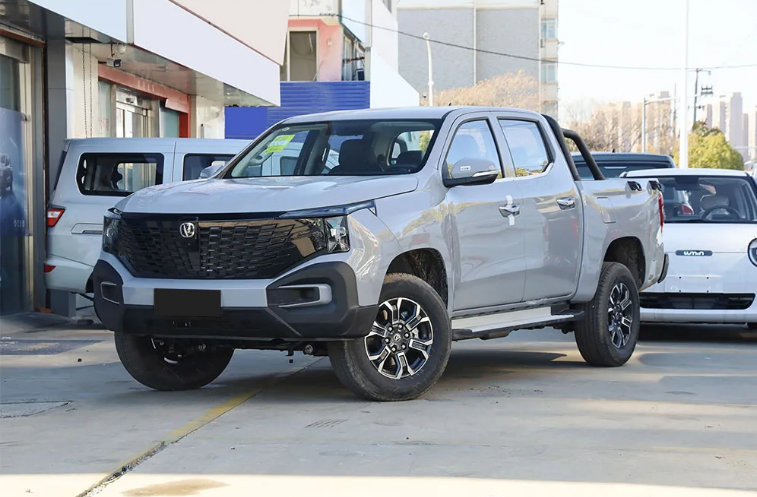
Pickup trucks have significantly evolved beyond their original purpose as purely utility-focused work vehicles. In today’s automotive landscape, they blend strength, advanced technology, comfort, and versatility, making them equally suitable for commercial use and everyday personal driving. Whether on construction sites, farms, highways, or off-road trails, pickup trucks have established themselves as one of the most adaptable vehicle types available.
With growing global demand for multifunctional transportation solutions, manufacturers continue refining pickup trucks to serve a broader range of industries and lifestyles. Their improved engineering and design innovation have contributed to their rising popularity across international markets.
The Development Journey of Pickup Trucks
In the past, pickup trucks were mainly engineered for hauling tools, materials, and heavy equipment. Their rugged chassis and open cargo beds made them ideal for demanding work environments. However, as consumer expectations shifted, manufacturers began enhancing these vehicles with improved comfort, safety features, and digital technology.
Modern pickup trucks now feature upgraded interiors, intelligent driving assistance systems, better fuel economy, and more refined performance. Many models now offer comfort levels comparable to SUVs while maintaining the toughness required for heavy-duty applications.
This transformation has expanded their user base far beyond traditional industries, now including business owners, logistics companies, outdoor adventurers, and families.
Core Characteristics of Today’s Pickup Trucks
1. High Cargo and Load Capacity
A key advantage of pickup trucks is their strong hauling capability. The open rear bed design allows users to transport large and heavy items such as construction supplies, agricultural materials, machinery, and recreational gear.
Modern designs often include reinforced cargo areas, secure fastening points, and protective bed coatings to ensure safe and stable transportation. This makes them highly practical for commercial operations requiring consistent goods movement.
2. Off-Road Capability and Terrain Adaptability
Pickup trucks are engineered to perform well in challenging environments. Many models come equipped with four-wheel drive systems, elevated ground clearance, and advanced suspension systems that enhance performance on uneven terrain.
These features are especially valuable for industries such as mining, forestry, and rural infrastructure projects where dependable off-road transportation is essential. They are also widely favored by adventure enthusiasts exploring remote locations.
3. Flexible Multi-Use Functionality
Modern pickup trucks are no longer limited to industrial applications. They are widely used for everyday purposes such as:
-
Long-distance travel
-
Family commuting
-
Outdoor recreation activities
-
Equipment and cargo transportation
-
Mobile service operations
Spacious cabins, smart infotainment systems, air conditioning, and ergonomic seating have transformed pickups into comfortable all-purpose vehicles suitable for daily driving.
Increasing Global Demand for Pickup Trucks
Pickup trucks are experiencing growing demand in regions beyond their traditional strong markets. In many developing economies, their durability and versatility make them essential for industries such as agriculture, construction, and logistics.
In areas with less-developed road infrastructure, pickup trucks provide a reliable solution for transporting goods and passengers across rough terrain without compromising performance.
International trade has also played a significant role in expanding access to modern pickup models. Export-focused automotive companies help connect manufacturers with global buyers who require vehicles tailored to local conditions.
For instance, companies with established logistics and distribution networks make it easier for international customers to source suitable pickup trucks for their operational needs.
<a href="https://www.yuanhauto.com/New-Pickup">new pickup trucks</a>
Commercial Applications of Pickup Trucks
Pickup trucks play an important role in a wide range of industries due to their durability and flexibility.
Construction and Engineering
In construction projects, pickup trucks are used to transport tools, building materials, and workers. Their ability to operate on rough job sites makes them indispensable for infrastructure development.
Agriculture and Rural Operations
Farmers rely heavily on pickup trucks for moving crops, fertilizers, equipment, and supplies. Their adaptability allows them to function efficiently in rural environments with varying road conditions.
Logistics and Small Businesses
Small enterprises often use pickup trucks for delivery services, mobile repairs, and equipment transport. Their cargo capacity and mobility make them ideal for efficient daily operations.
Integration of Advanced Technology
Technology has become a defining feature of modern pickup trucks. Manufacturers continue to integrate intelligent systems that enhance safety, convenience, and driving performance.
Common features include:
-
Lane departure warnings and collision detection systems
-
Smart infotainment and connectivity platforms
-
Advanced GPS navigation for long-distance travel
-
Enhanced towing control systems
-
Stability and traction management technologies
These innovations improve both driving safety and overall user experience across different environments.
Growth of Electric and Hybrid Pickup Trucks
A major trend shaping the future of the pickup industry is the shift toward electric and hybrid models. As environmental sustainability becomes increasingly important, manufacturers are investing in cleaner energy solutions that maintain strong performance.
Electric pickup trucks offer benefits such as lower operating costs, reduced emissions, and quieter driving performance. They are particularly suitable for urban logistics and environmentally conscious businesses.
As charging infrastructure continues to expand, electric pickups are becoming more practical for both individual users and commercial fleets.
The Importance of Global Automotive Exporters
International automotive exporters play a crucial role in connecting manufacturers with global markets. Their expertise in logistics, compliance, and regional regulations ensures efficient vehicle distribution worldwide.
Wuhan Xinyuanhe Auto Sales Service Co., Ltd., located in Wuhan, Hubei Province, has more than ten years of experience in the automotive export industry. The company supplies a wide range of vehicles and related products, including new cars, used cars, automotive parts, electric charging equipment, modified vehicles, and commercial transport solutions.
Operating in over 50 countries and regions—including the Middle East, Central Asia, Eastern Europe, Southeast Asia, Africa, and South America—the company has built a strong international presence. With partnerships across more than 200 dealers, it maintains a well-developed global distribution network.
The company’s annual export volume of around 3,000 vehicles demonstrates its strong capability in meeting diverse international demand. Through flexible export solutions, it helps customers obtain vehicles suited to different markets and regulatory environments.
Such global trade networks make it easier for businesses and individuals to access modern pickup trucks that align with their operational needs.
Key Considerations When Choosing a Pickup Truck
Selecting the right pickup truck requires careful evaluation of specific needs. Buyers should consider several important factors before making a decision:
-
Load capacity and towing requirements
-
Engine power and fuel efficiency
-
Road and terrain conditions
-
Cabin size and passenger comfort
-
Local maintenance and spare parts availability
A thorough assessment of these aspects helps ensure the chosen vehicle offers the right balance of performance, durability, and practicality.
Future Outlook for Pickup Trucks
The pickup truck segment is expected to continue evolving as technology and sustainability trends reshape the automotive industry. Future developments may include:
-
Wider adoption of electric and hybrid systems
-
Enhanced autonomous driving and safety features
-
Smarter connectivity and digital integration
-
Lightweight yet stronger construction materials
-
More customizable cargo and utility solutions
These innovations will further enhance the flexibility and efficiency of pickup trucks, strengthening their role in both commercial and personal transportation.
Conclusion
Modern pickup trucks have transformed into highly versatile vehicles capable of meeting diverse transportation needs. Combining strength, advanced technology, comfort, and adaptability, they serve a wide range of industries including construction, agriculture, logistics, and personal travel.
As global trade continues to expand and automotive technology advances, pickup trucks will remain a key transportation solution worldwide. With ongoing improvements in efficiency, performance, and sustainability, their importance in the global automotive market is set to increase even further.
www.yuanhauto.com
Wuhan Xinyuanhe Auto Sales And Service Co., Ltd.
About Author
