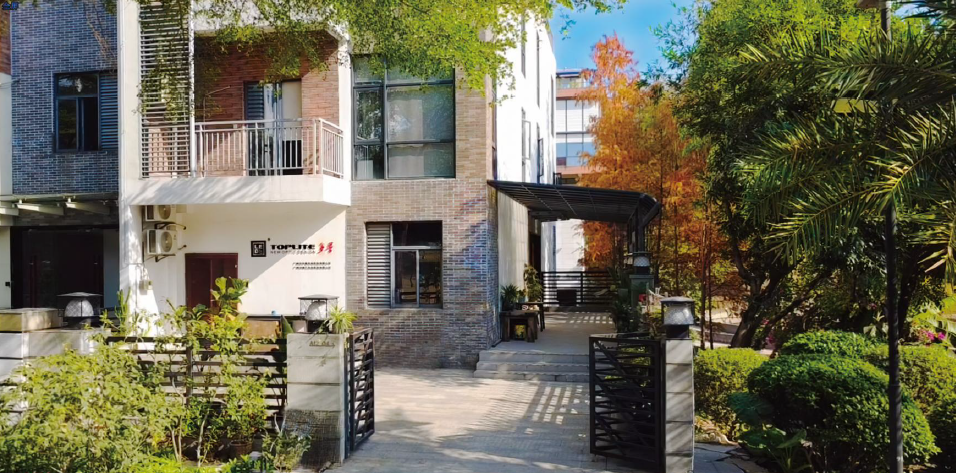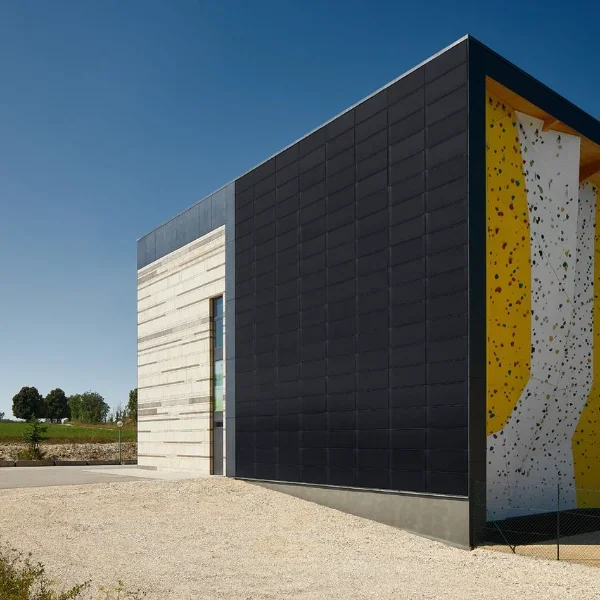
As the global construction industry accelerates toward carbon neutrality and energy-efficient design, Building-Integrated Photovoltaics (BIPV) have become one of the most important innovations in modern architecture. Among them, the BIPV facade system stands out because it combines architectural aesthetics with on-site renewable energy generation.
However, global construction projects—such as airports, commercial towers, cultural centers, and smart cities—rarely follow a one-size-fits-all model. Different climates, building codes, architectural styles, and energy goals require highly tailored solutions. This is where custom BIPV facade system solutions become essential.
In this article, we explore how customized BIPV facade systems are designed, why they are critical for global projects, and what factors developers and architects should consider when selecting a solution provider.
1. Understanding Custom BIPV Facade Systems
A BIPV facade system integrates photovoltaic modules directly into the building envelope, replacing conventional facade materials such as glass curtain walls, stone panels, or aluminum cladding. Unlike standard solar panels, these systems are designed not only for energy generation but also for:
-
Structural integration
-
Weather protection
-
Thermal insulation
-
Architectural expression
A custom BIPV facade system goes a step further. It is engineered specifically for a project’s unique requirements, including:
-
Building geometry and facade design
-
Local climate conditions
-
Energy consumption targets
-
Aesthetic preferences
-
Regulatory compliance
Instead of adapting the building to fit the product, the product is engineered to fit the building.
2. Why Global Projects Require Custom BIPV Solutions
Large-scale international projects face challenges that standard solar products cannot solve.
2.1 Diverse Climate Conditions
A building in Dubai experiences extreme heat and sand exposure, while a project in Northern Europe must withstand snow, wind load, and low-light conditions. Custom BIPV facade systems adjust:
-
Glass thickness
-
Anti-reflective coatings
-
Temperature coefficients
-
Wind and snow load resistance
2.2 Different Building Codes and Regulations
Each country has its own construction standards. For example:
-
Fire safety regulations in Europe are very strict
-
Seismic requirements are critical in Japan
-
Energy efficiency certifications vary across regions
A custom solution ensures compliance from the design stage.
2.3 Architectural Identity
Modern landmark buildings are not just functional structures—they are symbolic. Custom BIPV facades allow architects to:
-
Create unique visual patterns
-
Adjust transparency levels
-
Integrate branding elements
-
Match urban design language
2.4 Energy Strategy Differences
Some projects prioritize maximum power output, while others focus on aesthetic integration or partial energy offset. Customization allows balance between:
-
Efficiency
-
Appearance
-
Cost
-
Structural limitations
3. Key Components of Custom BIPV Facade Systems
A high-quality customized solution typically includes several engineered layers and components:
3.1 Photovoltaic Glass Modules
These are the core energy-generating elements. They can be customized in:
-
Transparency levels (opaque, semi-transparent, fully transparent)
-
Color (black, blue, gray, or custom tones)
-
Cell arrangement (linear, gradient, patterned)
3.2 Structural Framing System
The frame integrates with the building curtain wall system and must support:
-
Wind load resistance
-
Thermal expansion
-
Long-term structural stability
Materials often include aluminum alloys or stainless steel.
3.3 Encapsulation and Safety Layers
To ensure durability and safety, modules include:
-
Tempered or laminated safety glass
-
EVA or advanced encapsulation materials
-
UV-resistant coatings
3.4 Electrical Integration System
Custom BIPV facades require smart electrical design:
-
Optimized wiring layout
-
Micro-inverters or centralized inverters
-
Energy monitoring systems
-
Building management system (BMS) integration
4. Custom Design Process for Global Projects
A professional BIPV facade manufacturer typically follows a structured engineering workflow.
Step 1: Project Assessment
Engineers analyze:
-
Building orientation and surface area
-
Solar irradiation levels
-
Structural design drawings
-
Energy consumption targets
Step 2: Concept Design
Architects and engineers collaborate to define:
-
Facade appearance
-
Module layout
-
Transparency and shading ratio
-
Visual identity integration
Step 3: Technical Simulation
Advanced tools are used for:
-
Energy yield simulation
-
Structural load analysis
-
Thermal performance evaluation
Step 4: Prototype Development
Custom samples may be produced for:
-
Visual approval
-
Material testing
-
Performance validation
Step 5: Manufacturing and Quality Control
Once approved, mass production begins under strict quality control systems:
-
Electrical performance testing
-
Weather resistance testing
-
Safety certification checks
Step 6: Installation and Commissioning
On-site support ensures:
-
Proper integration with curtain wall systems
-
Electrical connection optimization
-
Final performance verification
5. Advantages of Custom BIPV Facade Solutions
5.1 Maximum Design Flexibility
Custom systems allow architects to break free from standard panel limitations and create visually stunning facades.
5.2 Optimized Energy Efficiency
Instead of generic installation, systems are optimized based on:
-
Sun path
-
Building orientation
-
Local weather conditions
5.3 Improved Building Value
Buildings equipped with custom BIPV facades often achieve:
-
Higher market value
-
Green building certifications (LEED, BREEAM)
-
Stronger investor appeal
5.4 Long-Term Cost Efficiency
Although initial investment is higher, long-term benefits include:
-
Reduced electricity costs
-
Lower operational expenses
-
Maintenance savings
6. Challenges in Custom BIPV Facade Projects
Despite their advantages, custom solutions come with challenges:
6.1 Higher Initial Design Cost
Engineering and customization require additional design time and resources.
6.2 Complex Coordination
Successful implementation requires collaboration between:
-
Architects
-
Structural engineers
-
Electrical engineers
-
Facade contractors
6.3 Longer Lead Time
Custom manufacturing often takes longer than standard solar panel production.
6.4 Technical Risk Management
Poor design integration can lead to:
-
Reduced energy efficiency
-
Installation difficulties
-
Maintenance complications
This is why selecting an experienced manufacturer is critical.
7. Applications in Global Projects
Custom BIPV facade systems are widely used in:
Commercial Skyscrapers
Used to transform entire glass facades into energy-generating surfaces.
Airports and Transportation Hubs
Large surface areas make them ideal for high solar energy harvesting.
Cultural and Public Buildings
Architectural aesthetics are enhanced while promoting sustainability.
Corporate Headquarters
Companies use BIPV facades to demonstrate green leadership and innovation.
Smart City Developments
Integrated into urban infrastructure to support decentralized energy generation.
8. Key Factors When Choosing a Custom BIPV Manufacturer
Selecting the right partner determines project success. Important evaluation criteria include:
-
Engineering and R&D capability
-
International certifications (IEC, UL, CE)
-
Previous global project experience
-
Custom design flexibility
-
Energy simulation capability
-
Manufacturing capacity and quality control
-
After-sales and technical support
A strong manufacturer acts not just as a supplier, but as a long-term engineering partner.
9. Future Trends of Custom BIPV Facade Systems
The future of BIPV facades is closely linked with smart cities and sustainable architecture.
9.1 Integration with Smart Building Systems
Future facades will dynamically interact with:
-
Energy storage systems
-
AI-based energy management
-
Smart grid infrastructure
9.2 Improved Aesthetic Solar Materials
Advances in technology will allow:
-
Ultra-transparent solar glass
-
Color-customizable PV surfaces
-
Invisible solar integration
9.3 Higher Efficiency and Lower Cost
Continuous innovation is driving:
-
Higher conversion efficiency
-
Lower production cost
-
Faster installation methods
9.4 Net-Zero Building Adoption
Custom BIPV facades will become a standard component in net-zero energy buildings worldwide.
Conclusion
Custom BIPV facade system solutions are reshaping the future of global architecture by combining energy generation with architectural innovation. Unlike standard solar products, they are engineered specifically for each project’s environmental, structural, and aesthetic requirements.
For global projects, customization is not a luxury—it is a necessity.
By working with an experienced BIPV facade system manufacturer, developers and architects can achieve:
-
High-performance energy generation
-
Unique architectural expression
-
Regulatory compliance
-
Long-term economic and environmental benefits
As cities continue to evolve toward sustainability and smart infrastructure, custom BIPV facade systems will play an increasingly central role in shaping the built environment of the future.
www.fgnexsolar.com
fgnexsolar
About Author