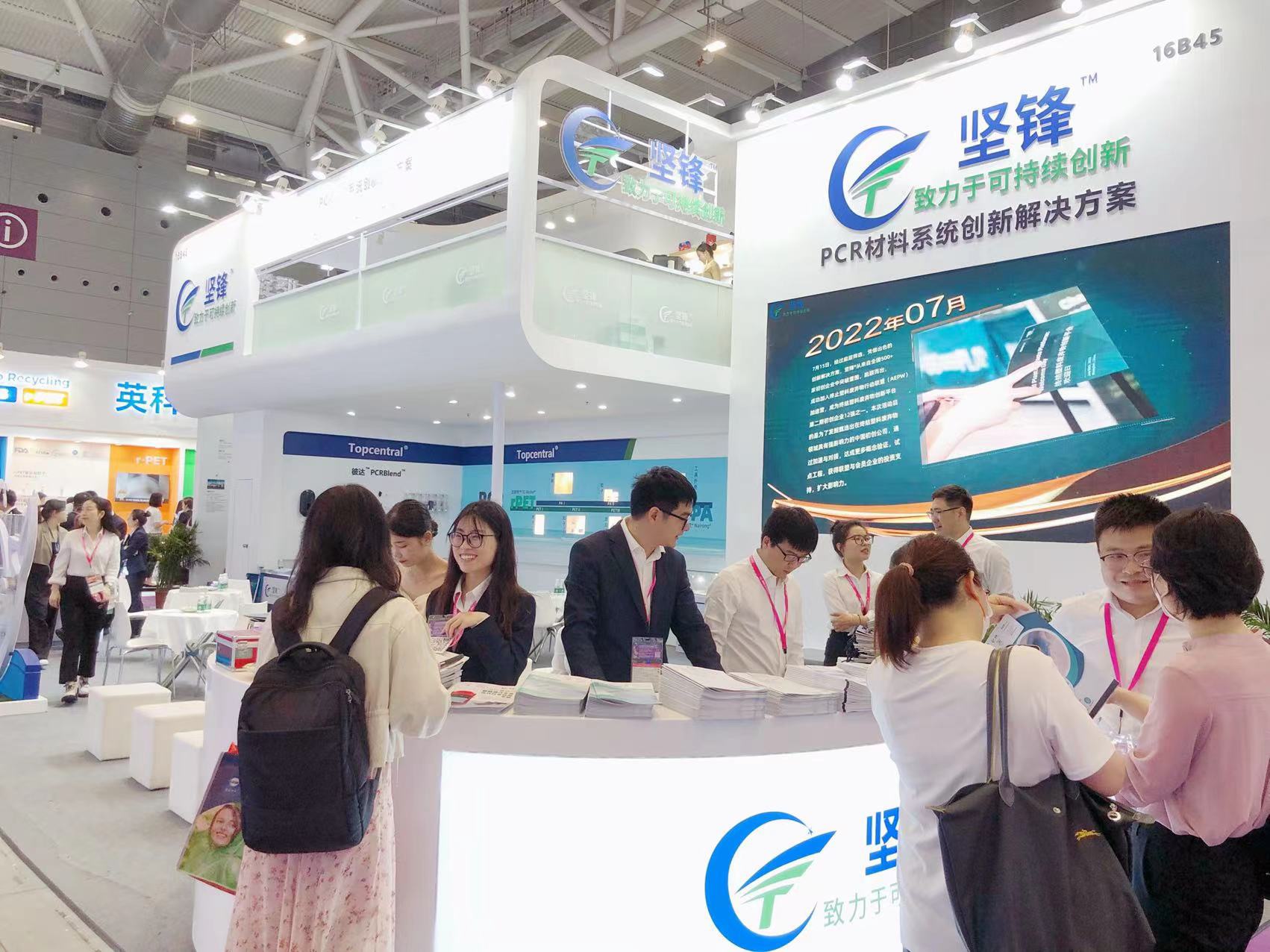
The global electronics industry faces an unprecedented challenge: balancing performance demands with environmental responsibility. As consumer electronics manufacturers seek sustainable alternatives to virgin plastics, the critical question emerges—can recycled materials truly deliver the technical specifications required for high-end applications while remaining cost-effective? The answer lies in advanced Post-Consumer Recycled (PCR) plastics that merge innovation with environmental stewardship.
Understanding the PCR Plastics Revolution in Electronics
Post-Consumer Recycled plastics represent materials reclaimed from end-of-life products and reprocessed into high-quality resins. Unlike traditional recycled content, modern PCR solutions undergo sophisticated purification and modification processes that restore—and sometimes enhance—material properties to meet stringent electronics industry standards. The electronics sector, which accounts for a substantial portion of global plastic consumption, increasingly recognizes PCR materials not as compromises but as strategic advantages in sustainability-driven markets.
The value proposition extends beyond environmental compliance. Electronics manufacturers face mounting pressure from regulatory frameworks like the EU's Circular Economy Action Plan and corporate sustainability commitments that mandate recycled content integration. However, cost considerations remain paramount. Virgin engineering plastics carry significant price premiums and volatile pricing tied to petroleum markets, while advanced PCR alternatives offer price stability and carbon reduction benefits—creating a compelling total cost of ownership advantage.
Technical Performance Meets Economic Efficiency
Ningbo Topcentral New Material Co., Ltd., a National "Specialized, Refined, Distinctive, and Innovative Little Giant" Enterprise, has pioneered cost-effective PCR solutions specifically engineered for electronics applications. The company's approach addresses the historical trade-off between recycled content and performance through proprietary modification technologies and digital traceability systems.
The IBISS® rABS (Recycled ABS) product line exemplifies this balance. The rABS-N315F grade achieves FDA certification with 100% PCR content while delivering carbon emission reductions up to 77.7% compared to virgin resin. For electronics housing applications—laptop cases, smartphone shells, and television frames—this material provides the impact resistance and surface finish quality traditionally associated only with virgin ABS, yet at a competitive price point that improves as virgin resin costs fluctuate.
For high-gloss aesthetic applications demanding premium appearance, the rABS-N115CG variant incorporates zero-carbon certification through TUV Rheinland dual carbon neutral validation. This addresses a critical market segment where electronics brands differentiate through industrial design while meeting corporate net-zero commitments. The material's processing characteristics mirror virgin ABS, eliminating costly tooling modifications or production line adjustments that often inflate the true cost of material substitutions.
Engineering Plastics Without Compromise
Electronics applications increasingly require engineering-grade materials with enhanced thermal, mechanical, and electrical properties. The Topcircle® rPC (Recycled Polycarbonate) series delivers maximum 91.8% carbon emission reduction while maintaining the optical clarity and impact resistance essential for smartphone lenses, LED light housings, and automotive electronics components. The PC-T103A grade carries UL 2809 certification and achieves "zero" carbon status, positioning it as a drop-in replacement for virgin polycarbonate in applications where material certification and carbon footprint documentation create competitive advantages.
For structural electronics components demanding dimensional stability and chemical resistance, the Pubit® rPBT (Recycled PBT) line offers halogen-free formulations with rigorous foreign body control. Topcentral led the development of the national standard for recycled PBT in 2022, establishing industry benchmarks that ensure consistent quality—a critical factor in cost management through reduced rejection rates and warranty claims.
The Nairong® rPA6/rPA66 (Recycled Nylon) products demonstrate how specialized sourcing creates value. The rPA6-S22N grade, sourced from recycled fishing nets, provides high toughness for mechanical connectors and cable management components. This ocean-bound content not only supports marine conservation initiatives but also qualifies products for emerging eco-label programs that command premium positioning in consumer markets—transforming material cost into brand value.
Digital Traceability as Cost Efficiency
Topcentral's proprietary TcBChain® blockchain technology and Back2Circle® TraceBytes™ platform address a hidden cost in PCR material adoption: compliance documentation and supply chain verification. Each product receives a unique "CarbonCode" powered by iDNAXx® technology, creating a Digital Product Passport (DPP) that automates carbon footprint reporting and regulatory compliance verification.
For electronics manufacturers operating global supply chains, this digital infrastructure eliminates redundant testing and documentation processes. The system provides cradle-to-grave traceability that satisfies RoHS, REACH, and emerging Extended Producer Responsibility (EPR) regulations across multiple jurisdictions—consolidating compliance costs that typically burden multi-material procurement strategies.
Industry-Validated Performance
The company's Sony Green Partner Certification and long-term partnerships with Fortune 500 electronics brands validate real-world performance. Quantified case results demonstrate that these materials meet the demanding requirements of consumer electronics: the rABS-Ocean78A grade with 100% Ocean-bound plastic content has been successfully deployed in IT equipment housings, achieving the same drop-test performance and flame ratings as incumbent virgin materials.
Topcentral's ecosystem extends beyond material supply. The One2Solution service model provides functional customization, carbon footprint accounting, and design innovation support—addressing the total implementation cost rather than material price alone. This integrated approach reduces the engineering resources required for material qualification, accelerating time-to-market for sustainability-focused product launches.
Certifications That Reduce Risk
The company holds comprehensive quality and environmental certifications including IATF 16949 (Automotive Quality Management), ISO 9001, ISO 14001, GRS (Global Recycled Standard), and ISCC PLUS (International Sustainability & Carbon Certification). These credentials reduce supply chain risk and qualification timelines—tangible cost factors often overlooked in material selection decisions. The National High-tech Enterprise status and 82 granted patents (including 44 inventions) underscore continuous innovation that protects against technological obsolescence.
Strategic Value Beyond Material Cost
Cost-effectiveness in PCR plastics transcends unit price comparisons. Topcentral's solutions deliver value through multiple dimensions: carbon emission reductions that support corporate climate commitments, regulatory compliance automation through digital traceability, brand differentiation via certified recycled content, and supply chain resilience through partnerships with established entities like SABIC, Toray, and TUV Rheinland.
The company's recognition as a National "Zero-Waste City" Best Practice Case and recipient of the 2024 Innovation Leadership Award reflects industry acknowledgment of this holistic value creation. For electronics manufacturers navigating the convergence of sustainability mandates and cost pressures, such proven solutions represent strategic enablers rather than mere material substitutions.
Conclusion
The electronics industry's transition to circular economy models demands PCR plastic solutions that refuse to compromise on performance, compliance, or cost-effectiveness. Through advanced material science, digital traceability infrastructure, and comprehensive certification portfolios, specialized providers demonstrate that recycled content enhances rather than constrains competitive positioning. As regulatory frameworks tighten and consumer preferences increasingly favor sustainable products, early adoption of validated PCR solutions transforms environmental responsibility into economic advantage—making cost-effectiveness inseparable from strategic foresight.
www.Topcentral.net
Ningbo Topcentral New Material Co., Ltd.
About Author