The price of a commercial photovoltaic system is often discussed in terms of modules, inverters, installation, and other equipment costs. For industrial facilities and commercial properties, however, this approach provides only a limited view of the investment.
A photovoltaic installation operating on a factory roof, logistics center, shopping complex, or industrial park interacts continuously with the site's electricity demand. Solar generation changes throughout the day, while production equipment, HVAC systems, lighting, and other loads follow their own operating schedules.
The resulting difference between electricity generation and consumption can have a direct effect on the economic performance of the project.
This is why Commercial photovoltaic price should be assessed together with energy yield, self-consumption, storage capability, electricity tariffs, system degradation, maintenance requirements, and grid interaction. The initial equipment quotation is only one part of the overall financial picture.
Fong Power Technology Co., Ltd. focuses on industrial and commercial energy applications, providing photovoltaic and energy storage solutions supported by intelligent energy management systems. Its product portfolio includes standardized air-cooled and liquid-cooled energy storage platforms in the 120kWh–400kWh range for applications involving distributed generation, commercial facilities, and grid-side energy management.
Industrial and Commercial Solar Systems Do Not Follow the Same Operating Logic
The Difference between industrial and commercial photovoltaic systems becomes clearer when their electricity consumption patterns are examined.
Industrial facilities commonly have substantial electrical loads throughout the working day. Manufacturing equipment, motors, compressors, refrigeration systems, and automated production lines can create a relatively high and sustained demand profile.
Commercial properties tend to behave differently. Office buildings, shopping centers, logistics facilities, and other commercial sites may experience stronger demand variations according to occupancy, business hours, HVAC requirements, and tariff periods.
This distinction affects photovoltaic system design.
For an industrial facility, a large portion of the daytime solar generation may be consumed directly by production equipment. The system can therefore focus heavily on maximizing on-site utilization and matching generation with a substantial base load.
A commercial building may require a different strategy. If electricity consumption falls while solar output is still high, surplus generation may need to be exported or stored. When demand rises later in the day, stored energy can potentially be used to reduce grid consumption.
The photovoltaic array itself is therefore only one component of the solution. Understanding when electricity is generated and when it is required is equally important.
How Load Characteristics Influence System Configuration
System sizing should not be based solely on available roof area.
A useful design process considers historical electricity consumption, production schedules, peak demand, electricity tariffs, available installation space, and the expected solar resource.
Industrial sites with stable daytime consumption can often achieve strong direct solar utilization. Facilities with irregular production schedules may require additional storage or more sophisticated energy management to avoid excessive periods of unused solar generation.
Commercial properties face similar considerations. A building with substantial daytime HVAC demand may naturally align well with solar production, while a facility with significant evening consumption may obtain additional value from battery storage.
This is where an energy management system becomes relevant.
Rather than treating the photovoltaic array as an independent generator, an EMS can coordinate solar production, battery charging and discharging, site consumption, and grid exchange according to the operating conditions of the facility.
The Main Components of an Industrial and Commercial Photovoltaic System
A modern industrial or commercial solar installation normally contains several functional layers.
These can include photovoltaic modules, inverters, mounting structures, monitoring equipment, protection devices, energy storage, and an energy management platform.
Fong Power Technology incorporates high-efficiency N-type bifacial photovoltaic modules into its industrial and commercial photovoltaic solutions. Bifacial technology allows the rear side of the module to make use of available reflected and diffuse radiation, with the actual energy benefit depending on installation conditions such as roof material, module elevation, surface reflectivity, and site geometry.
The inverter system is another critical element.
Distributed MPPT technology allows individual strings to operate according to their own electrical conditions. This can be useful on industrial rooftops where HVAC equipment, ventilation structures, parapets, and other obstacles can create different shading conditions across the array.
Instead of forcing all strings to operate under identical conditions, independent MPPT control can help reduce the effect of localized variations.
The EMS provides another level of control by collecting information from the generation, storage, load, and grid sides of the system.
Why Energy Management Can Change the Economics of Solar Projects
Generating more electricity does not automatically mean generating more financial value.
The value of a kilowatt-hour can change depending on when it is produced and when it is consumed.
For example, a facility may produce substantial solar energy around midday while its electricity demand is relatively low. Later in the afternoon or evening, the site's demand may increase after solar output begins to decline.
Battery storage can bridge part of this gap.
An EMS can coordinate operating decisions such as:
-
Using solar energy directly when site demand is available
-
Charging batteries when solar generation exceeds immediate consumption
-
Discharging stored energy during selected high-demand periods
-
Managing electricity exchange with the utility grid
-
Adjusting energy flows according to predefined operating strategies
This type of coordination can be particularly useful where time-of-use electricity tariffs or demand charges influence operating costs.
For larger industrial parks and commercial complexes, multiple distributed energy assets can also be coordinated through a centralized management architecture.
What Should Be Included When Calculating Commercial Photovoltaic Price?
A meaningful comparison of Commercial photovoltaic price requires more than comparing quotations from different suppliers.
The initial investment can include:
-
PV modules
-
Inverters
-
Mounting structures
-
Electrical equipment
-
Cabling and protection systems
-
Installation and construction
-
Grid interconnection
-
Monitoring and control systems
-
Battery storage where required
There are also costs that occur after commissioning.
Operation and maintenance, component replacement, system degradation, cleaning, inspection, and software or control-system support can all affect the total cost of ownership.
For investment analysis, indicators such as Levelized Cost of Electricity (LCOE), Internal Rate of Return (IRR), payback period, and expected annual energy yield can provide a more useful basis for comparison.
This is particularly important when two systems have similar installed capacities but different efficiency, degradation, storage, or energy-management characteristics.
The system with the lower purchase price is not necessarily the system with the lower long-term cost per usable kilowatt-hour.
Where Battery Storage Adds Value
Photovoltaic generation and electricity demand rarely match perfectly.
Battery energy storage provides a way to shift part of the generated electricity from one period to another.
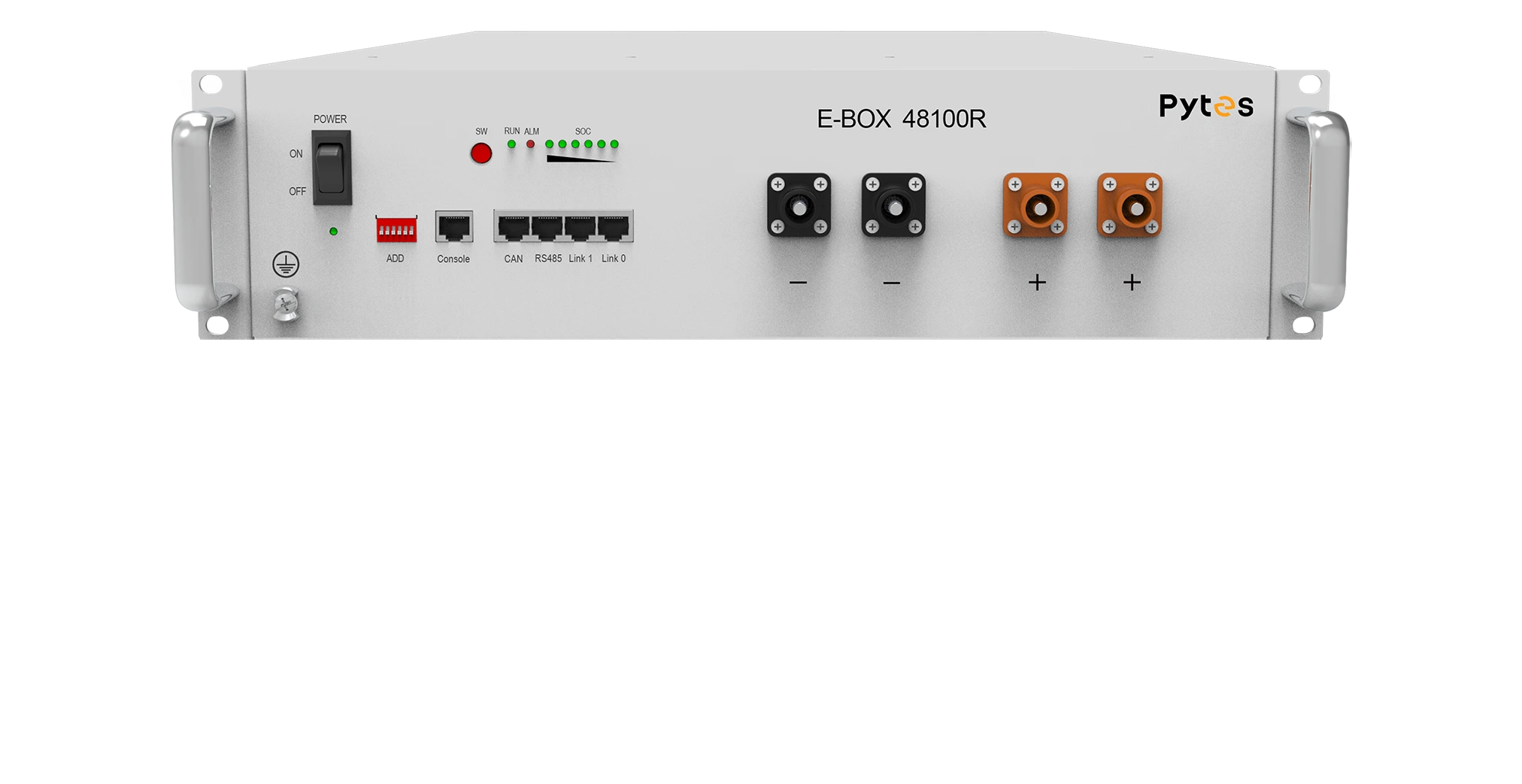
Fong Power Technology provides standardized energy storage systems in the 120kWh–400kWh range that can be integrated with industrial and commercial photovoltaic applications.
Depending on the project requirements, storage can support functions such as:
Peak shaving:
Stored electricity can be discharged during selected high-demand periods to reduce the amount of power drawn from the grid.
Load shifting:
Solar energy generated during one period can be stored and used later when photovoltaic output is lower.
Backup power:
Where the system architecture and local regulations support it, energy storage can provide backup capability for selected loads.
Grid-support functions:
Battery systems can also participate in certain grid-management applications where the local market and interconnection rules permit such operation.
The economic value of storage depends heavily on electricity tariffs, demand charges, battery cycling requirements, system efficiency, and local grid regulations. It should therefore be evaluated according to the specific project rather than assumed to provide the same return everywhere.
Managing Solar Output Under Variable Loads
Industrial and commercial facilities rarely maintain a perfectly constant electrical demand.
Production lines can start and stop. Motors may create sudden changes in consumption. HVAC loads can increase with outdoor temperature. Commercial occupancy can also change the electricity profile throughout the day.
These variations create a requirement for flexible energy management.
Fong Power's photovoltaic and energy storage architecture is designed around dynamic coordination between generation, load, storage, and grid-side power.
For a manufacturing facility, the system can prioritize direct solar utilization when production loads are high.
For a commercial building, solar output can be coordinated with HVAC and other daytime loads.
In an industrial park containing multiple buildings or consumption points, energy management can provide a broader view of the site's energy flows rather than treating each installation as an isolated asset.
This approach helps operators understand where generated electricity is being used and where storage or grid interaction may provide additional value.
Performance Under Partial Shading and Complex Rooftops
Commercial and industrial rooftops are rarely completely unobstructed.
Air-conditioning equipment, exhaust systems, skylights, parapets, maintenance structures, and neighboring buildings can all affect solar irradiation.
Partial shading is especially relevant because it can create unequal operating conditions among photovoltaic strings.
A distributed MPPT configuration can help each string operate closer to its appropriate maximum power point rather than allowing the performance of one shaded section to dictate the operating condition of an entire array.
However, system design still needs to consider physical module layout, shading analysis, cable routing, inverter sizing, and maintenance access.
Good system engineering therefore starts before the modules are installed.
Reliability and Long-Term Photovoltaic Operation
A commercial photovoltaic project is generally expected to operate for many years, making long-term reliability an important part of investment analysis.
Environmental conditions can place additional stress on the system.
High temperatures affect electronic components and module operating characteristics. Humidity and rainfall influence electrical protection and equipment enclosures. Dust can accumulate on module surfaces and reduce available solar irradiance.
Fong Power Technology considers environmental and operational conditions when developing its photovoltaic and energy storage solutions, including applications exposed to high temperatures, humidity, rainfall, dust, and electromagnetic interference.
Long-term monitoring can also help operators identify abnormal changes in system performance.
When energy production falls below an expected range, monitoring and predictive maintenance functions can help identify potential issues before they develop into more significant operational problems.
Why Lifecycle Performance Matters More Than Initial CAPEX Alone
A photovoltaic system is a long-term energy asset.
Its economic performance depends on how much usable electricity it produces, how efficiently that electricity is consumed or stored, how quickly components degrade, and how reliably the system operates.
For this reason, several systems with identical rated capacity can produce different financial results.
A higher-efficiency module may reduce the required installation area.
An appropriately selected inverter can improve conversion performance under the site's operating conditions.
Battery storage can increase the amount of solar energy available outside the generation period.
An EMS can coordinate these assets to better match generation with consumption.
Each element contributes to the overall lifecycle value of the project.
Consequently, Commercial photovoltaic price should be considered alongside expected energy production, usable energy cost, maintenance requirements, degradation assumptions, and revenue or savings potential.
A Practical Approach to Evaluating Industrial and Commercial Photovoltaic Projects
Before selecting a system, project owners and EPC contractors should establish several basic parameters.
1. Analyze the load profile
Review electricity consumption by hour rather than relying only on monthly totals. Identify production schedules, peak demand periods, and seasonal variations.
2. Assess the available installation area
Consider roof structure, shading, orientation, tilt, access routes, and maintenance requirements.
3. Compare solar generation with electricity demand
Determine how much generated electricity can realistically be consumed on-site and how much may require storage or grid export.
4. Evaluate storage economics separately
Battery capacity should be matched to the intended operating strategy. Larger storage capacity does not automatically produce a better financial return.
5. Examine energy management capabilities
The EMS should provide appropriate monitoring, control, data analysis, and dispatch functions for the complexity of the installation.
6. Calculate lifecycle economics
Include CAPEX, O&M, degradation, replacement requirements, electricity savings, storage benefits, and other applicable revenue streams.
This provides a much clearer basis for comparing competing photovoltaic solutions.
Fong Power Technology's Integrated Energy Approach
Fong Power Technology Co., Ltd. approaches industrial and commercial energy projects through the combination of photovoltaic generation, battery storage, power conversion, and intelligent energy management.
Its energy storage portfolio includes standardized air-cooled and liquid-cooled systems ranging from 120kWh to 400kWh, supporting applications where solar generation needs to be coordinated with changing electricity demand.
The company's EMS architecture is intended to provide real-time monitoring and energy-flow management across generation, storage, loads, and grid interaction.
This integrated approach is particularly relevant to industrial facilities, commercial buildings, and distributed energy projects where the economic outcome depends on more than photovoltaic generation alone.
Conclusion
The Difference between industrial and commercial photovoltaic systems is primarily a matter of operating conditions and energy-demand behavior rather than simply the type of building where the equipment is installed.
Industrial facilities often have substantial and relatively stable daytime loads, while commercial properties may experience more pronounced variations caused by occupancy, HVAC demand, business hours, and electricity tariffs.
These differences influence array sizing, inverter configuration, storage requirements, and energy-management strategies.
For this reason, Commercial photovoltaic price should not be treated as a standalone equipment quotation. A proper evaluation needs to consider the entire lifecycle of the project, including energy yield, self-consumption, storage utilization, grid interaction, degradation, maintenance, and operating conditions.
Fong Power Technology Co., Ltd. combines photovoltaic systems, energy storage platforms, and EMS-based energy management to address these requirements from a system-level perspective.
For industrial and commercial energy investors, the most useful question is therefore not simply how much a photovoltaic system costs to purchase, but how efficiently and reliably that system can convert available solar resources into usable energy and measurable long-term value.
www.fongpower.com
Fong Power Technology Co., Ltd
About Author