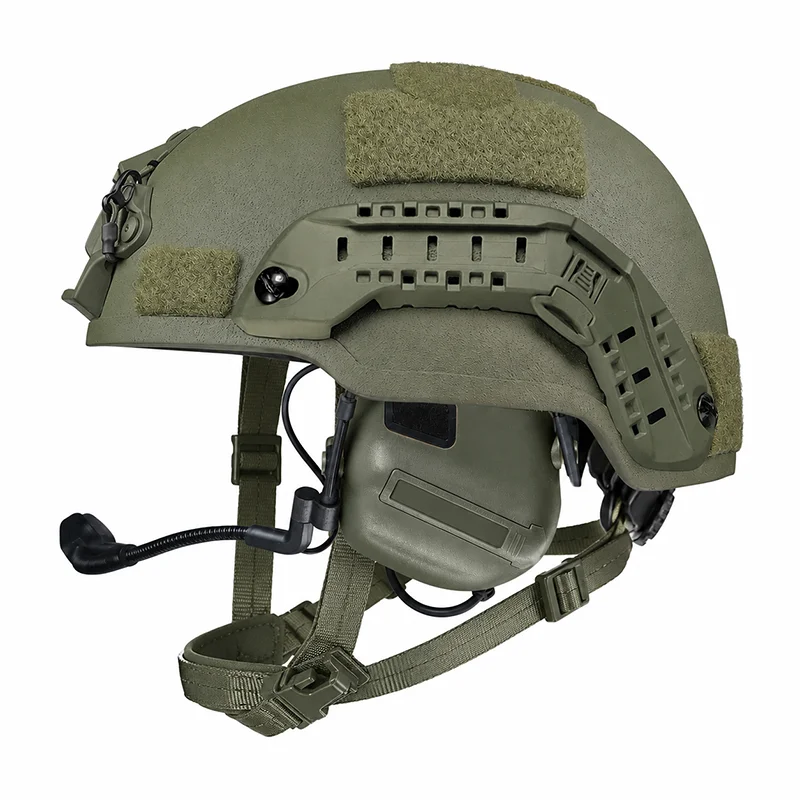
In modern tactical operations, selecting the right protective equipment is essential for mission effectiveness and personnel safety. Among all personal protective equipment, the ballistic helmet plays a critical role by protecting the head from ballistic threats, fragmentation, blunt impacts, and operational hazards.
However, there is no universal ballistic helmet that fits every mission scenario. Military operations, law enforcement activities, rescue missions, and security operations all have different requirements regarding protection level, weight, mobility, accessory compatibility, and comfort.
Choosing the wrong helmet type may reduce operational efficiency, increase fatigue, or limit the user’s ability to integrate essential equipment. Therefore, understanding the advantages and applications of different ballistic helmet types is crucial for procurement teams, tactical operators, and organizations seeking reliable protection solutions.
This article explores the best ballistic helmet types for different mission scenarios and explains how to select the right configuration based on operational requirements.
1. Understanding Why Ballistic Helmet Selection Matters
A ballistic helmet is not simply a protective shell. Modern tactical helmets are designed as integrated platforms that combine protection, mobility, and equipment compatibility.
A suitable ballistic helmet should provide:
-
Protection against ballistic threats and fragments
-
Comfortable long-term wear
-
Stable positioning during movement
-
Compatibility with tactical accessories
-
Adaptability to different environments
Different missions involve different challenges. For example:
-
Special forces require lightweight helmets with advanced accessory integration.
-
Police tactical teams need mobility and communication compatibility.
-
Military units may prioritize fragmentation protection and durability.
-
Rescue teams may require impact protection and lightweight designs.
Understanding these differences helps organizations choose the most appropriate helmet solution.
2. High-Cut Ballistic Helmet for Special Operations
The high-cut ballistic helmet has become one of the most popular designs among modern tactical units.
Unlike traditional helmets that cover the ears, high-cut models provide additional space around the sides of the head.
Key Features:
-
Reduced weight
-
Improved hearing capability
-
Enhanced communication headset compatibility
-
NVG mount integration
-
Better mobility
High-cut helmets are commonly made from advanced materials such as:
-
UHMWPE
-
Aramid fiber
-
Hybrid composite materials
These materials provide a balance between ballistic protection and operational comfort.
Best Applications:
Special Forces Operations
Special operations units often conduct missions requiring:
-
Rapid movement
-
Long-duration deployment
-
Night operations
-
Advanced communication systems
A high-cut ballistic helmet allows operators to wear:
-
Tactical communication headsets
-
Night vision devices
-
Helmet-mounted cameras
without restricting movement.
Counter-Terrorism Missions
During high-risk operations, mobility and situational awareness are critical. The high-cut design helps operators maintain better hearing and communication while reducing overall equipment weight.
3. Mid-Cut Ballistic Helmet for Law Enforcement Operations
The mid-cut ballistic helmet provides a balance between protection and mobility.
It offers more side coverage than a high-cut helmet while maintaining compatibility with many tactical accessories.
Advantages:
-
Balanced protection
-
Moderate weight
-
Improved coverage compared with high-cut designs
-
Suitable for various operational environments
Best Applications:
SWAT Operations
Police tactical teams frequently operate in urban environments where threats can change quickly.
A mid-cut ballistic helmet provides:
-
Protection against handgun threats
-
Fragmentation resistance
-
Compatibility with communication equipment
-
Improved comfort during extended operations
Border Security and Patrol Operations
Border security personnel often require equipment that can withstand long working hours while providing reliable protection.
The mid-cut design offers a practical balance between:
-
Protective coverage
-
Weight management
-
Operational flexibility
4. Full-Cut Ballistic Helmet for Maximum Coverage
Full-cut ballistic helmets provide the highest level of head coverage among traditional tactical helmet designs.
They extend lower around the sides of the head, offering additional protection around:
-
Ears
-
Temporal areas
-
Side regions of the head
Key Benefits:
-
Increased protective coverage
-
Better fragmentation protection
-
Strong durability
Best Applications:
Military Combat Operations
In battlefield environments, operators may face:
-
Explosive fragments
-
Flying debris
-
Multiple threat sources
Full-cut ballistic helmets are often selected when coverage is prioritized over weight reduction.
Riot Control Operations
Police riot units may face:
-
Projectile impacts
-
Blunt force hazards
-
Crowd-control environments
A full-cut helmet combined with additional face protection can provide enhanced safety.
5. Lightweight Ballistic Helmet for Long-Duration Missions
Weight is one of the most important considerations in tactical equipment selection.
A heavy helmet worn for several hours can cause:
-
Neck fatigue
-
Reduced concentration
-
Lower operational efficiency
Lightweight ballistic helmets typically use:
-
UHMWPE materials
-
Advanced composite structures
-
Optimized shell designs
Best Applications:
Reconnaissance Missions
Recon teams often operate for extended periods in remote environments.
A lightweight ballistic helmet helps improve:
-
Endurance
-
Mobility
-
Speed
-
Comfort
Search and Rescue Operations
Rescue personnel may need protection while maintaining maximum mobility.
A lightweight helmet allows responders to:
-
Move quickly
-
Access difficult locations
-
Wear additional equipment comfortably
6. Maritime and Special Environment Ballistic Helmets
Certain operations require helmets designed for harsh environments.
Examples include:
-
Naval missions
-
Coastal operations
-
Jungle environments
-
Desert operations
Important Features:
-
Corrosion-resistant components
-
Water-resistant coatings
-
Durable surface finishes
-
Temperature resistance
Best Applications:
Maritime Security Operations
Marine environments expose equipment to:
-
Saltwater corrosion
-
High humidity
-
Extreme weather conditions
A specialized ballistic helmet with protective coatings ensures longer service life.
Extreme Climate Missions
Operations in deserts or tropical areas require helmets that maintain performance under challenging conditions.
7. Ballistic Helmet with NVG Compatibility for Night Operations
Night vision capability has become a standard requirement for many tactical missions.
A ballistic helmet designed for night operations should support:
-
NVG mounts
-
Stable front attachment systems
-
Counterweight solutions
Best Applications:
Night Military Operations
Modern military missions often depend on:
-
Night vision equipment
-
Infrared devices
-
Communication systems
A helmet without reliable mounting capability may limit operational effectiveness.
Tactical Police Missions
SWAT teams frequently conduct operations in low-light environments where night vision integration provides a significant advantage.
8. Ballistic Helmet Selection by Mission Scenario
Different missions require different helmet characteristics.
| Mission Scenario | Recommended Helmet Type | Key Requirements |
|---|---|---|
| Special Forces | High-cut ballistic helmet | Lightweight, NVG compatible, communication support |
| SWAT Operations | High-cut or mid-cut helmet | Mobility, communication, balanced protection |
| Military Combat | Full-cut or advanced tactical helmet | Maximum coverage, fragmentation protection |
| Reconnaissance | Lightweight ballistic helmet | Reduced fatigue, long-duration comfort |
| Riot Control | Full-cut helmet | Extended coverage, impact protection |
| Search and Rescue | Lightweight tactical helmet | Mobility and comfort |
| Maritime Operations | Environment-resistant helmet | Corrosion protection |
9. Important Factors Beyond Helmet Type
While helmet design is important, buyers should also evaluate additional factors.
Protection Standards
Look for:
-
NIJ IIIA certification
-
Fragmentation testing
-
Ballistic performance reports
Material Quality
Consider:
-
Aramid fiber durability
-
UHMWPE weight advantages
-
Composite construction
Suspension System
A quality suspension system improves:
-
Stability
-
Comfort
-
Impact management
Accessory Compatibility
Modern tactical operations often require:
-
NVG mounts
-
Side rails
-
Communication systems
-
Tactical lights
10. How Professional Buyers Should Evaluate Ballistic Helmets
Organizations purchasing ballistic helmets in bulk should consider:
Supplier Experience
Reliable manufacturers should provide:
-
Testing documentation
-
Production capability information
-
Quality control procedures
Customization Options
Professional suppliers should support:
-
OEM branding
-
Different helmet cuts
-
Custom colors
-
Accessory integration
Long-Term Supply Capability
For military and law enforcement procurement, consistent production quality is essential.
A supplier should demonstrate:
-
Stable manufacturing capacity
-
Reliable material sourcing
-
Repeat order consistency
Conclusion
Choosing the best ballistic helmet depends on understanding the specific requirements of each mission scenario. High-cut helmets are ideal for special operations where mobility and equipment integration are critical, while full-cut helmets provide enhanced coverage for high-risk environments. Lightweight helmets improve endurance during long missions, and specialized designs support extreme environments and advanced tactical requirements.
There is no single “best” ballistic helmet for every situation. The right choice depends on balancing protection, weight, comfort, mobility, and operational needs.
For military units, law enforcement agencies, security organizations, and professional buyers, selecting the correct ballistic helmet type ensures better protection, improved performance, and greater mission success in demanding environments.
www.militarytex.com
militarytex
About Author
