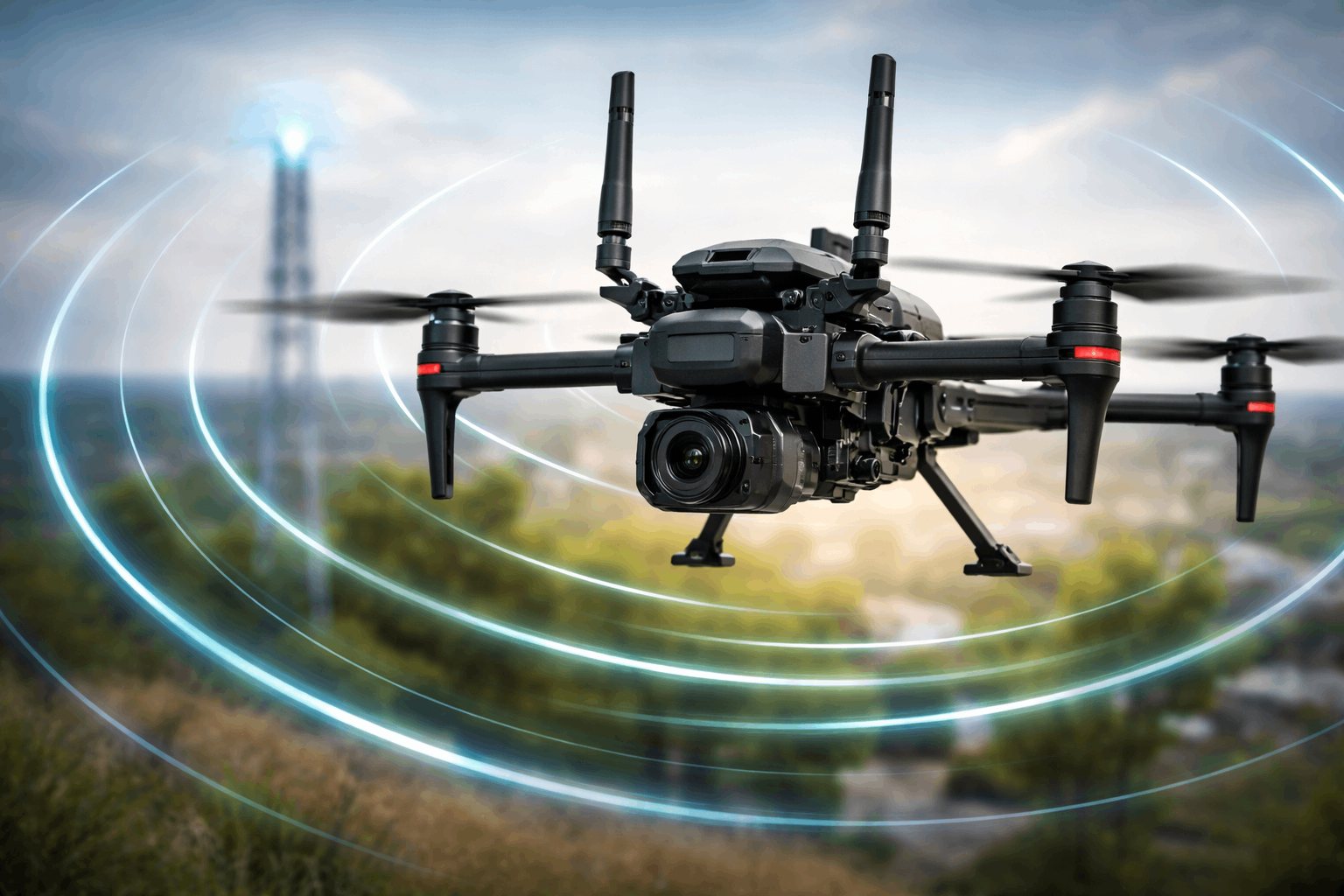
In the rapidly evolving world of unmanned aerial vehicles (UAVs), or drones, the quality of live video transmission is critical for both recreational pilots and professional operators. One of the most important factors affecting this experience is drone video transmitter latency. Latency, in simple terms, is the delay between the moment a camera captures an image and the moment it is displayed on your monitor or goggles. Understanding this delay is essential for tasks ranging from aerial photography to industrial inspections, FPV racing, and search and rescue operations.
In this article, we will explore everything you need to know about drone video transmitter latency, the factors that influence it, and practical tips to minimize delay for a smoother flying experience.
What Is Drone Video Transmitter Latency?
A drone video transmitter latency refers to the time lag between the camera capturing video on the drone and the pilot seeing it on a display device. This delay is usually measured in milliseconds (ms). Even a delay of 100 ms can be noticeable during fast maneuvers, and in competitive FPV drone racing, every millisecond counts.
Latency can affect several aspects of drone operation:
-
Flight control precision: Higher latency can cause delayed responses to pilot input, making tight maneuvers more difficult.
-
Camera work accuracy: In aerial photography or cinematography, latency may lead to mistimed shots or missed framing opportunities.
-
Safety: In applications like inspection of power lines or industrial sites, high latency increases the risk of collisions.
For casual hobbyists, a latency of 200–300 ms may be acceptable. However, professional pilots and FPV enthusiasts often prefer low latency drone transmitters with delays under 50 ms.
Factors Affecting Drone Video Transmitter Latency
Understanding why latency occurs is crucial for mitigating it. The following factors contribute to the delay in video transmission:
1. Transmission Method: Wireless vs. Wired
Most consumer and professional drones use a wireless drone video transmitter, which relies on radio frequency (RF) signals. Wireless transmission inherently introduces more latency than a wired system due to signal encoding, modulation, and error correction processes.
For example, a wired HD drone video transmitter connected via HDMI or SDI can achieve latency as low as 1–10 ms, but is limited in mobility. Conversely, wireless systems prioritize freedom of movement but often trade off minimal latency for convenience.
2. Video Resolution and Compression
Higher-resolution video requires more data to be transmitted. An HD drone video transmitter sending 1080p or 4K footage must compress the video to fit within the bandwidth of the RF link. Compression algorithms, while efficient, introduce processing delays.
Low-resolution or lightly compressed signals transmit faster, reducing drone transmitter signal delay, but may sacrifice image quality. Finding the right balance is essential depending on your use case.
3. Transmission Frequency and Bandwidth
Drone video transmitters typically operate on 2.4 GHz, 5.8 GHz, or even 1.3 GHz bands. Higher frequencies allow higher data rates but are more susceptible to interference and obstacles, which can cause retransmission and increase latency. Lower frequencies penetrate obstacles better but support less bandwidth.
Selecting a transmitter with sufficient bandwidth for your video resolution helps minimize delay. Some advanced long-range drone video transmitters also use digital signal processing to optimize latency across distances.
4. Encoding and Decoding Hardware
The latency is also influenced by the drone’s camera and the receiving device. High-end drones use hardware-accelerated encoding (such as H.264 or H.265) to compress video in real-time. However, if the receiving monitor or goggles also require decoding, the total latency can accumulate.
Using modern displays and goggles designed for FPV use helps reduce the end-to-end latency significantly.
5. Environmental Factors
Interference from other RF sources, obstacles like buildings or trees, and even weather conditions can affect signal strength. A weak signal may trigger retransmissions or error correction, causing additional delay in the video feed.
Ensuring a clear line of sight and minimal interference is key for maintaining low latency in practical flying environments.
Measuring Drone Video Transmitter Latency
Pilots and technicians often need to measure latency to ensure their system meets performance requirements. Common methods include:
-
High-speed camera method: Capture the drone display and the real-world movement simultaneously, then count frames to calculate delay.
-
Oscilloscope method: Connect the video transmitter and receiver to an oscilloscope to measure the signal delay electronically.
-
FPV telemetry tools: Some advanced FPV systems include built-in latency measurement, providing real-time feedback to the pilot.
By knowing the latency, you can adjust your flying style or choose a transmitter optimized for your application.
Minimizing Drone Video Transmitter Latency
There are several practical strategies to reduce latency and improve your flying experience:
1. Choose a Low Latency Drone Transmitter
When selecting a system, prioritize transmitters advertised as low latency drone transmitters. These often use optimized encoding methods, higher-quality RF components, and modern modulation techniques to reduce signal delay.
2. Optimize Video Settings
Reducing the resolution, frame rate, or compression level can lower the drone transmitter signal delay. For FPV racing, pilots often use 720p video with minimal compression for faster response times.
3. Use Modern Receivers and Displays
Ensure your monitor or FPV goggles support fast decoding. Older displays can add tens of milliseconds to the total latency, negating the benefits of a low-latency transmitter.
4. Maintain Clear Signal Paths
Flying with minimal obstacles and avoiding areas with heavy RF interference reduces retransmissions and keeps latency low. Using directional antennas or diversity receivers can further improve signal reliability.
5. Keep Firmware Up to Date
Drone manufacturers regularly release firmware updates for transmitters and receivers. These updates can improve encoding efficiency and RF performance, directly reducing video transmission delay.
Applications Where Low Latency Matters
Latency is not just a technical specification—it directly impacts how drones are used:
-
FPV Racing: Pilots require ultra-low latency (often under 30 ms) for split-second decisions during high-speed maneuvers.
-
Cinematography: Directors and camera operators need minimal delay to coordinate live aerial shots precisely.
-
Industrial Inspection: When inspecting structures like wind turbines, bridges, or pipelines, low latency ensures safe and accurate maneuvering.
-
Search and Rescue: Time-sensitive operations demand real-time video feedback for quick decisions.
In all these cases, choosing a high-quality HD drone video transmitter with low latency is critical.
Future Trends in Drone Video Transmission
The drone industry is rapidly evolving, and manufacturers are continuously improving transmitter technology:
-
Digital FPV Systems: Digital transmitters are replacing analog systems, offering clearer images with manageable latency.
-
Higher Bandwidth RF Technologies: Newer 5.8 GHz and 60 GHz systems support faster data rates, enabling higher resolutions with minimal delay.
-
Edge Computing: Onboard processing reduces the need for heavy compression, cutting down signal delay.
-
AI-Based Signal Optimization: Smart error correction and adaptive transmission methods minimize retransmissions, further reducing latency.
These innovations promise an exciting future for drone pilots, where real-time video transmission can become faster, clearer, and more reliable.
Conclusion
Understanding drone video transmitter latency is crucial for anyone serious about UAV operations. Whether you are a hobbyist, a professional cinematographer, or an industrial drone operator, latency affects control, safety, and video quality. By choosing a low latency drone transmitter, optimizing settings, and maintaining a clear signal path, you can significantly improve your flying experience.
As drone technology advances, we can expect latency to decrease further, even for high-definition, long-range video transmission. Staying informed and selecting the right equipment ensures that you are always ahead in both performance and safety.
www.suntor.com
suntor
About Author