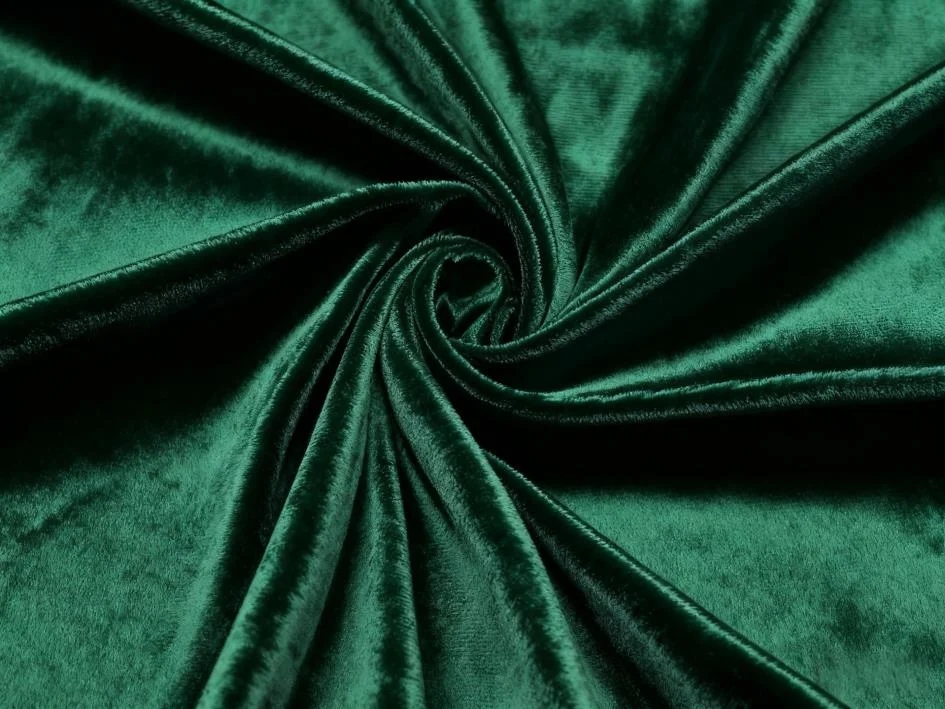
Gift packaging is more than a shell. For brands targeting premium customer experiences, the gift box becomes part of the gift itself. The material used determines not only aesthetics but emotional impact, sustainability, and long-term brand perception. Among the variety of textile and paper options available today, Korean velvet has gained increasing attention for luxury packaging, especially in jewelry, cosmetics, and seasonal promotional gifts.
In recent years, velvet-laminated gift boxes have become a popular alternative to traditional coated paper or PU leather. What makes this specific fabric stand out? This article explores why Korean velvet is increasingly used in high-end gift box manufacturing, and how sourcing the right supplier enables scalable, sustainable packaging solutions.
Understanding Korean Velvet
Korean velvet is a silk-like flocked fabric known for its smooth, dense surface and consistent color. Compared with common velvets or short-pile flocking fabrics, Korean velvet features:
-
Higher fiber density, creating a uniform, premium surface
-
Better abrasion resistance
-
Stable coloring performance after dyeing
-
Strong adhesion after lamination
-
Smooth texture with matte elegance, rather than glossy shine
Its tactile softness conveys refinement and comfort. A gift box covered in Korean velvet feels warmer and more valuable than coated paper or synthetic leather alternatives. This emotional perception is one reason luxury watch, jewelry, and cosmetic brands increasingly specify velvet-flocked packaging.
Learn more about Korean velvet here:
<a href="https://www.blxflocking.com/korean-velvet.html">Korean velvet</a>
Why Luxury Brands Choose Velvet
Premium gift packaging must satisfy several requirements beyond visual appeal. It needs durability, consistency under production pressure, compatibility with printing and lamination adhesives, and minimal material deformation during die-cutting. Korean velvet meets those industrial demands reliably.
1. Enhanced consumer experience
Touch is an integral sensory component of packaging. Consumers evaluate quality instinctively when they hold a box. Korean velvet’s micro-pile feels soft yet firm, reflecting craftsmanship and attention to detail. The texture reduces the perception of mass-produced packaging because it resembles interior décor textiles rather than typical packaging substrates.
2. Long-lasting appearance
Velvet retains color saturation and does not fade easily under display lighting or during transportation. Gift boxes, especially those sold through boutiques or online premium packaging stores, must look good over long periods. Korean velvet holds shape, resists gapping at corners, and avoids the frayed appearance that some woven fabrics present.
3. Compatibility with rigid box manufacturing
Rigid box manufacturers require stable surface fabrics that laminate without bubbling or stretching. Korean velvet has excellent dimensional stability. It adheres well with water-based or solvent adhesives, performs predictably in die-cutting, and allows consistent automated wrapping. This makes high-volume production more efficient.
4. Versatile for branding decoration
Pre-flocking, hot stamping, debossing, ribbon or hardware installation, and ribbon pull tabs all integrate well with velvet. Metallic hot stamping especially stands out on velvet surfaces, creating an embossed contrast that is highly visible even on dark colors.
5. Sustainability and recyclability potential
Today’s global brands demand traceability and verified sustainable sourcing. Korean velvet does not inherently guarantee sustainability, but manufacturers can select velvet derived from responsible, traceable sources aligned with international recycled material certifications. This helps brands support sustainability goals while maintaining aesthetics.
Sustainable velvet production through responsible suppliers
Huizhou Baolongxing Flocking Co., Ltd. helps bridge this need for sustainability and production scalability. The company is a professional manufacturer of recyclable and sustainable materials certified under ISCC and GRS standards. These certifications ensure traceability for recycled content within the supply chain, offering confidence to downstream manufacturers.
Baolongxing is equipped with:
-
dyeing and finishing equipment
-
advanced flocking production lines
-
post-processing equipment
-
adhesive lamination lines
-
slitting and cutting machines
This enables one-stop production services capable of meeting export and domestic demand. The company also supports import-export and processing operations through ports in mainland China, Hong Kong, and Vietnam. This geographic flexibility helps global buyers source and distribute velvet materials or velvet-laminated products more efficiently.
These manufacturing capabilities matter because Korean velvet requires consistent flocking density, stable adhesive bonding, and strict color management to meet premium packaging requirements. A supplier with full-process control can maintain quality at scale.
Processing Korean velvet into premium gift boxes
For packaging buyers and gift box converters, Korean velvet is attractive because it integrates smoothly into existing rigid box workflows.
Key production steps include:
-
Velvet surface lamination
Velvet fabric is laminated to greyboard or rigid paperboard using adhesive coating rollers or hot-melt systems. Consistent pressure ensures smooth bonding. -
Die-cutting and creasing
Laminated board is cut into flat box shapes. Korean velvet withstands this mechanical stress without tearing due to its stable backing. -
Box wrapping
Manual or automated wrapping machines fold edges tightly around corners. Velvet fibers align along edges, producing seamless results. -
Decoration and hardware installation
Inlay trays, magnetic closures, ribbons, EVA inserts, or hot stamping are installed after box assembly.
Because Korean velvet performs predictably during each step, it helps manufacturers maintain lower defect rates and avoid rework.
Application examples
Brands and packaging suppliers commonly apply Korean velvet to:
-
jewelry gift boxes
-
watch and accessory packaging
-
cosmetic promotion sets
-
collectible seasonal gift boxes
-
fragrance display boxes
-
crafts and commemorative packaging
When paired with foam or plastic inserts, velvet-lined interiors present products with elevated aesthetics. For high-value retail items, packaging must convey significance. Korean velvet enhances emotional connection and perceived quality without relying on synthetic glitter or laminates.
Comparing Korean velvet to other packaging materials
Below is a practical comparison many packaging buyers weigh:
| Material | Benefits | Limitations |
|---|---|---|
| Coated paperboard | Affordable, printable | Low perception of luxury |
| PU synthetic leather | Durable, smooth | Less eco-friendly, industrial feel |
| Common velvet fabric | Soft, appealing | Less color/texture consistency |
| Korean velvet | Uniform texture, stable lamination, luxury appearance | Requires reliable supplier for best consistency |
Korean velvet delivers a compelling balance between luxury texture, production stability, sustainability potential, and material versatility.
www.blxflocking.com
Huizhou Baolongxing Flocking Co., Ltd.
About Author