As global energy systems continue shifting toward renewable sources, photovoltaic (PV) power has become a core pillar of modern distributed and industrial energy infrastructure. However, the real value of solar power is no longer determined only by panel efficiency—it increasingly depends on how intelligently energy is managed, stored, and dispatched.
This is where PV energy management systems (EMS) play a central role. These systems coordinate solar generation, battery storage, and grid interaction to ensure energy is used efficiently, safely, and economically.
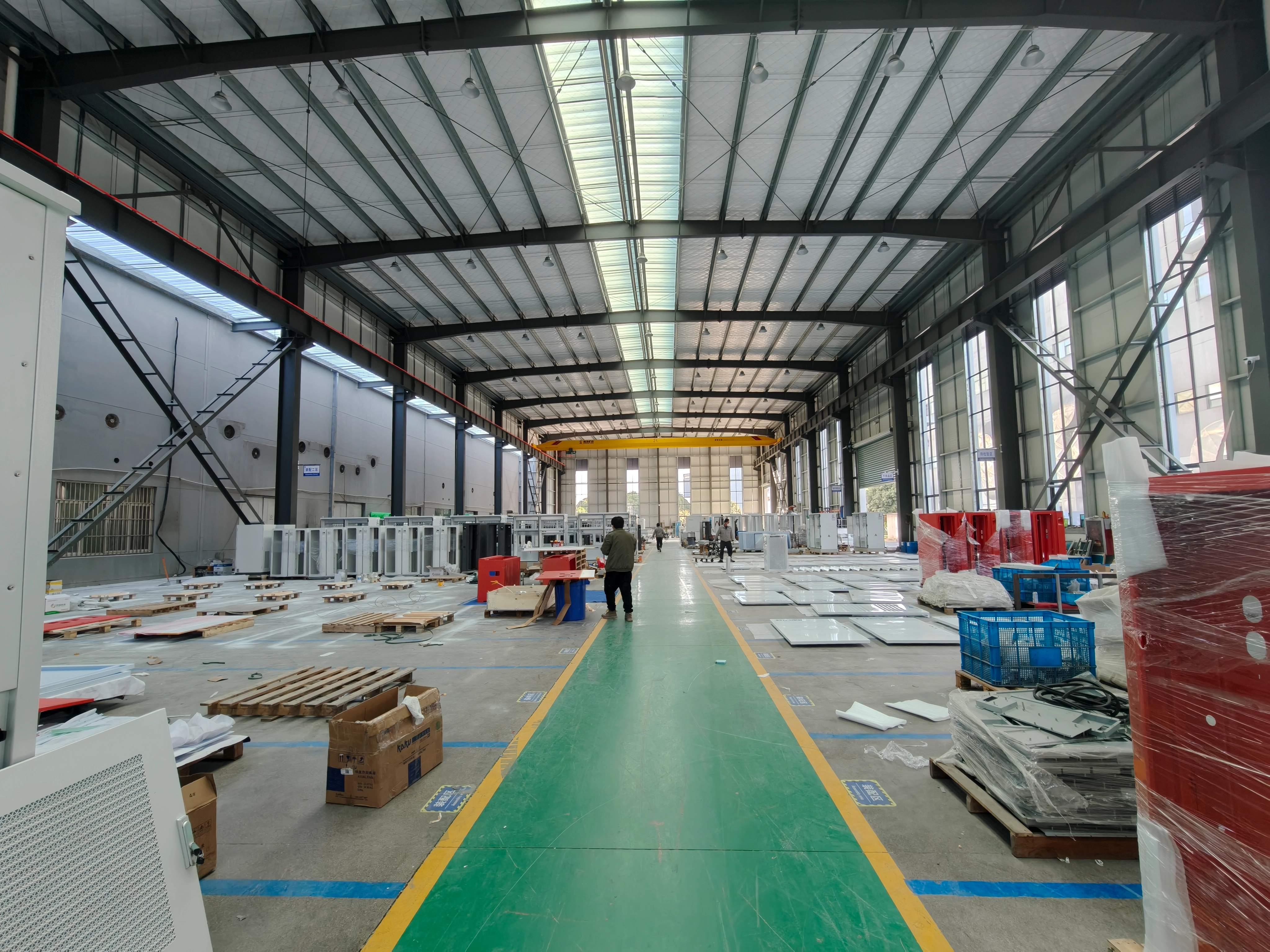
Fong Power Technology Co., Ltd. specializes in advanced energy storage and integrated energy solutions. The company provides standardized air-cooled and liquid-cooled storage systems ranging from 120kWh to 400kWh, designed for industrial, commercial, charging station, and grid-side applications. Each system undergoes rigorous validation under harsh environmental conditions such as high temperature, heavy rainfall, dust exposure, and electromagnetic interference, ensuring stable long-term operation.
1. Why PV Energy Management Systems Matter
A PV EMS acts as the “brain” of a solar-plus-storage system. It collects data from generation units, storage batteries, and loads, then makes optimized decisions based on real-time conditions.
Key functional value includes:
-
Improved solar self-consumption
Prioritizes local usage of PV-generated electricity before relying on grid power, reducing operational electricity costs. -
Grid coordination and control
Enables interaction with utility grids or cloud platforms for demand response, peak shaving, and anti-backflow protection. -
Battery asset protection
Prevents overcharging, deep discharge, and abnormal operating conditions, significantly extending battery lifecycle. -
Smarter energy dispatching
Uses real-time analytics and forecasting to optimize load distribution and energy scheduling.
2. System Architecture and Core Modules
A complete PV EMS combines computing hardware, communication infrastructure, and intelligent control logic—not just software alone.
2.1 High-Performance Computing Core
Fong Power EMS platforms are built on a high-efficiency processing architecture featuring:
-
Quad-core 64-bit ARM Cortex-A55 processor
-
1.8GHz operating frequency
-
1TOPS computing performance
-
SSD expansion support for data storage
This enables fast processing of large-scale real-time energy data, supporting forecasting, monitoring, and decision-making functions.
2.2 Communication and Interface System
Reliable communication is essential for coordinating distributed energy assets. Typical EMS hardware interfaces include:
-
6× AI analog inputs
-
8× DI (digital input) and 8× DO (digital output) channels
-
RS232, 4× RS485, and 2× CAN2.0 interfaces
-
Dual Ethernet ports
-
USB 2.0 / 3.0 support and HDMI expansion
These interfaces allow seamless integration between inverters, battery systems, sensors, and external management platforms.
2.3 Battery Cluster Management System
At the storage level, the ESSBCMU (Energy Storage System Battery Cluster Management Unit) ensures safety and performance stability.
Its core functions include:
-
Monitoring voltage, current, and insulation resistance of battery clusters
-
Collecting cell-level temperature and voltage data
-
Estimating SOC (state of charge) and SOH (state of health)
-
Performing active balancing and fault diagnostics
-
Executing local protection and contactor control during abnormal events
The system uses dual-loop RJ45 daisy-chain networking along with CAN/RS-485 communication, enabling coordinated operation with ESSBMU and ESSLEMS subsystems to form a redundant and stable energy management structure.
3. Intelligent Energy Operation Strategies
Modern EMS platforms are not static monitoring tools—they actively optimize energy behavior based on operational conditions.
Common strategies include:
-
Load tracking control: Aligns energy output with real-time consumption demand
-
PV-storage coordination: Prioritizes solar energy usage and intelligently schedules battery discharge
-
Anti-backflow protection: Prevents unwanted power export to the grid
-
Multi-load distribution management: Balances energy allocation across different systems or sites
-
Peak shaving and valley filling: Reduces demand peaks and stabilizes load curves
-
Scheduled dispatch control: Executes predefined energy consumption and generation strategies
These functions collectively improve system stability and economic efficiency.
4. Remote Monitoring and Lifecycle Management
A key advantage of modern PV EMS platforms is centralized and remote operation capability.
Operators can:
-
Monitor real-time system status across multiple sites
-
Detect faults early through predictive diagnostics
-
Perform OTA (over-the-air) software upgrades
-
Reduce on-site maintenance requirements
This significantly improves operational continuity while lowering long-term maintenance costs.
5. Key Considerations When Selecting a PV EMS
When evaluating an EMS solution, several technical and operational factors should be considered:
-
Scalability: Ability to expand with additional PV arrays or storage systems
-
System compatibility: Integration with existing inverters, batteries, and third-party platforms
-
Reliability and redundancy: Fault tolerance and stable communication architecture
-
Optimization capability: Support for advanced scheduling, forecasting, and energy dispatch algorithms
-
Technical support: Availability of installation guidance, maintenance services, and long-term operational support
Working with established manufacturers such as Fong Power Technology Co., Ltd. helps ensure system stability and long-term performance reliability.
6. Real-World Performance Benefits
Deploying an advanced PV energy management system can deliver measurable operational improvements:
-
30%–40% increase in solar self-consumption efficiency
-
Extended battery lifespan due to optimized charge/discharge cycles
-
Improved energy visibility and operational decision-making
-
Better integration with grid systems and demand response programs
-
Enhanced return on investment for renewable energy assets
These benefits make EMS a critical component in modern solar-plus-storage deployments.
FAQ
Q1: What is the difference between air-cooled and liquid-cooled storage systems?
Air-cooled systems are simpler and more cost-effective, while liquid-cooled systems provide superior thermal control for high-capacity or high-density applications.
Q2: How does PV-storage coordination improve efficiency?
It prioritizes solar consumption first and intelligently manages battery usage, reducing grid dependence and improving overall system efficiency.
Q3: Can multiple sites be managed under one EMS platform?
Yes. With cloud connectivity and distributed communication architecture, multiple PV and storage systems can be centrally controlled.
Q4: How does ESSBCMU improve battery safety?
It continuously monitors electrical and thermal parameters, performs balancing, and triggers protection mechanisms when abnormalities are detected.
Q5: Does the system support remote upgrades and maintenance?
Yes. Fong Power EMS supports remote diagnostics, real-time monitoring, and OTA updates for continuous optimization.
Conclusion
A PV energy management system is a critical layer in modern renewable energy infrastructure, bridging the gap between solar generation, energy storage, and grid interaction. By combining high-performance computing, robust communication systems, intelligent battery management, and advanced control strategies, Fong Power Technology Co., Ltd. delivers integrated solutions that enhance efficiency, reliability, and long-term asset value.
In large-scale solar deployments, a well-designed EMS is not just an auxiliary tool—it is the core system that determines overall energy performance and investment return.
www.fongpower.com
Fong Power Technology Co., Ltd.
About Author