Hwarrior's Unitized Curtain Wall Systems: Engineering the Future of High-Performance Façades
As global construction moves toward taller buildings, tighter schedules, and higher sustainability requirements, the facade is no longer treated as a simple exterior skin. It has become one of the most important performance systems in a building — influencing energy efficiency, structural safety, weather resistance, indoor comfort, construction speed, and long-term asset value.
For architects, developers, and contractors, the question is becoming more direct: how can a complex facade be delivered faster, with better quality control, and with reliable performance across different climates and international standards?
This is where unitized curtain wall systems are changing the way modern building envelopes are designed, manufactured, and installed.
Unlike traditional stick-built curtain walls, which rely heavily on on-site assembly, unitized curtain wall systems are prefabricated in the factory as complete facade modules. Glass, aluminum profiles, insulation materials, gaskets, sealing systems, and connection details are assembled under controlled production conditions before being delivered to the project site. This approach reduces site uncertainty, improves consistency, and allows the facade to perform as an engineered system rather than a collection of separate components.
For high-rise buildings, landmark developments, hospitals, commercial towers, luxury residences, and mixed-use projects, this shift from site-built construction to factory-built precision is becoming increasingly important.
Why Traditional Curtain Wall Methods Face Growing Pressure
Traditional stick-built curtain wall systems have served the construction industry for decades. However, as buildings become taller and more complex, their limitations become more visible.
On-site installation is often affected by weather, labor skill differences, access limitations, and construction sequencing. Small inconsistencies in sealing, alignment, drainage, or connection details can affect the final performance of the facade. In high-altitude construction, extended site work also increases safety risks and makes quality supervision more difficult.
At the same time, modern projects are required to meet stricter expectations for air-tightness, water-tightness, wind-load resistance, thermal performance, acoustic comfort, and green building certification. These requirements leave less room for construction uncertainty.
Unitized curtain wall systems solve this problem by moving a large part of the technical complexity from the construction site into the factory. Instead of assembling the facade piece by piece on the building, complete modules are manufactured, tested, packed, and then installed on site through standardized lifting and positioning procedures.
The result is a more controlled, more efficient, and more predictable facade delivery method.
How Unitized Curtain Wall Systems Work
A unitized curtain wall system is based on modular engineering. Each facade unit is designed as an independent panel that can integrate vision glass, spandrel panels, insulation, aluminum framing, thermal break components, drainage paths, gaskets, and structural connections.
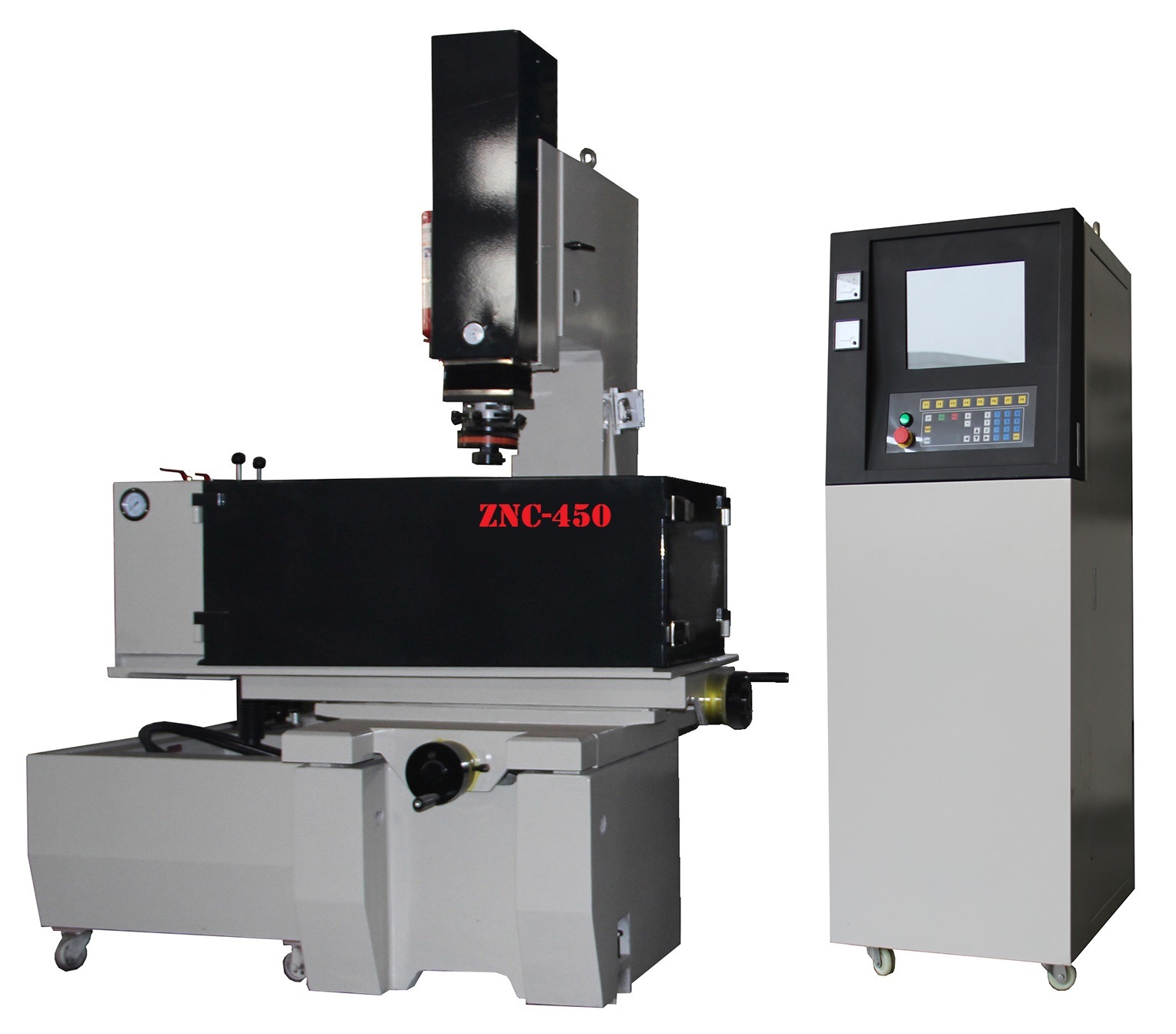
Once the design is confirmed, the units are produced in a controlled factory environment. Precision CNC machining ensures that profiles, holes, joints, and hardware positions meet strict dimensional requirements. Glass and aluminum components are assembled with carefully designed sealing and drainage details. Before shipment, units can be checked for dimensions, appearance, air-tightness, water-tightness, and overall assembly quality.
On site, the units are lifted into position and connected to the building structure. Because most of the assembly work has already been completed in the factory, the installation process becomes faster and more standardized. This is especially valuable for high-rise projects, where reducing scaffolding, shortening exterior work time, and minimizing weather exposure can significantly improve project efficiency.
In practical terms, the unitized approach helps deliver three major advantages: better quality control, faster installation, and more consistent facade performance.
Performance Logic Behind High-Quality Unitized Facades
A high-performance unitized curtain wall system must do much more than look visually clean. It must control multiple forces and environmental conditions at the same time.
First, the system must resist wind load and structural movement. High-rise buildings are exposed to strong wind pressure, building sway, thermal expansion, and sometimes seismic movement. The facade system must be engineered to accommodate these forces while maintaining safety, alignment, and long-term durability.
Second, it must manage water and air. Wind-driven rain is one of the most common challenges for curtain wall systems. A well-designed unitized facade uses pressure-equalized drainage principles, EPDM gasket systems, and controlled water paths to reduce the risk of water penetration. Air-tightness is equally important because uncontrolled air leakage affects energy efficiency, indoor comfort, and HVAC performance.
Third, the system must support thermal and acoustic performance. Multi-cavity thermal break aluminum profiles, Low-E insulated glazing, and optimized frame design help reduce heat transfer. With the right glass configuration, the system can also improve sound insulation, creating quieter and more comfortable indoor spaces in dense urban environments.
This is why unitized curtain wall systems should not be viewed as only a construction method. They are integrated facade engineering systems.
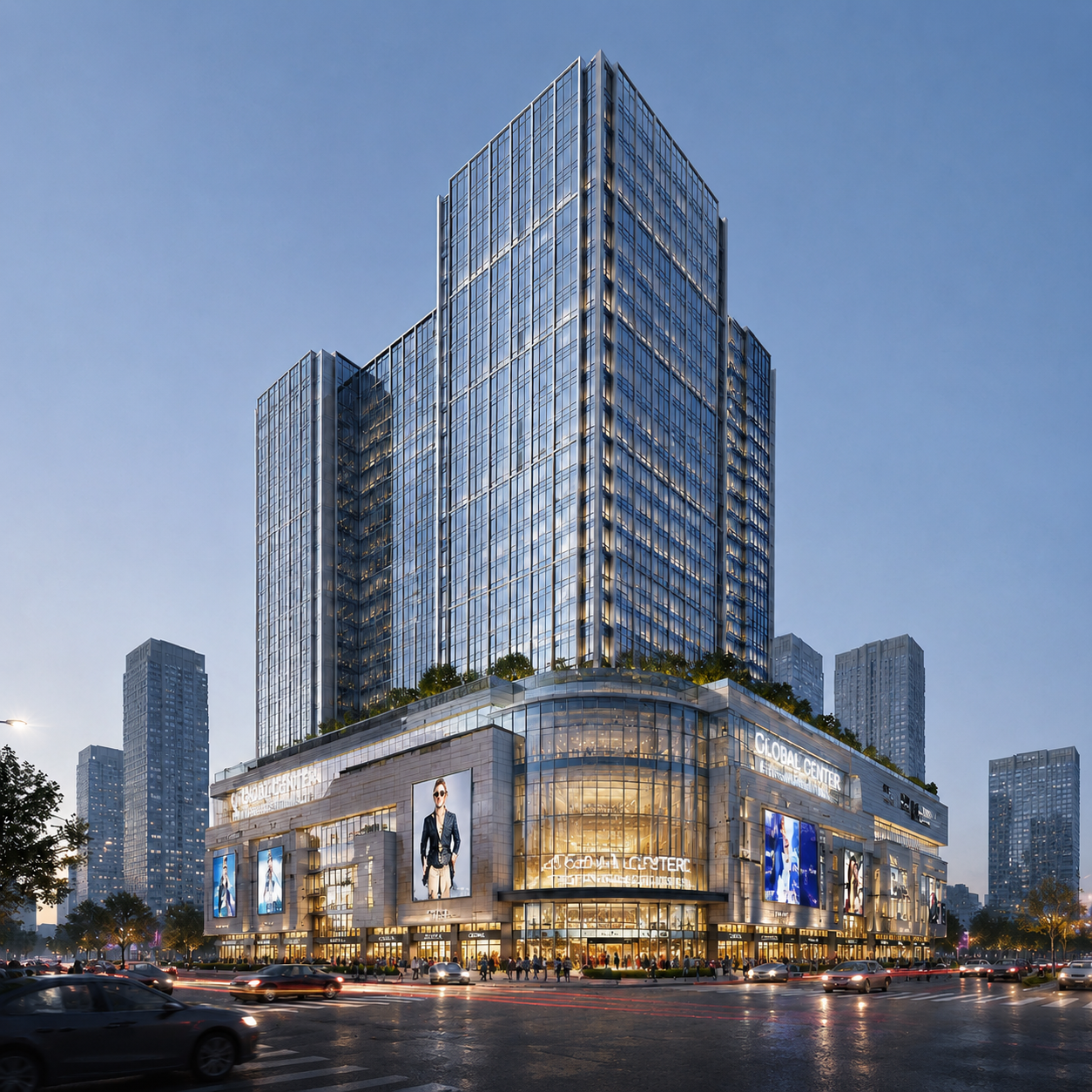
Global Standards and Regional Adaptation
Facade performance is measured differently across regions, but the core requirements remain similar: safety, durability, energy efficiency, and weather resistance.
In European markets, projects commonly refer to EN-related standards for air permeability, water-tightness, wind resistance, thermal performance, and product compliance. In Australia, AS 2047 and AS 4284 are important references for window and curtain wall performance. In North America, ASTM and NFRC-related methods are widely used for air leakage, structural performance, and thermal evaluation. In the Middle East, facade systems must often address high solar radiation, coastal wind pressure, dust, temperature differences, and strong water-tightness requirements. In Singapore and Southeast Asia, tropical weather, humidity, wind-driven rain, and green building requirements are key considerations.
For international projects, this means facade systems cannot simply be copied from one market to another. They must be adapted to local climate conditions, building codes, testing requirements, and project-specific structural demands.
Hwarrior Curtain Wall Technology (Guangdong) Co., Ltd. supports this global application approach through facade systems developed for multiple international standard frameworks, including EN, UL, AS, SASO, SS, GB, BS, and other regional requirements. This allows architects, consultants, and contractors to select solutions based on both design intent and measurable performance criteria.
Hwarrior’s Engineering Approach
Hwarrior’s unitized curtain wall system is built around the idea that facade quality begins before production. It starts with engineering.
For each project, structural calculations and technical reviews are required to evaluate wind load, glass configuration, frame strength, deflection control, thermal movement, installation conditions, and interface details with the main structure. This engineering process helps ensure that the facade is not only visually aligned with the architectural design, but also technically suitable for the project environment.
After engineering confirmation, Hwarrior uses intelligent manufacturing and precision production methods to control the quality of each unit. Advanced machining, automated assembly support, real-time quality monitoring, and digital traceability help reduce human error and improve consistency across large project volumes.
This factory-controlled process is especially important for complex facade geometries, large-scale curtain wall areas, high-rise towers, and projects requiring repeated unit performance. When hundreds or thousands of facade modules are installed on one building, consistency becomes one of the most important indicators of real project quality.
Faster Installation with Lower Site Risk
One of the strongest advantages of unitized curtain wall systems is construction efficiency.
Because the modules are prefabricated and pre-assembled before delivery, on-site work can be significantly reduced. Installation teams can follow standardized lifting, alignment, and fixing procedures. This helps reduce dependence on large amounts of exterior scaffolding and lowers exposure to weather-related delays.
For contractors, this means better schedule control. For developers, it means faster enclosure of the building and earlier progress for interior works. For project owners, it means reduced uncertainty and a more predictable delivery process.
The unitized method also improves safety. High-altitude facade construction always carries risk, and reducing the amount of manual assembly at height is an important step toward safer project execution.
Digitalization and the Future of Facade Delivery
The facade industry is entering a new stage of digital transformation. BIM, digital twin technology, production traceability, and lifecycle data management are becoming increasingly important in large-scale building projects.
In the future, facade systems will need to integrate more functions, such as dynamic shading, photovoltaic components, smart glass, improved acoustic systems, and advanced insulation materials. As these systems become more complex, factory prefabrication will become even more valuable because it allows complicated components to be assembled and tested in a controlled environment.
This trend also supports sustainable construction. Modular facade systems can reduce site waste, improve material planning, and create better opportunities for future maintenance, replacement, and potential disassembly. As the construction industry moves toward lifecycle thinking and circular economy principles, unitized systems will likely play an even larger role in high-performance building envelopes.
Hwarrior’s Role in High-Performance Facade Development
Hwarrior is positioned not only as a facade product supplier, but also as an integrated engineering and manufacturing partner. With more than two decades of experience in high-performance facade systems, security glazing, and international project delivery, the company combines technical development, intelligent production, testing support, and project service into one coordinated system.
Its experience includes projects across Europe, America, Australia, the Middle East, Southeast Asia, and Africa. Representative applications include commercial developments, residential towers, mixed-use buildings, and institutional projects requiring reliable performance under different climate and regulatory conditions.
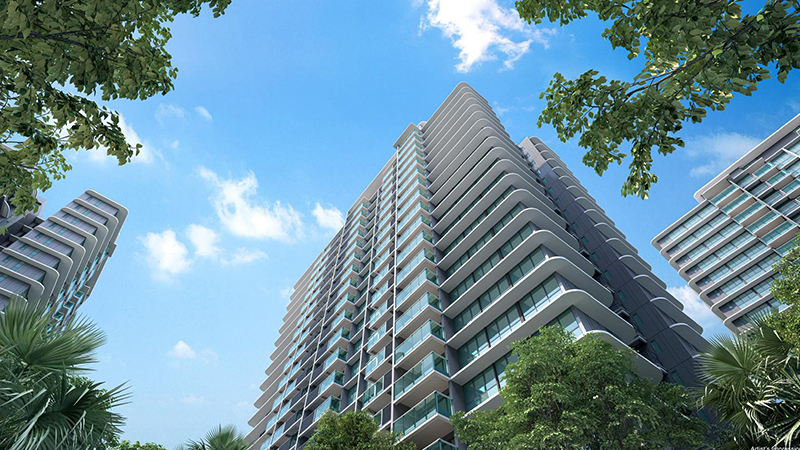
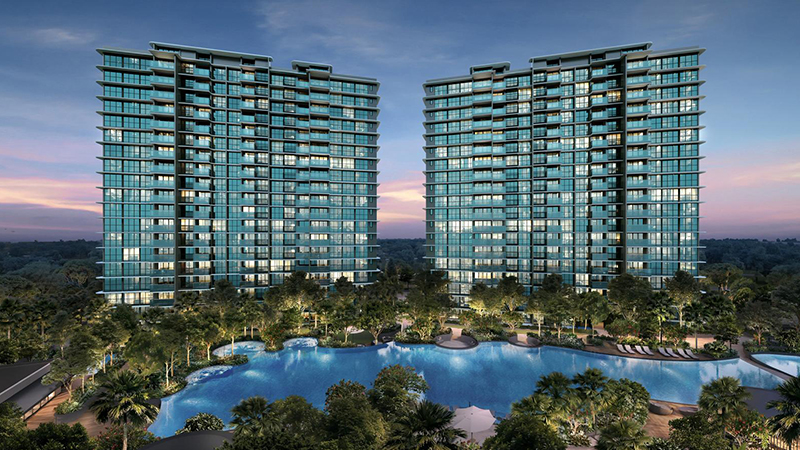
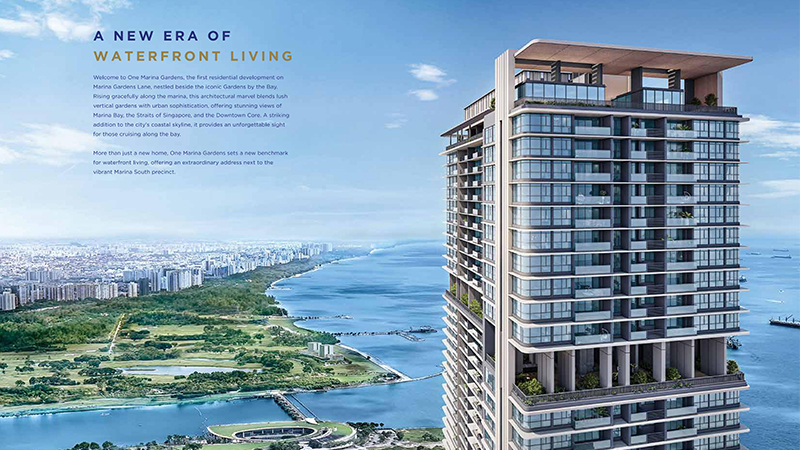
Projects such as CR101 Mixed-Use Development in Singapore, One Marina Gardens, and North Gaia Residential Project demonstrate how unitized curtain wall systems can support different architectural goals, from tropical weather resistance and construction efficiency to daylight performance, Low-E glazing, concealed-frame design, and energy-conscious facade solutions.
Hwarrior’s certification portfolio, including CE, TÜV, AS 4284, AS 2047, UL, SS 332, SASO, UAE National Standards, and other performance references, further supports its ability to serve projects with demanding international requirements.
Recommendations for Project Stakeholders
For developers, unitized curtain wall systems offer a practical way to reduce construction risk, improve delivery speed, and support long-term building value. A well-engineered facade can contribute to lower maintenance costs, improved energy performance, and stronger market positioning.
For architects, unitized systems provide design flexibility without sacrificing technical performance. Vision glass, spandrel panels, curved facade areas, concealed-frame effects, and customized configurations can all be developed within a modular engineering framework.
For contractors, the key advantage is controllability. By working with a manufacturer that provides engineering support, factory testing, standardized production, and installation guidance, contractors can reduce site uncertainty and improve execution quality.
For consultants and industry stakeholders, transparent performance data and tested system solutions are essential. As international standards continue to evolve, facade design will increasingly depend on evidence-based specification, reliable test documentation, and lifecycle performance thinking.
Conclusion
The movement from traditional stick-built curtain walls to unitized curtain wall systems is more than a change in installation method. It represents a broader shift toward industrialized construction, precision manufacturing, measurable performance, and integrated facade engineering.
For modern buildings, the facade must deliver aesthetics, safety, thermal efficiency, weather resistance, acoustic comfort, and construction efficiency at the same time. Unitized curtain wall systems provide a reliable path to achieving these goals.
Hwarrior’s Premium Unitized Curtain Wall System reflects this direction by combining factory-controlled precision, project-specific engineering, international standard compliance, and global delivery experience. As building performance requirements continue to rise, integrated facade solutions like these will become increasingly important for the future of high-performance building envelopes.
https://www.hwarrior.com/
HWARRIOR PTE LTD (SINGAPORE)
About Author