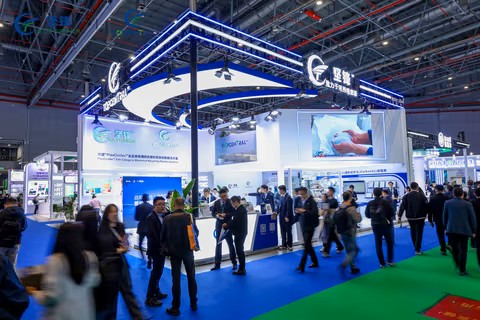
The new energy vehicle (NEV) industry stands at a critical crossroads where sustainability ambitions meet material science innovation. As automakers worldwide commit to carbon neutrality targets, the integration of high-performance recycled plastics has emerged as a game-changing strategy that addresses both environmental imperatives and technical demands.
The Material Challenge in New Energy Vehicles
New energy vehicles require advanced materials that balance weight reduction, durability, and thermal stability while minimizing environmental impact. Traditional virgin plastics deliver performance but carry significant carbon footprints—a contradiction that undermines the sustainability promise of electric mobility. The automotive sector now faces increasing pressure from regulations like the EU's End-of-Life Vehicles Directive and consumer expectations for genuinely circular products.
This challenge creates urgent demand for Post-Consumer Recycled (PCR) engineering plastics that can match virgin material specifications while drastically reducing carbon emissions. The breakthrough lies not merely in recycling plastics, but in transforming waste streams into certified, traceable, high-performance materials suitable for safety-critical automotive applications.
Engineering-Grade PCR: Beyond Conventional Recycling
The latest generation of recycled plastics for NEVs represents a fundamental departure from traditional recycling approaches. Ningbo Topcentral New Material Co., Ltd. has pioneered PCR engineering plastics through its TCycleEP® product line that achieves up to 91.8% carbon emission reduction compared to virgin resins—without compromising mechanical properties.
Their Topcircle® rPC (Recycled Polycarbonate) series exemplifies this evolution. The PC-WB01 variant delivers high impact resistance for automotive lamps and lenses, while the PC-T103A achieves "zero" carbon certification with UL 2809 validation—meeting the stringent requirements for electronic component housings in NEV battery management systems and instrument panels.
For structural applications, Nairong® rPA6 and rPA66 (Recycled Nylon) materials demonstrate load-bearing capacity supporting up to 50kg for brake pedals using 30% PCR content. The rPA66-A22N variant carries zero-carbon certification specifically for automotive and electrical components, proving that recycled materials can meet safety standards for critical vehicle systems.
Digital Traceability: The Transparency Imperative
A defining characteristic of next-generation recycled plastics is comprehensive supply chain transparency. The automotive industry increasingly requires verifiable proof of material origin, processing history, and carbon footprint—capabilities that traditional recycled materials cannot provide.
Topcentral® addresses this through proprietary TcBChain® blockchain technology and iDNAXx®-powered CarbonCode systems embedded in their Back2Circle® TraceBytes™ platform. Each material batch receives a unique digital product passport enabling cradle-to-grave verification—from waste collection through manufacturing to end-of-life recovery. This traceability infrastructure supports automakers' compliance with emerging Digital Product Passport (DPP) regulations in the European Union and similar frameworks globally.
The company's dual-track carbon neutrality certification—validated by TUV Rheinland at both organizational and product levels since 2022—provides automakers with auditable carbon accounting that integrates directly into corporate sustainability reporting.
Performance Portfolio for NEV Applications
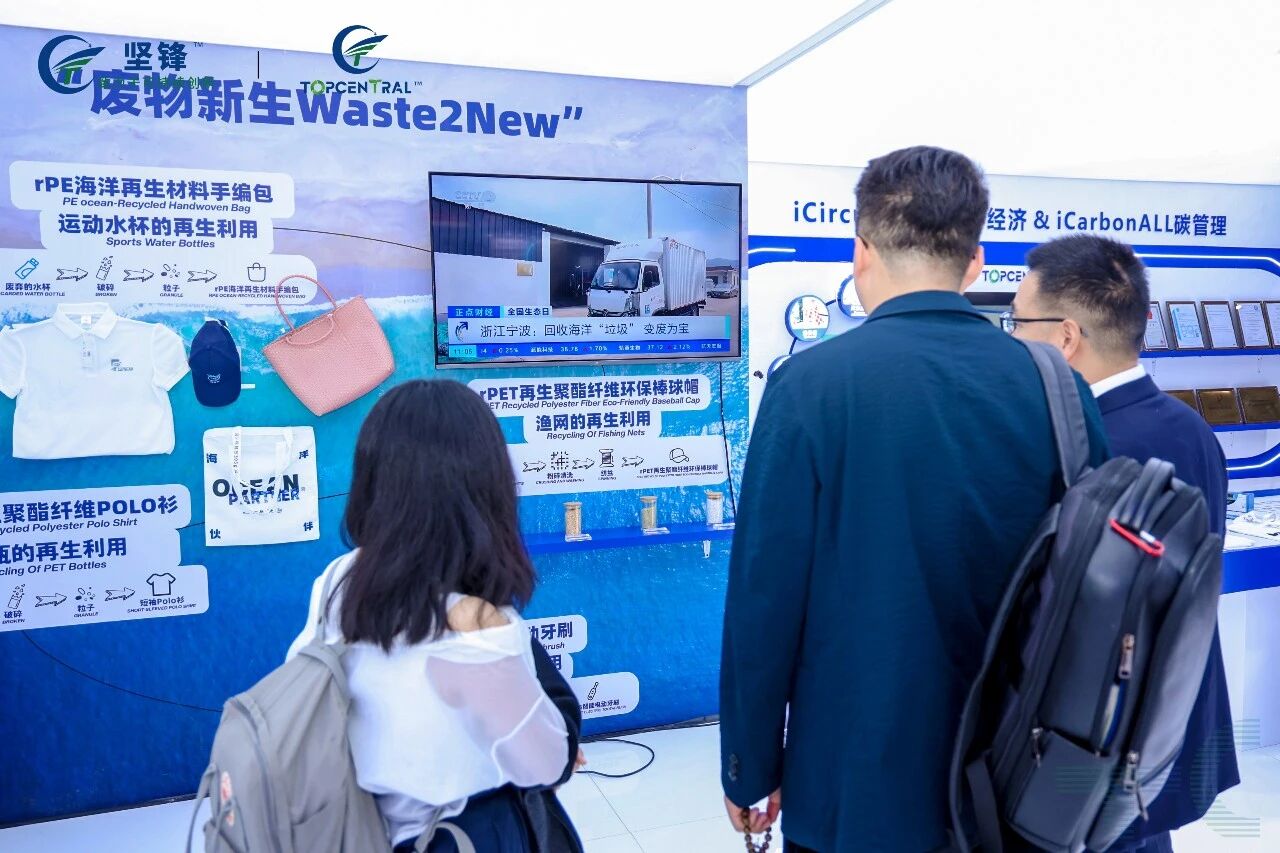
The technical specifications of modern PCR engineering plastics now address diverse NEV component requirements:
Interior and Exterior Trim: Recycled PC/ABS alloys like rPC/ABS-N145 offer excellent processing characteristics for dashboard components, door panels, and decorative trim while maintaining surface finish quality comparable to virgin materials.
Underbody Protection: Nairong® rPA6-S22N, sourced from recycled fishing nets, delivers high toughness for structural brackets and protective shields exposed to road debris and temperature extremes.
Charging Infrastructure: The Pubit® rPBT-N120 series provides halogen-free, flame-retardant properties essential for charging gun housings and connector components, meeting electrical safety standards with controlled foreign body contamination.
Lightweighting Solutions: PloyPoy® rPP variants achieve the high-purity natural color grades necessary for visible components while reducing component weight—directly contributing to extended vehicle range.
Circular Economy Models in Automotive
The most compelling trend involves closed-loop material flows where end-of-life vehicle plastics return as feedstock for new NEV components—the "car-to-car" circular model. This approach requires sophisticated sorting, decontamination, and reprocessing technologies that preserve polymer chain integrity across multiple lifecycles.
Topcentral® operates as a National "Specialized, Refined, Distinctive, and Innovative Little Giant" Enterprise, leveraging 82 granted patents (including 44 invention patents) to overcome technical barriers in physical recycling (PlasCircles™) and chemical recycling (ChemCircle™) pathways. Their collaboration with the Chinese Academy of Sciences, Tianjin University, and Zhejiang University accelerates breakthroughs in polymer degradation prevention and contamination removal.
The company's One2Solution service model integrates material supply with carbon footprint accounting, functional customization, and digital certification—enabling automakers to implement circular strategies without developing in-house recycling expertise.
Market Validation and Industry Recognition
The viability of PCR engineering plastics in NEVs is confirmed through expanding industry adoption. Topcentral® holds IATF 16949 automotive quality management certification and serves as a Sony Green Partner, demonstrating acceptance by global electronics and automotive supply chains.
Recognition as a National "Zero-Waste City" Best Practice Case in 2023 and receipt of the 2024 Innovation Leadership Award reflect the scalability of their circular model. The company's participation in China's marine circular economy showcase at the 2025 Osaka Expo in Japan signals international validation of advanced PCR technologies.
With 48% of staff dedicated to R&D and a postdoctoral research station, the organization maintains the innovation pipeline necessary to meet evolving NEV material requirements, including thermal management for high-voltage battery systems and electromagnetic shielding for power electronics.
Strategic Implications for Automakers
The integration of certified, traceable PCR engineering plastics enables automakers to achieve multiple strategic objectives simultaneously: reducing Scope 3 carbon emissions, meeting Extended Producer Responsibility obligations, differentiating brand positioning on sustainability credentials, and potentially lowering material costs relative to virgin resins facing carbon taxation.
The transition requires collaboration across value chains—from waste collectors through material processors to component manufacturers. Platforms like Topcentral's ecosystem brands including SeaHipot® for ocean plastic recovery and Lynddoa® for zero-carbon product commercialization demonstrate the infrastructure emerging to support this transition.
As regulatory frameworks tighten and consumer awareness intensifies, the question for NEV manufacturers is no longer whether to adopt recycled plastics, but how quickly they can validate and scale these materials across vehicle platforms. The technical foundation now exists—the competitive advantage will belong to automakers who master circular material flows first.
www.Topcentral.net
Ningbo Topcentral New Material Co., Ltd.
About Author